This is an account of the travels in Central Asia and India of the seventh-century Chinese scholar-monk Xuanzang. An epoch-making figure in the history of Chinese Buddhism, the Master had a strong impulse to solve theoretical uncertainties by searching for the missing, untranslated original Sanskrit texts, particularly the Yogacara-bhumi-sastra. Violating a government ban on emigration, he slipped out of the empire without official permission. During his sojourn of sixteen years in India, he studied the said sastra and other texts under the tutelage of the Venerable Silabhadra. He visited...
This is an account of the travels in Central Asia and India of the seventh-century Chinese scholar-monk Xuanzang. An epoch-making figure in the his...
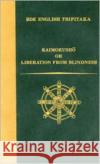
This thirteenth-century text by Nichiren extols the Lotus Sutra and critiques the other schools of Japanese Buddhism active at that time. Nichiren was arrested by the Kamakura government in 1271 and sentenced to exile on Sado Island. There he was in constant danger of assassination, and wrote the Kaimokusho to convince his remaining followers to follow his example in Buddhism.
To do this, Nichiren criticized religions other than Buddhism, and then Buddhist sutras other than the Lotus Sutra. He asked the question Am I not the practitioner of the Lotus Sutra and answered this question...
This thirteenth-century text by Nichiren extols the Lotus Sutra and critiques the other schools of Japanese Buddhism active at that time. Nichiren ...