This book traces the interplay of class, gender, and politics in progressive-era Seattle, Washington during the formative period of industrialization and the establishment of a national market economy. With the rapid westward expansion of the capitalist marketplace by the dawn of the 20th century, national political and economic pressures significantly transformed both city and region. Despite the region's vast natural resources, the West had a highly urbanized population, surpassing even that of the industrial Northeast. Westerners celebrated the region's wide-open spaces, and even though a...
This book traces the interplay of class, gender, and politics in progressive-era Seattle, Washington during the formative period of industrialization ...
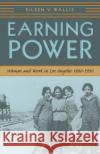
The half-century between 1880 and 1930 saw rampant growth in many American cities and an equally rapid movement of women into the work force. In Los Angeles, the city not only grew from a dusty cow town to a major American metropolis but also offered its residents myriad new opportunities and challenges. "Earning Power" examines the role that women played in this growth as they attempted to make their financial way in a rapidly changing world. Los Angeles during these years was one of the most ethnically diverse and gender-balanced American cities. Moreover, its accelerated urban growth...
The half-century between 1880 and 1930 saw rampant growth in many American cities and an equally rapid movement of women into the work force. In Los A...
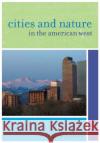
In less than a century, the American West has transformed from a predominantly rural region to one where most people live in metropolitan centers. Cities and Nature in the American West offers provocative analyses of this transformation. Each essay explores the intersection of environmental, urban, and western history, providing a deeper understanding of the com- plex processes by which the urban West has shaped and been shaped by its sustaining environment. The book also considers how the West s urban development has altered the human experience and perception of nature, from the...
In less than a century, the American West has transformed from a predominantly rural region to one where most people live in metropolitan centers. ...
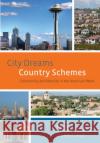
The American West, from the beginning of Euro-American settlement, has been shaped by diverse ideas about how to utilize physical space and natural environments to create cohesive, sometimes exclusive community identities. When westerners developed their towns, they constructed spaces and cultural identities that reflected alternative understandings of modern urbanity. The essays in City Dreams, Country Schemes utilize an interdisciplinary approach to explore the ways that westerners conceptualized, built, and inhabited urban, suburban, and exurban spaces in the twentieth...
The American West, from the beginning of Euro-American settlement, has been shaped by diverse ideas about how to utilize physical space and natural...
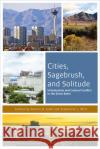
Cities, Sagebrush, and Solitude explores the transformation of the largest desert in North America, the Great Basin, into America s last urban frontier. In recent decades Las Vegas, Reno, Salt Lake City, and Boise have become the anchors for sprawling metropolitan regions. This population explosion has been fueled by the maturing of Las Vegas as the nation s entertainment capital, the rise of Reno as a magnet for multitudes of California expatriates, the development of Salt Lake City s urban corridor along the Wasatch Range, and the growth of Boise s celebrated high-tech economy and...
Cities, Sagebrush, and Solitude explores the transformation of the largest desert in North America, the Great Basin, into America s last urban ...