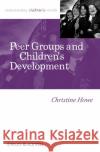
Peer Groups and Children's Development considers the experiences of school-aged children with their peer groups and its implications for their social, personal and intellectual development
Focuses on the peer group experiences of children attending school in Western societies, from five years of age through to adolescence
Considers peer groups in classrooms, friendships made within and outside of school, and the groups that children participate in for extra-curricular activities
Includes a final summary which brings together the significant implications...
Peer Groups and Children's Development considers the experiences of school-aged children with their peer groups and its implications for their ...
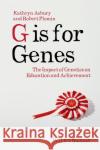
G is for Genes shows how a dialogue between geneticists and educationalists can have beneficial results for the education of all children--and can also benefit schools, teachers, and society at large.
Draws on behavioral genetic research from around the world, including the UK-based Twins' Early Development Study (TEDS), one of the largest twin studies in the world
Offers a unique viewpoint by bringing together genetics and education, disciplines with a historically difficult relationship
Shows that genetic influence is not the same as genetic...
G is for Genes shows how a dialogue between geneticists and educationalists can have beneficial results for the education of all children--a...