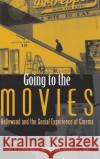
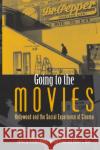
A nickelodeon screening a Charlie Chaplin silent classic, the downtown arthouse cinemas that made Antonioni and Cassavetes household names, the modern suburban megaplex and its sold-out Friday night blockbuster: how American and global audiences have viewed movies is as rich a part of cinematic history as what we've seen on the silver screen. Going to the Movies considers the implications of this social and cultural history through an analysis of the diverse historical and geographical circumstances in which audiences have viewed American cinema. Featuring a distinguished...
A nickelodeon screening a Charlie Chaplin silent classic, the downtown arthouse cinemas that made Antonioni and Cassavetes household names, the modern...
A nickelodeon screening a Charlie Chaplin silent classic, the downtown arthouse cinemas that made Antonioni and Cassavetes household names, the modern suburban megaplex and its sold-out Friday night blockbuster: how American and global audiences have viewed movies is as rich a part of cinematic history as what we've seen on the silver screen. Going to the Movies considers the implications of this social and cultural history through an analysis of the diverse historical and geographical circumstances in which audiences have viewed American cinema. Featuring a distinguished...
A nickelodeon screening a Charlie Chaplin silent classic, the downtown arthouse cinemas that made Antonioni and Cassavetes household names, the modern...
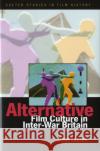
British culture between the wars has long been the subject of critical appraisal: the artistic patronage of the Sitwell siblings; the multifaceted Modernism of writers like Virginia Woolf, D. H. Lawrence, and Evelyn Waugh; and the folk collections and compositions of Ralph Vaughan Williams have all been explored as key aspects of Britain's cultural heritage. Similarly, many film studies have focused on the interwar period in France, Germany, and the Soviet Union as the birthplace of avant-garde filmmaking. Alternative Film Culture in Inter-War Britain is the first book-length...
British culture between the wars has long been the subject of critical appraisal: the artistic patronage of the Sitwell siblings; the multifaceted Mod...
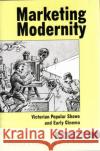
In this innovative study of early film exhibition, Joe Kember reveals a rich and diversifying landscape of popular entertainments in the mid-to-late nineteenth and early twentieth centuries. Marketing Modernity calls for a reconsideration of the relationship between early film and industrial modernity, highlighting the role of the showman during that period, and revealing how modern entertainments stitched their commercial imperatives into the everyday lives of their audiences by marketing existing, comfortable modes of performance and personality.
In this innovative study of early film exhibition, Joe Kember reveals a rich and diversifying landscape of popular entertainments in the mid-to-lat...