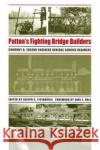
These words may seem to have been written by an advance infantry unit or a combat brigade, carrying out an assault against entrenched enemy troops. Instead, this hair-raising narrative comes from the diary of "B" Company of the 1303rd Engineer General Service Regiment, a "non-combat" unit attached to Patton's Third Army during his epic pursuit of the retreating German forces across France during August, 1944. Though the 1303rd (called "the thirteen-third" by its soldiers) was supposed to perform its duties outside the zone of armed conflict, these men found themselves acting as the...
These words may seem to have been written by an advance infantry unit or a combat brigade, carrying out an assault against entrenched enemy troops. In...
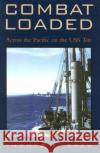
The first authoritative history of any of the more than 350 attack transports or attack cargo ships of World War II, Combat Loaded: Across the Pacific on the USS Tate contains gripping combat narratives alongside the sometimes heartwarming, sometimes tragic details of daily life on board the ships of Transport Squadron 17 during the waning days of World War II. Author Thomas E. Crew interviewed over fifty veterans of the Tate, including all her surviving officers. Crew weaves a rich tapestry of voices, combining it with extensive analysis of the Tate's daily action reports and ship's...
The first authoritative history of any of the more than 350 attack transports or attack cargo ships of World War II, Combat Loaded: Across the Pacific...
From August 1942 until February 1943, two armies faced each other amid the malarial jungles and blistering heat of Guadalcanal Island. The Imperial Japanese forces needed to protect and maintain the air base that gave them the ability to interdict enemy supply routes. The Allies were desperate to halt the advance of a foe that so far had inflicted crippling losses on the U.S. fleet at Pearl Harbor, then seized the Philippines, Wake Island, the Dutch East Indies, Guam, and other Allied territory. After months of relentless battle, the U.S. troops forced back the determined Japanese, providing...
From August 1942 until February 1943, two armies faced each other amid the malarial jungles and blistering heat of Guadalcanal Island. The Imperial Ja...
In Refiguring Spain, Marsha Kinderhas gathered a collection of new essays that explore the central role played by film, television, newspapers, and art museums in redefining Spain s national/cultural identity and its position in the world economy during the post-Franco era. By emphasizing issues of historical recuperation, gender and sexuality, and the marketing of Spain s peaceful political transformation, the contributors demonstrate that Spanish cinema and other forms of Spanish media culture created new national stereotypes and strengthened the nation s place in the global...
In Refiguring Spain, Marsha Kinderhas gathered a collection of new essays that explore the central role played by film, television, new...