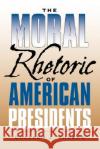
Although sometimes decried by pundits, George W. Bush's use of moral and religious rhetoric is far from unique in the American presidency. Throughout history and across party boundaries, presidents have used such appeals, with varying degrees of political success. The Moral Rhetoric of American Presidents astutely analyzes the president's role as the nation's moral spokesman. Armed with quantitative methods from political science and the qualitative case study approach prevalent in rhetorical studies, Colleen J. Shogan demonstrates that moral and religious rhetoric is not simply a...
Although sometimes decried by pundits, George W. Bush's use of moral and religious rhetoric is far from unique in the American presidency. Throughout ...
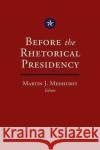
Since its identification in 1981, the rhetorical presidency has drawn both defenders and critics. Chief among those critical of the practice is political theorist Jeffrey K. Tulis, whose 1987 book, The Rhetorical Presidency, helped popularize the construct and set forth a sustained analysis of the baleful effects that have allegedly accompanied the shift from a "constitutional" presidency to a "rhetorical" one. Tulis locates this shift in the presidencies of Theodore Roosevelt and Woodrow Wilson, arguing that the rhetorical presidency is a twentieth-century phenomenon. Yet not all...
Since its identification in 1981, the rhetorical presidency has drawn both defenders and critics. Chief among those critical of the practice is politi...
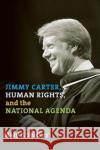
Though Jimmy Carter is widely viewed as one of the least effective modern presidents, the human rights agenda for which his administration is known remains high in the national awareness and continues to provide important justifications for presidential and congressional action a quarter-century later. The very elements of Carter's communications on human rights that engendered obstacles to the formation of a coherent and consistent policy--the term's vagueness, the difficulties of applying it, its uneasy relationship with national security interests, and the divergence between Democratic and...
Though Jimmy Carter is widely viewed as one of the least effective modern presidents, the human rights agenda for which his administration is known re...
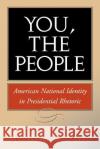
As we ask anew in these troubled times what it means to be an American, You, the People provides perspective by casting its eye over the answers given by past U.S. presidents in their addresses to the public. Who is an American, and who is not? Could any questions be more timely? And yet, as Vanessa Beasley demonstrates in this eloquent exploration of a century of presidential speeches, the questions are not new. Since the Founders first identified the nation as "we, the people," the faces and accents of U.S. citizens have changed dramatically due to immigration and other constitutive...
As we ask anew in these troubled times what it means to be an American, You, the People provides perspective by casting its eye over the answers given...
Between 1913 and 1920, the National Woman's Party (NWP) waged a campaign to write women's voting rights into the U.S. Constitution. Unlike the more moderate campaign strategies adopted by other woman suffrage organizations of the Progressive Era, the NWP remained committed to militant agitation--that is, holding political party leaders responsible for social change and doing so through nontraditional means of protest. Some of these militant strategies included heckling President Wilson, protesting silently outside the White House gates, and publicly burning his speeches in "Watch...
Between 1913 and 1920, the National Woman's Party (NWP) waged a campaign to write women's voting rights into the U.S. Constitution. Unlike the more...