Bolokoli, khifad, tahara, tahoor, qudiin, irua, bondo, kuruna, negekorsigin, and kene-kene are a few of the terms used in local African languages to denote a set of cultural practices collectively known as female circumcision. Practiced in many countries across Africa and Asia, this ritual is hotly debated. Supporters regard it as a central coming-of-age ritual that ensures chastity and promotes fertility. Human rights groups denounce the procedure as barbaric. It is estimated that between 100 million and 130 million...
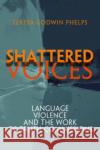
"If you want peace, you must work for justice. Teresa Phelps presents challenging and provocative ideas of justice and explains what truth commissions can and cannot do as vital parts of the justice process. Building on works of literature, philosophy, psychology, and history, as well as on the language of the truth reports themselves, she breaks new ground for understanding what we must do in our continual quest for justice."--Theodore M. Hesburgh, author of The Humane Imperative "This vivid and moving book will help shape the emerging form of truth commissions in many places around...
"If you want peace, you must work for justice. Teresa Phelps presents challenging and provocative ideas of justice and explains what truth commissions...
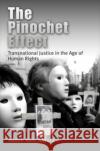
When former Chilean dictator Augusto Pinochet was arrested in London at the request of a Spanish judge, the world's attention was focused for the first time on the idea of universal jurisdiction. Universal jurisdiction stands for the principle that atrocities such as genocide, torture, and war crimes are so heinous and so universally abhorred that any state is entitled to prosecute these crimes in its national courts regardless of where they were committed or the nationality of the perpetrators or the victims. In 2001, two Rwandan nuns were convicted in a Belgian court for atrocities...
When former Chilean dictator Augusto Pinochet was arrested in London at the request of a Spanish judge, the world's attention was focused for the f...
The 1998 arrest of General Augusto Pinochet in London and subsequent extradition proceedings sent an electrifying wave through the international community. This legal precedent for bringing a former head of state to trial outside his home country signaled that neither the immunity of a former head of state nor legal amnesties at home could shield participants in the crimes of military governments. It also allowed victims of torture and crimes against humanity to hope that their tormentors might be brought to justice. In this meticulously researched volume, Naomi Roht-Arriaza examines the...
The 1998 arrest of General Augusto Pinochet in London and subsequent extradition proceedings sent an electrifying wave through the international co...
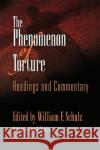
Torture is the most widespread human rights crime in the modern world, practiced in more than one hundred countries, including the United States. How could something so brutal, almost unthinkable, be so prevalent? The Phenomenon of Torture: Readings and Commentary is designed to answer that question and many others. Beginning with a sweeping view of torture in Western history, the book examines questions such as these: Can anyone be turned into a torturer? What exactly is the psychological relationship between a torturer and his victim? Are certain societies more prone to use...
Torture is the most widespread human rights crime in the modern world, practiced in more than one hundred countries, including the United States. H...
In recent years, the world community has demonstrated a renewed commitment to the pursuit of international criminal justice. In 1993, the United Nations established two ad hoc international tribunals to try those responsible for genocide and crimes against humanity in the former Yugoslavia and Rwanda. Ten years later, the International Criminal Court began its operations and is developing prosecutions in its first two cases (Congo and Uganda). Meanwhile, national and hybrid war crimes tribunals have been established in Sierra Leone, Kosovo, Serbia and Montenegro, Croatia, Bosnia and...
In recent years, the world community has demonstrated a renewed commitment to the pursuit of international criminal justice. In 1993, the United Na...
Few names are so closely connected with the cause of human rights as that of Mary Robinson. As former President of Ireland, she was ideally positioned for passionately and eloquently arguing the case for human rights around the world. Over five tumultuous years that included the tragic events of 9/11, she offered moral leadership and vision to the global human rights movement. This volume is a unique account in Robinson's own words of her campaigns as United Nations High Commissioner for Human Rights.
"A Voice for Human Rights" offers an edited collection of Robinson's public addresses,...
Few names are so closely connected with the cause of human rights as that of Mary Robinson. As former President of Ireland, she was ideally positio...
Why have human rights been marginalized in the Arab world? How do we gauge the relevance of human rights in the region, given the political, social, and economic context? What are the practical and theoretical obstacles to the implementation of these rights?
Human Rights in the Arab World: Independent Voices offers perspectives from those at the forefront of research on human rights and Islam, globalization, transnational advocacy, and the politics of key states such as Egypt, Morocco, and Yemen. Some chapters provide essential historical background to current political...
Why have human rights been marginalized in the Arab world? How do we gauge the relevance of human rights in the region, given the political, social...
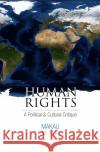
Human Rights A Political and Cultural Critique Makau Mutua "Engaged, sometimes passionate. . . . Mutua's book is an inspiring one. . . . Viewing the human rights commitment as a self-justifying crusade, he points toward an innovative direction of research."--Human Rights Review "A welcome and timely contribution to a human rights discourse that is becoming increasingly monolithic. Mutua is right when he argues that the human rights movement is neither nonideological nor postideological. The mantra of universal morality tends to mask its deeply political character."--Ethics and...
Human Rights A Political and Cultural Critique Makau Mutua "Engaged, sometimes passionate. . . . Mutua's book is an inspiring one. . . . Viewing the h...
Throughout its history, America's policies have alternatively embraced human rights, regarded them with ambivalence, or rejected them out of hand. The essays in Bringing Human Rights Home: A History of Human Rights in the United States put these shifting political winds into a larger historical perspective, from the country's very beginnings to the present day.
The contributing writers examine the global influences on early American attitudes toward human rights and, reviewing the twentieth century, note the high-water mark of human rights acceptance during Franklin Delano...
Throughout its history, America's policies have alternatively embraced human rights, regarded them with ambivalence, or rejected them out of hand. ...