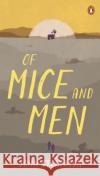
A controversial tale of friendship and tragedy during the Great Depression They are an unlikely pair: George is "small and quick and dark of face"; Lennie, a man of tremendous size, has the mind of a young child. Yet they have formed a "family," clinging together in the face of loneliness and alienation. Laborers in California's dusty vegetable fields, they hustle work when they can, living a hand-to-mouth existence. For George and Lennie have a plan: to own an acre of land and a shack they can call their own. When they land jobs on a ranch in the Salinas Valley, the...
A controversial tale of friendship and tragedy during the Great Depression They are an unlikely pair: George is "small and quick and dark o...
A controversial tale of friendship and tragedy during the Great Depression Over seventy-five years since its first publication, Steinbeck's tale of commitment, loneliness, hope, and loss remains one of America's most widely read and taught novels. An unlikely pair, George and Lennie, two migrant workers in California during the Great Depression, grasp for their American Dream. They hustle work when they can, living a hand-to-mouth existence. For George and Lennie have a plan: to own an acre of land and a shack they can call their own. When they land jobs on a ranch in the Salinas...
A controversial tale of friendship and tragedy during the Great Depression Over seventy-five years since its first publication, Steinbeck'...
Steinbeck's tough yet charming portrait of people on the margins of society, dependant on one another for both physical and emotional survival Published in 1945, Cannery Rowfocuses on the acceptance of life as it is: both the exuberance of community and the loneliness of the individual. Drawing on his memories of the real inhabitants of Monterey, California, including longtime friend Ed Ricketts, Steinbeck interweaves the stories of Doc, Dora, Mack and his boys, Lee Chong, and the other characters in this world where only the fittest survive, to create a...
Steinbeck's tough yet charming portrait of people on the margins of society, dependant on one another for both physical and emotional survival ...
Written at a time of profound anxiety caused by the illness of his mother, Nobel Prize winner John Steinbeck draws on his memories of childhood in these stories about a boy who embodies both the rebellious spirit and the contradictory desire for acceptance of early adolescence. Unlike most coming-of-age stories, the cycle does not end with a hero "matured" by circumstances. As John Seelye writes in his introduction, reversing common interpretations, The Red Ponyis imbued with a sense of loss. Jody's encounters with birth and death express a common theme in Steinbeck's fiction:...
Written at a time of profound anxiety caused by the illness of his mother, Nobel Prize winner John Steinbeck draws on his memories of childhood in the...
"Steinbeck is an artists; and he tells the stories of these lovable thieves and adulterers with a gentle and poetic purity of heart and of prose." New York Herald Tribune Adopting the structure and themes of the Arthurian legend, John Steinbeck created a Camelot on a shabby hillside above the town of Monterey, California, and peopled it with a colorful band of knights. At the center of the tale is Danny, whose house, like Arthur s castle, becomes a gathering place for men looking for adventure, camaraderie, and a sense of belonging men who fiercely resist the corrupting tide of...
"Steinbeck is an artists; and he tells the stories of these lovable thieves and adulterers with a gentle and poetic purity of heart and of prose." ...
In the two years after the 1939 publication of Steinbeck's masterful The Grapes of Wrath, Steinbeck and his novel increasingly became the center of intense controversy and censorship. In search of a respite from the national stage, Steinbeck and his close friend, biologist Ed Ricketts, embarked on a month long marine specimen-collecting expedition in the Gulf of California, which resulted in their collaboration on the Sea of Cortez. In 1951, after Ricketts' death, Steinbeck reissued his narrative portion of the work in memory of his friend and the inspiration for Cannery...
In the two years after the 1939 publication of Steinbeck's masterful The Grapes of Wrath, Steinbeck and his novel increasingly became the cente...
Occupied by enemy troops, a small, peaceable town comes face-to-face with evil imposed from the outside--and betrayal born within the close-knit community In this masterful tale set in Norway during World War II, Steinbeck explores the effects of invasion on both the conquered and the conquerors. As he delves into the emotions of the German commander and the Norwegian traitor, and depicts the spirited patriotism of the Norwegian underground, Steinbeck uncovers profound, often unsettling truths about war--and about human nature.
Nobel Prize winner JohnSteinbeck's...
Occupied by enemy troops, a small, peaceable town comes face-to-face with evil imposed from the outside--and betrayal born within the close-knit co...
In Nobel Prize winner John Steinbeck's beautifully rendered depictions of small yet fateful moments that transform ordinary lives, these twelve early stories introduce both the subject and style of artistic expression that recur in the most important works of his career. Each of these self-contained stories is linked to the others by the presence of the Munroes, a family whose misguided behavior and lack of sensitivity precipitate disasters and tragedies. As the individual dramas unfold, Steinbeck reveals the self-deceptions, intellectual limitations, and emotional vulnerabilities that shape...
In Nobel Prize winner John Steinbeck's beautifully rendered depictions of small yet fateful moments that transform ordinary lives, these twelve early ...
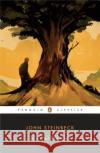
Ancient pagan beliefs, the great Greek epics, and the Bible all inform this extraordinary novel by Nobel Prize winner John Steinbeck, which occupied him for more than five difficult years. While fulfilling his dead father's dream of creating a prosperous farm in California, Joseph Wayne comes to believe that a magnificent tree on the farm embodies his father's spirit. His brothers and their families share in Joseph's prosperity, and the farm flourishes--until one brother, frightened by Joseph's pagan belief, kills the tree, allowing disease and famine to descend on the farm. Set in familiar...
Ancient pagan beliefs, the great Greek epics, and the Bible all inform this extraordinary novel by Nobel Prize winner John Steinbeck, which occupied h...