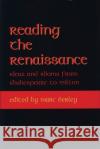
Reading the Renaissance is a timely and compelling answer to a decades-long attack on literature by various schools of critical theory. A collection of new and provocative essays by prominent scholars, it speaks eloquently to the enduring value of Renaissance literature and literary study. Reading Renaissance literature requires what Edward W. Tayler calls literary tact, the willingness to allow poets their own ideas. A reader might best come to understand Renaissance writers by attending, again and again, to their ideas, idioms, and intentions. Reading, writes Marc Berley, is a dangerous...
Reading the Renaissance is a timely and compelling answer to a decades-long attack on literature by various schools of critical theory. A collection o...
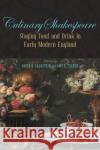
Eating and drinking -- vital to all human beings -- were of central importance to Shakespeare and his contemporaries. Culinary Shakespeare, the first collection devoted solely to the study of food and drink in Shakespeare's plays, reframes questions about cuisine, eating, and meals in early modern drama. As a result, Shakespearean scenes that have long been identified as important and influential by scholars can now be considered in terms of another revealing cultural marker -- that of culinary dynamics. Renaissance scholars, as Goldstein and Tigner point out, have only begun to grapple with...
Eating and drinking -- vital to all human beings -- were of central importance to Shakespeare and his contemporaries. Culinary Shakespeare, the first ...