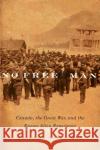
Approximately 8,000 Canadian civilians were imprisoned during the First World War because of their ethnic ties to Germany, Austria-Hungary, and other enemy nations. Although not as well-known as the later internments of Japanese Canadians during the Second World War, these incarcerations played a crucial role in shaping debates about Canadian citizenship, diversity, and loyalty. Tracing the evolution and consequences of Canadian government policy towards immigrants of enemy nationality, No Free Man is a nuanced work that acknowledges both the challenges faced by the Government of Canada as...
Approximately 8,000 Canadian civilians were imprisoned during the First World War because of their ethnic ties to Germany, Austria-Hungary, and other ...
In the wake of Europe's so-called refugee crisis in 2015 and 2016, even traditionally open countries such as Sweden and Germany adopted hostile policies on refugees, closing borders and linking refugees with terrorism and threats to national security. Once deemed taboo, uncharitable conduct towards those in need has become increasingly acceptable, and even desirable, throughout the Western world. From Righteousness to Far Right follows nineteen months of ethnographic fieldwork with a grassroots NGO in a small Swedish village, where over one hundred refugees were housed. Through an embedded,...
In the wake of Europe's so-called refugee crisis in 2015 and 2016, even traditionally open countries such as Sweden and Germany adopted hostile polici...