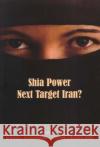
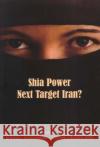
This book, the first in a new series from the Daedalos Institute of Geopolitics in Cyprus, asks whether Iran has pretensions to become the leader of the Muslim world, and it poses the following questions: Does the Islamic Republic intend to acquire a nuclear bomb? What is its energy policy and how does the world's need for hydrocarbons bolster the country's geopolitical position? What does the election of Mahmoud Ahmadinejad mean for the factionalism and power struggles of Iranian politics? What is the relationship between the clergy and the 'neo-conservatives' who now control the presidency?...
This book, the first in a new series from the Daedalos Institute of Geopolitics in Cyprus, asks whether Iran has pretensions to become the leader of t...
This book, the first in a new series from the Daedalos Institute of Geopolitics in Cyprus, asks whether Iran has pretensions to become the leader of the Muslim world, and it poses the following questions: Does the Islamic Republic intend to acquire a nuclear bomb? What is its energy policy and how does the world's need for hydrocarbons bolster the country's geopolitical position? What does the election of Mahmoud Ahmadinejad mean for the factionalism and power struggles of Iranian politics? What is the relationship between the clergy and the 'neo-conservatives' who now control the presidency?...
This book, the first in a new series from the Daedalos Institute of Geopolitics in Cyprus, asks whether Iran has pretensions to become the leader of t...
This second book in the series Geopolitical Affairs concentrates on migration in the twenty-first century. Migration will be one of the biggest issues in world geopolitics in the years to come. Huge population flows are one of the key phenomena of the contemporary world. The book addresses the following questions: --- Kofi Annan's concept of the 'globalisation of the globe' and of his idea that nation-states have had their day: do the world's major institutions share this view? What is the view of the Holy See, the United Nations High Commissioner for Refugees, and non-governmental...
This second book in the series Geopolitical Affairs concentrates on migration in the twenty-first century. Migration will be one of the biggest issues...
This second book in the series Geopolitical Affairs concentrates on migration in the twenty-first century. Migration will be one of the biggest issues in world geopolitics in the years to come. Huge population flows are one of the key phenomena of the contemporary world. The book addresses the following questions: --- Kofi Annan's concept of the 'globalisation of the globe' and of his idea that nation-states have had their day: do the world's major institutions share this view? What is the view of the Holy See, the United Nations High Commissioner for Refugees, and non-governmental...
This second book in the series Geopolitical Affairs concentrates on migration in the twenty-first century. Migration will be one of the biggest issues...
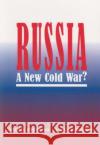
When Vladimir Putin came to power in 2000, George Bush said he was a man he could trust. Since then, relations between Russia and the West have gone from bad to worse. The EU and Russia have been unable to agree on the terms of their partnership; NATO expansion continues apace, threatening to include countries like Ukraine and Georgia; the United Kingdom harbours, as political refugees, men who call for the violent overthrow of the Russian government; and the United States is determined to build an anti-missile shield which, Moscow fears, would render feasible a 'first strike' against Russia....
When Vladimir Putin came to power in 2000, George Bush said he was a man he could trust. Since then, relations between Russia and the West have gone f...