The telegraph fundamentally changed the way communication happened, since the telegraph was the first time data was sent electrically over a wire. For many, computers have overtaken various methods of conversation as a means of communication. Communication and Cyberspace traces the history of communication technology and explores the many ways in which computers and the Internet are now being used to facilitate communication. Covering the history of communication technology, this new, full-color resource examines how staying in touch with friends and family has gotten easier with the...
The telegraph fundamentally changed the way communication happened, since the telegraph was the first time data was sent electrically over a wire. For...
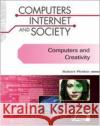
Computers and Creativity explores the many ways people use computers to create software, invent new machines, and express themselves through words, music, graphic art, and multimedia. This brand-new, full-color resource also explains how computers enable people to collaborate over space and time on a scale never before possible without the use of professional intermediaries. Additionally, it examines the ways in which computer-enabled creativity causes us to rethink copyright and patent law, providing legal protection for the creative works of both artists and inventors.
Chapters include:...
Computers and Creativity explores the many ways people use computers to create software, invent new machines, and express themselves through words, mu...
Written works, music, videos, and other content on the Internet are easily accessible to the general public, but is it considered ethically permissible to access, copy, and redistribute them? Is it right to look at someone else's documents on a home or school computer just because they are not protected by password? Are there ethical problems with using a false identity in an Internet chat room, or behaving in a way that one would not consider acting in the "real" world? What about using a photograph from the Internet in a research paper without giving credit to the photographer, even if...
Written works, music, videos, and other content on the Internet are easily accessible to the general public, but is it considered ethically permissibl...
Digital technology has caused governments, businesses, and individuals to rethink long-held notions of privacy and security. Extensive government databases and the increased use of the Internet for text, audio, and video communication make it possible to monitor every Web site a computer user visits and every conversation that they have. Although such monitoring can be used to perform surveillance on actual or suspected criminals, it can also be used to spy on innocent individuals if sufficient technology and legal constraints are not in place. Privacy, Security, and Cyberspace illustrates...
Digital technology has caused governments, businesses, and individuals to rethink long-held notions of privacy and security. Extensive government data...
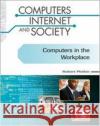
Both employees and employers in a wide variety of fields have benefited from computers and the Internet. According to a recent study by the Internet Advertising Bureau, the Internet contributes about $300 billion to the Gross Domestic Product (GDP) of the United States and has created 1.2 million jobs. At the same time, the rapid and radical nature of the advances in digital technology over the last 50 years has created significant challenges in the workplace, as both workers and business owners have needed to adapt to such technology or face losing to the competition. Computers in the...
Both employees and employers in a wide variety of fields have benefited from computers and the Internet. According to a recent study by the Internet A...