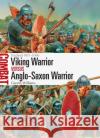
In the two centuries before the Norman invasion of England, Anglo-Saxon and Viking forces clashed repeatedly in battle, with mixed success for both sides. After the Vikings defeated three out of the four great Anglo-Saxon kingdoms and came close to defeating the fourth in the 860s and 870s, they conquered and settled large areas of England. The surviving West Saxon kingdom in turn conquered the Viking settlements in England to create the first unified English kingdom in the mid-10th century, before a new wave of Viking raids led to the Danish conquest of England in 1016. Fifty years later...
In the two centuries before the Norman invasion of England, Anglo-Saxon and Viking forces clashed repeatedly in battle, with mixed success for both...
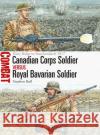
In 1917 the soldiers of the Canadian Corps would prove themselves the equal of any fighting on the Western Front, while on the other side of the wire, the men of the Royal Bavarian Army won a distinguished reputation in combat. Employing the latest weapons and pioneering tactics, the two elite units would clash in three notable encounters: the Canadian storming of Vimy Ridge, the back-and-forth engagement at Fresnoy, and at the sodden, bloody battle of Passchendaele.
Featuring carefully chosen archive photographs and specially commissioned artwork, this study assesses these three...
In 1917 the soldiers of the Canadian Corps would prove themselves the equal of any fighting on the Western Front, while on the other side of the wi...
In 1979 the Soviet Union moved from military 'help' to active intervention in Afghanistan. Four-fifths of the Afghan National Army deserted in the first year of the war, which, compounded with the spread and intensification of the rebellion led by the formidable guerrilla fighters of the Mujahideen, forced the Soviets to intensify their involvement.
The Soviet army was in generally poor condition when the war started, but the troops of the airborne and air assault units were better trained and equipped. As a result they developed aggressive, sometimes effective tactics against an...
In 1979 the Soviet Union moved from military 'help' to active intervention in Afghanistan. Four-fifths of the Afghan National Army deserted in the ...
By the end of the first week of November 1942, the German Sixth Army held about 90 percent of Stalingrad. Yet the Soviets stubbornly held on to the remaining parts of the city, and German casualties started to reach catastrophic levels. In an attempt to break the deadlock, Hitler decided to send additional German pioneer battalions to act as an urban warfare spearhead. These combat engineers were skilled in all aspects of city fighting, especially in the use of demolitions and small arms to overcome defended positions and in the destruction of armored vehicles. Facing them were hardened...
By the end of the first week of November 1942, the German Sixth Army held about 90 percent of Stalingrad. Yet the Soviets stubbornly held on to the...