RICHMOND WAS NOT only the capital of Virginia and of the Confederacy; it was also one of the most industrialized cities south of the Mason-Dixon Line. Boasting ironworks, tobacco processing plants, and flour mills, the city by 1860 drew half of its male workforce from the local slave population. Rearing Wolves to Our Own Destruction examines this unusual urban labor system from 1782 until the end of the Civil War. Many urban bondsmen and women were hired to businesses rather than working directly for their owners. As a result, they frequently had the opportunity to negotiate their...
RICHMOND WAS NOT only the capital of Virginia and of the Confederacy; it was also one of the most industrialized cities south of the Mason-Dixon Li...
During the 1980s the term jua kali (Kiswahili for 'hot sun') came to refer to anybody working in self-employment in Kenya. This text brings the informal sector alive through the photographs and life histories of jua kali people, and offers an analysis of what has been achieved by ordinary Kenyans. North America: Ohio U Press; Kenya: EAEP
During the 1980s the term jua kali (Kiswahili for 'hot sun') came to refer to anybody working in self-employment in Kenya. This text brings the inform...
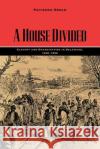
Delaware stood outside the primary streams of New World emancipation. Despite slavery's virtual demise in that state during the antebellum years and Delaware's staunch Unionism during the Civil War itself, the state failed to ratify the Thirteenth Amendment, which prohibits slavery, until 1901. Patience Essah here examines the introduction, evolution, demise, and final abolition of slavery in Delaware. In deomnstrating the persistence of slavery in Delaware, she raises important questions about postslavery race relations.
Delaware stood outside the primary streams of New World emancipation. Despite slavery's virtual demise in that state during the antebellum years an...