For students of modern literature, the works of Virginia Woolf are essential reading. In her novels, short stories, essays, polemical pamphlets and in her private letters she explored, questioned and refashioned everything about modern life: cinema, sexuality, shopping, education, feminism, politics and war. Her elegant and startlingly original sentences became a model of modernist prose. This is a clear and informative introduction to Woolf's life, works, and cultural and critical contexts, explaining the importance of the Bloomsbury group in the development of her work. It covers the major...
For students of modern literature, the works of Virginia Woolf are essential reading. In her novels, short stories, essays, polemical pamphlets and in...
Joseph Conrad is one of the most intriguing and important modernist novelists. His writing continues to preoccupy twenty-first-century readers. This introduction by a leading scholar is aimed at students coming to Conrad's work for the first time. The rise of postcolonial studies has inspired interest in Conrad's themes of travel, exploration, and racial and ethnic conflict. John Peters explains how these themes are explored in his major works, Nostromo, Lord Jim and Heart of Darkness, as well as his short stories. He provides an essential overview of Conrad's fascinating life and career and...
Joseph Conrad is one of the most intriguing and important modernist novelists. His writing continues to preoccupy twenty-first-century readers. This i...
James Joyce has a reputation for being one of modern literature's most difficult writers. This introduction gives students the necessary tools they will need to get the most out of reading him. It provides the essential biographical information and situates his life and works in broader cultural, historical, and literary contexts. Students will also find detailed examinations of the major works including Ulysses and Finnegans Wake. In addition, Bulson lets students see how Joyce evolved as a writer. This introduction also provides a brief history of the critical reception of Joyce's life and...
James Joyce has a reputation for being one of modern literature's most difficult writers. This introduction gives students the necessary tools they wi...
Stowe, Hawthorne, Melville, and Twain: these are just a few of the world-class novelists of nineteenth-century America. The nineteenth-century American novel was a highly fluid form, constantly evolving in response to the turbulent events of the period and emerging as a key component in American identity, growth, expansion and the Civil War. Gregg Crane tells the story of the American novel from its beginnings in the early republic to the end of the nineteenth century. Treating the famous and many less well-known works, Crane discusses the genre's major figures, themes and developments. He...
Stowe, Hawthorne, Melville, and Twain: these are just a few of the world-class novelists of nineteenth-century America. The nineteenth-century America...
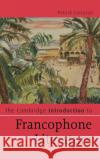
The literature of French-speaking countries forms a distinct body of work quite separate from literature written in France itself, offering a passionate creative engagement with their postcolonial cultures. This book provides an introduction to the literatures that have emerged in the French-speaking countries and regions of the world in recent decades, illustrating their astonishing breadth and diversity, and exploring their constant state of tension with the literature of France. The study opens with a wide-ranging discussion of the idea of francophonie. Each chapter then provides readers...
The literature of French-speaking countries forms a distinct body of work quite separate from literature written in France itself, offering a passiona...
Ezra Pound is one of the most visible and influential poets of the twentieth century. He is also one of the most complex, his poetry containing historical and mythical allusions, experiments of form and style and often controversial political views. Yet Pound's life and work continue to fascinate. This Introduction, first published in 2005, is designed to help students reading Pound for the first time. Pound scholar Ira B. Nadel provides a guide to the rich webs of allusion and stylistic borrowings and innovations in Pound's writing. He offers a clear overview of Pound's life, works, contexts...
Ezra Pound is one of the most visible and influential poets of the twentieth century. He is also one of the most complex, his poetry containing histor...
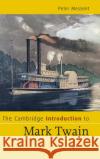
Mark Twain is a central figure in nineteenth-century American literature, and his novels are among the best-known and most often studied texts in the field. This clear and incisive Introduction provides a biography of the author and situates his works in the historical and cultural context of his times. Peter Messent gives accessible but penetrating readings of the best-known writings including Tom Sawyer and Huckleberry Finn. He pays particular attention to the way Twain's humour works and how it underpins his prose style. The final chapter provides up-to-date analysis of the recent critical...
Mark Twain is a central figure in nineteenth-century American literature, and his novels are among the best-known and most often studied texts in the ...
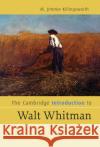
Walt Whitman is one of the most innovative and influential American poets of the nineteenth century. Focusing on his masterpiece Leaves of Grass, this book provides a foundation for the study of Whitman as an experimental poet, a radical democrat, and a historical personality in the era of the American Civil War, the growth of the great cities, and the westward expansion of the United States. Always a controversial and important figure, Whitman continues to attract the admiration of poets, artists, critics, political activists, and readers around the world. Those studying his work for the...
Walt Whitman is one of the most innovative and influential American poets of the nineteenth century. Focusing on his masterpiece Leaves of Grass, this...
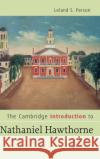
As the author of The Scarlet Letter, Nathaniel Hawthorne has been established as a major writer of the nineteenth century and the most prominent chronicler of New England and its colonial history. This introductory book for students coming to Hawthorne for the first time outlines his life and writings in a clear and accessible style. Leland S. Person also explains some of the significant cultural and social movements that influenced Hawthorne's most important writings: Puritanism, Transcendentalism and Feminism. The major works, including The Scarlet Letter, The House of the Seven Gables and...
As the author of The Scarlet Letter, Nathaniel Hawthorne has been established as a major writer of the nineteenth century and the most prominent chron...
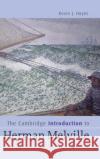
Despite its indifferent reception when it was first published in 1851, Moby Dick is now a central work in the American literary canon. This introduction offers readings of Melville's masterpiece, but it also sets out the key themes, contexts, and critical reception of his entire oeuvre. The first chapters cover Melville's life and the historical and cultural contexts. Melville's individual works each receive full attention in the third chapter, including Typee, Moby Dick, Billy Budd and the short stories. Elsewhere in the chapter different themes in Melville are explained with reference to...
Despite its indifferent reception when it was first published in 1851, Moby Dick is now a central work in the American literary canon. This introducti...