Ethics Without Intention tackles the questions raised by difficult moral dilemmas by providing a critical analysis of double effect and its most common ethical and political applications. The book discusses the philosophical distinction between intended harm and foreseen but unintended harm. This distinction, which, according to the doctrine of double effect, makes a difference to the moral justification of actions, is widely applied to some of the most controversial ethical and political questions of our time: collateral damages in wars and acts of terrorism; palliative care,...
Ethics Without Intention tackles the questions raised by difficult moral dilemmas by providing a critical analysis of double effect and its ...
Ethics Without Intention tackles the questions raised by difficult moral dilemmas by providing a critical analysis of double effect and its most common ethical and political applications. The book discusses the philosophical distinction between intended harm and foreseen but unintended harm. This distinction, which, according to the doctrine of double effect, makes a difference to the moral justification of actions, is widely applied to some of the most controversial ethical and political questions of our time: collateral damages in wars and acts of terrorism; palliative care,...
Ethics Without Intention tackles the questions raised by difficult moral dilemmas by providing a critical analysis of double effect and its ...
What is it for a car, a piece of art or a person to be good, bad or better than another? In this first book-length introduction to value theory, Francesco Orsi explores the nature of evaluative concepts used in everyday thinking and speech and in contemporary philosophical discourse. The various dimensions, structures and connections that value concepts express are interrogated with clarity and incision.
Orsi provides a systematic survey of both classic texts including Plato, Aristotle, Kant, Moore and Ross and an array of contemporary theorists. The reader is guided through the...
What is it for a car, a piece of art or a person to be good, bad or better than another? In this first book-length introduction to value theory, Fr...
What is it for a car, a piece of art or a person to be good, bad or better than another? In this first book-length introduction to value theory, Francesco Orsi explores the nature of evaluative concepts used in everyday thinking and speech and in contemporary philosophical discourse. The various dimensions, structures and connections that value concepts express are interrogated with clarity and incision.
Orsi provides a systematic survey of both classic texts including Plato, Aristotle, Kant, Moore and Ross and an array of contemporary theorists. The reader is guided through the...
What is it for a car, a piece of art or a person to be good, bad or better than another? In this first book-length introduction to value theory, Fr...
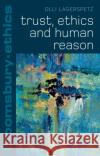
The variety of approaches to the concept of trust in philosophy reflects the fact that our worries are diverse, from the Hobbesian concern for the possibility of rational cooperation to Wittgenstein's treatment of the place of trust in knowledge. To speak of trust is not only to describe human action but also to take a perspective on it and to engage with it.
Olli Lagerspetz breathes new life into the philosophical debate by showing how questions about trust are at the centre of any in-depth analyses of the nature of human agency and human rationality and that these issues, in...
The variety of approaches to the concept of trust in philosophy reflects the fact that our worries are diverse, from the Hobbesian concern for the ...
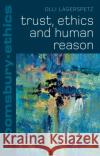
The variety of approaches to the concept of trust in philosophy reflects the fact that our worries are diverse, from the Hobbesian concern for the possibility of rational cooperation to Wittgenstein's treatment of the place of trust in knowledge. To speak of trust is not only to describe human action but also to take a perspective on it and to engage with it.
Olli Lagerspetz breathes new life into the philosophical debate by showing how questions about trust are at the centre of any in-depth analyses of the nature of human agency and human rationality and that these issues, in...
The variety of approaches to the concept of trust in philosophy reflects the fact that our worries are diverse, from the Hobbesian concern for the ...
Kasper Lippert-Rasmussen tackles all the major questions concerning luck egalitarianism, providing deep, penetrating and original discussion of recent academic discourses on distributive justice as well as responses to some of the main objections in the literature. It offers a new answer to the "Why equality?" and "Equality of what?" questions, and provides a robust luck egalitarian response to the recent criticisms of luck egalitarianism by social relations egalitarians.
This systematic, theoretical introduction illustrates the broader picture of distributive justice and enables...
Kasper Lippert-Rasmussen tackles all the major questions concerning luck egalitarianism, providing deep, penetrating and original discussion of rec...
Kasper Lippert-Rasmussen tackles all the major questions concerning luck egalitarianism, providing deep, penetrating and original discussion of recent academic discourses on distributive justice as well as responses to some of the main objections in the literature. It offers a new answer to the "Why equality?" and "Equality of what?" questions, and provides a robust luck egalitarian response to the recent criticisms of luck egalitarianism by social relations egalitarians.
This systematic, theoretical introduction illustrates the broader picture of distributive justice and enables...
Kasper Lippert-Rasmussen tackles all the major questions concerning luck egalitarianism, providing deep, penetrating and original discussion of rec...
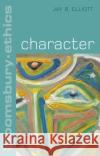
Why do people do evil? How can we learn to do better? Philosophers in the long-standing tradition of 'virtue ethics' argue that we act badly because of shortcomings in our character, and that we can improve by practicing virtues such as courage, honesty, and compassion. Recently, philosophical 'situationists' have issued a profound challenge to this tradition: they argue that anyone can act badly if placed in a sufficiently tempting situation, and that the goal of cultivating good character is misguided and may even be harmful. Rather than encouraging us to pursue the ideal of virtue,...
Why do people do evil? How can we learn to do better? Philosophers in the long-standing tradition of 'virtue ethics' argue that we act badly becaus...
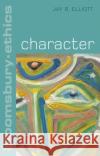
Why do people do evil? How can we learn to do better? Philosophers in the long-standing tradition of 'virtue ethics' argue that we act badly because of shortcomings in our character, and that we can improve by practicing virtues such as courage, honesty, and compassion. Recently, philosophical 'situationists' have issued a profound challenge to this tradition: they argue that anyone can act badly if placed in a sufficiently tempting situation, and that the goal of cultivating good character is misguided and may even be harmful. Rather than encouraging us to pursue the ideal of virtue,...
Why do people do evil? How can we learn to do better? Philosophers in the long-standing tradition of 'virtue ethics' argue that we act badly becaus...