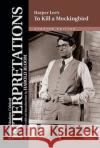
Published in 1960, and awarded the Pulitzer Prize in 1961, "To Kill a Mockingbird" is required reading for many middle and high school students. The coming-of-age tale of its young narrator, Jean Louise "Scout" Finch, of Maycomb, Alabama, is interwoven with explorations of the issues of prejudice, racism, innocence, compassion, and hypocrisy. Libraries will welcome this indispensable and completely updated edition of Bloom's "Modern Critical Interpretations". A compilation of important current criticism on Harper Lee's first and only novel gleaned from key publications, this accessible study...
Published in 1960, and awarded the Pulitzer Prize in 1961, "To Kill a Mockingbird" is required reading for many middle and high school students. The c...
Each title features: - Critical essays reflecting a variety of schools of criticism - Notes on the contributing critics, a chronology of the author's life, and an index - An introductory essay by Harold Bloom.
Each title features: - Critical essays reflecting a variety of schools of criticism - Notes on the contributing critics, a chronology of the au...
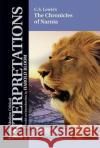
British scholar and author Clive Staples Lewis (1898 - 1963) wrote more than 40 books, including science fiction, literary criticism, Christian apologetics, and poetry, but his most popular works remain the seven children's books that constitute "The Chronicles of Narnia", published between 1950 and 1956. Drawing on biblical symbols, Greek and Roman mythology, and English and Irish fairy tales, Lewis was able to create the enchanted setting of Narnia, a fictional world where magic meets reality. Today these novels continue to sustain an immense and wide readership, and have inspired an...
British scholar and author Clive Staples Lewis (1898 - 1963) wrote more than 40 books, including science fiction, literary criticism, Christian apolog...
Each title features: - Critical essays reflecting a variety of schools of criticism - Notes on the contributing critics, a chronology of the author's life, and an index - An introductory essay by Harold Bloom.
Each title features: - Critical essays reflecting a variety of schools of criticism - Notes on the contributing critics, a chronology of the au...
Each title features: - Critical essays reflecting a variety of schools of criticism - Notes on the contributing critics, a chronology of the author's life, and an index - An introductory essay by Harold Bloom.
Each title features: - Critical essays reflecting a variety of schools of criticism - Notes on the contributing critics, a chronology of the au...
Each title features: - Critical essays reflecting a variety of schools of criticism - Notes on the contributing critics, a chronology of the author's life, and an index - An introductory essay by Harold Bloom.
Each title features: - Critical essays reflecting a variety of schools of criticism - Notes on the contributing critics, a chronology of the au...
Each title features: - Critical essays reflecting a variety of schools of criticism - Notes on the contributing critics, a chronology of the author's life, and an index - An introductory essay by Harold Bloom.
Each title features: - Critical essays reflecting a variety of schools of criticism - Notes on the contributing critics, a chronology of the au...
Each title features: - Critical essays reflecting a variety of schools of criticism - Notes on the contributing critics, a chronology of the author's life, and an index - An introductory essay by Harold Bloom.
Each title features: - Critical essays reflecting a variety of schools of criticism - Notes on the contributing critics, a chronology of the au...