




Wyniki wyszukiwania:
wyszukanych pozycji: 45
 |
Culturally Responsive Strategies for Reforming STEM Higher Education: Turning the TIDES on Inequity
ISBN: 9781787699540 / Angielski / Miękka / 2022 / 304 str. Termin realizacji zamówienia: ok. 30 dni roboczych. By the end of this decade, the U.S. economy will annually create hundreds of thousands of new jobs requiring a bachelor's degree in STEM fields, particularly computer science. This increasing need for computer scientists, coupled with an inconsistent agenda for managing dramatic shifts in the demographic landscape of higher education, compromises our competitiveness in scientific discovery and innovation. As higher education seeks to address this issue, the need for more culturally responsive approaches to undergraduate STEM teaching also increases.This book uses the power of reflection,...
By the end of this decade, the U.S. economy will annually create hundreds of thousands of new jobs requiring a bachelor's degree in STEM fields, parti...
|
cena:
140,28 |
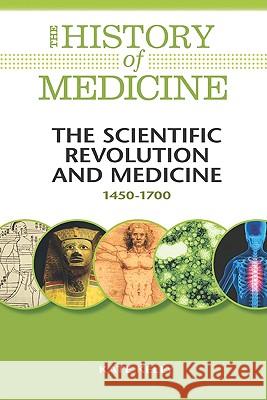 |
The Scientific Revolution and Medicine: 1450-1700
ISBN: 9780816072071 / Angielski / Twarda / 2009 / 158 str. Termin realizacji zamówienia: ok. 30 dni roboczych. The Middle Ages marked a time when religion and superstition dominated all thinking and stalled the pursuit of new ideas. This book examines the scientific revolution and how it has affected future developments in medicine. It is suitable for readers in need of additional information on specific terms, topics, and developments in medical science.
The Middle Ages marked a time when religion and superstition dominated all thinking and stalled the pursuit of new ideas. This book examines the scien...
|
cena:
158,00 |
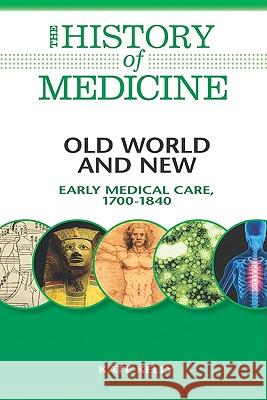 |
Old World and New: Early Medical Care, 1700-1840
ISBN: 9780816072088 / Angielski / Twarda / 2009 Termin realizacji zamówienia: ok. 30 dni roboczych. The Age of Enlightenment brought about impressive achievements in scientific understanding that pertained to medicine. Documentation of the anatomy progressed rapidly, and there was greater understanding of how certain bodily systems worked. Scientists expressed great hope for the future with some proclaiming that because scientific knowledge was growing so rapidly, disease would soon be completely eradicated. Yet the actual cause of illness still stymied them. Though microscopes provided the capability of seeing "little animalcules," no one had drawn a line between the presence of what we... The Age of Enlightenment brought about impressive achievements in scientific understanding that pertained to medicine. Documentation of the anatomy... |
cena:
158,00 |
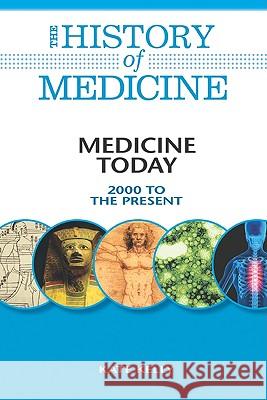 |
Medicine Today
ISBN: 9780816072101 / Angielski / Other merchandise / 2010 Termin realizacji zamówienia: ok. 30 dni roboczych. Many people take for granted that physicians know what they are doing, but every day scientists must make very difficult decisions. Just because scientists can harvest stem cells, doesn't mean that they should; and while one day nanotechnology might mean a little "nanobot" can be turned into a blood vessel to clean out the arteries, there are some ethical and environmental issues that must be considered first. Today people can be kept alive mechanically, but physicians must wrestle with how long breathing on a machine should continue before a person is declared dead and their organs can be... Many people take for granted that physicians know what they are doing, but every day scientists must make very difficult decisions. Just because sc... |
cena:
158,00 |
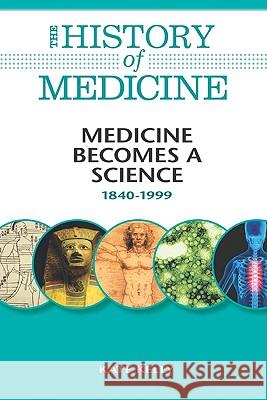 |
Medicine Becomes a Science: 1840-1999
ISBN: 9780816072095 / Angielski / Twarda / 2010 / 168 str. Termin realizacji zamówienia: ok. 30 dni roboczych. Scientists did not know what made people sick more than 150 years ago. There were many theories of how and why illness spread, but none of them were accurate. Though very primitive microscopes had permitted the examination of bacteria as early as the 1660s, it was not until the mid-19th century that bacteria's contribution to the spread of illness was understood. It was during this time that surgeons routinely examined patients in the morning and then performed surgeries in the afternoon--without wearing gloves or washing their hands first. Physician Ignaz Semmelweis made the connection... Scientists did not know what made people sick more than 150 years ago. There were many theories of how and why illness spread, but none of them wer... |
cena:
158,00 |





Czytaj nas na:
KrainaKsiazek.PL - Księgarnia Internetowa


