Widows at the Gates » książka





Widows at the Gates
ISBN-13: 9783838300290 / Angielski / Miękka / 2010 / 396 str.
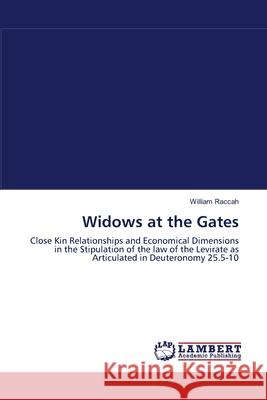
Although the levirate was something bordering on incest, it was the only reasonable way the ancient Israelites, and the Jews after them, could keep property within a man's family, even after his death, and take care of a widow in her old age. While this may make us uncomfortable and push our accepted limits on morality, the pragmatic answer(s) of the people of the Old Testament time are intriguing, to say the least. In a world where the economic condition of a woman was determined by her relationship to a male, whether her husband, her son, or, by default, her brother-in-law, something had to be done when the two primary contributors to her well-being were no longer there, or not yet present. Therein lies the economical dimensions in the stipulation of the law of the levirate as articulated in Deuteronomy 25.5-10. This analysis, therefore, aims to gain a clearer understanding of the purpose of the law of the levirate and to see if its was applied, simply referred to or totally ignored.
Although the levirate was something bordering onincest, it was the only reasonable way the ancientIsraelites, and the Jews after them, could keepproperty within a mans family, even after his death,and take care of a widow in her old age. While thismay make us uncomfortable and push our acceptedlimits on morality, the pragmatic answer(s) of thepeople of the Old Testament time are intriguing, tosay the least. In a world where the economiccondition of a woman was determined by herrelationship to a male, whether her husband, her son,or, by default, her brother-in-law, something had tobe done when the two primary contributors to herwell-being were no longer there, or not yet present.Therein lies the economical dimensions in thestipulation of the law of the levirate as articulatedin Deuteronomy 25.5-10. This analysis, therefore,aims to gain a clearer understanding of the purposeof the law of the levirate and to see if its wasapplied, simply referred to or totally ignored.




Czytaj nas na:
KrainaKsiazek.PL - Księgarnia Internetowa


