• Wyszukiwanie zaawansowane
  • Kategorie
  • Kategorie BISAC
  • Książki na zamówienie
  • Promocje
  • Granty
  • Książka na prezent
  • Opinie
  • Pomoc
  • Załóż konto
  • Zaloguj się

Universal Basic Income in Historical Perspective » książka


zaloguj się | załóż konto
Logo Krainaksiazek.pl

koszyk

konto

szukaj
topmenu
Księgarnia internetowa
Szukaj
Książki na zamówienie
Promocje
Granty
Książka na prezent
Moje konto
Pomoc
 
 
Wyszukiwanie zaawansowane
Pusty koszyk
Bezpłatna dostawa dla zamówień powyżej 20 złBezpłatna dostawa dla zamówień powyżej 20 zł

Kategorie główne

• Nauka
 [2946600]
• Literatura piękna
 [1856966]

  więcej...
• Turystyka
 [72221]
• Informatyka
 [151456]
• Komiksy
 [35826]
• Encyklopedie
 [23190]
• Dziecięca
 [619653]
• Hobby
 [140543]
• AudioBooki
 [1577]
• Literatura faktu
 [228355]
• Muzyka CD
 [410]
• Słowniki
 [2874]
• Inne
 [445822]
• Kalendarze
 [1744]
• Podręczniki
 [167141]
• Poradniki
 [482898]
• Religia
 [510455]
• Czasopisma
 [526]
• Sport
 [61590]
• Sztuka
 [243598]
• CD, DVD, Video
 [3423]
• Technologie
 [219201]
• Zdrowie
 [101638]
• Książkowe Klimaty
 [124]
• Zabawki
 [2473]
• Puzzle, gry
 [3898]
• Literatura w języku ukraińskim
 [254]
• Art. papiernicze i szkolne
 [8170]
Kategorie szczegółowe BISAC

Universal Basic Income in Historical Perspective

ISBN-13: 9783030757083 / Angielski / Miękka / 2022 / 305 str.
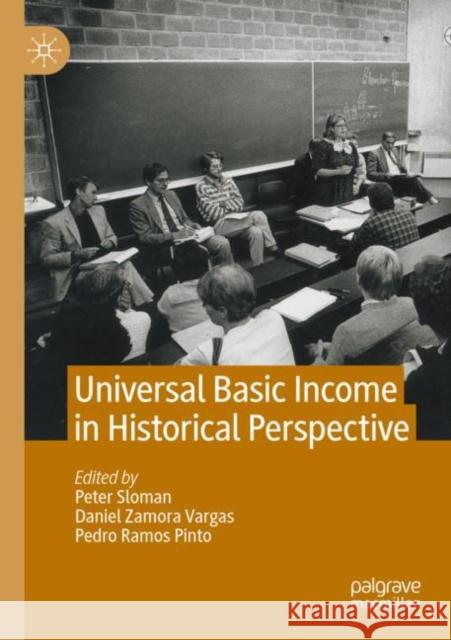
Peter Sloman; Daniel Zamora Vargas; Pedro Ramos Pinto
Universal Basic Income in Historical Perspective Peter Sloman Daniel Zamor Pedro Ramo 9783030757083 Palgrave MacMillan - książkaWidoczna okładka, to zdjęcie poglądowe, a rzeczywista szata graficzna może różnić się od prezentowanej.

Universal Basic Income in Historical Perspective

ISBN-13: 9783030757083 / Angielski / Miękka / 2022 / 305 str.

Peter Sloman; Daniel Zamora Vargas; Pedro Ramos Pinto
cena 443,82 zł
(netto: 422,69 VAT:  5%)

Najniższa cena z 30 dni: 424,07 zł
Termin realizacji zamówienia:
ok. 22 dni roboczych
Bez gwarancji dostawy przed świętami

Darmowa dostawa!
inne wydania

This new edited collection brings together historians and social scientists to engage with the global history of Universal Basic Income (UBI) and offer historically-rich perspectives on contemporary debates about the future of work. In particular, the book goes beyond a genealogy of a seemingly utopian idea to explore how the meaning and reception of basic income proposals has changed over time. The study of UBI provides a prism through which we can understand how different intellectual traditions, political agents, and policy problems have opened up space for new thinking about work and welfare at critical moments.Contributions range broadly across time and space, from Milton Friedman and the debate over guaranteed income in the post-war United States to the emergence of the European basic income movement in the 1980s and the politics of cash transfers in contemporary South Africa. Taken together, these chapters address comparative questions: why do proposals for a guaranteed minimum income emerge at some times and recede into the background in others? What kinds of problems is basic income designed to solve, and how have policy proposals been shaped by changing attitudes to gender roles and the boundaries of social citizenship? What role have transnational networks played in carrying UBI proposals between the global north and the global south, and how does the politics of basic income vary between these contexts?In short, the book builds on a growing body of scholarship on UBI and lays the groundwork for a much richer understanding of the history of this radical proposal.Chapter 3 is available open access under a Creative Commons Attribution 4.0 International License via link.springer.com.


This new edited collection brings together historians and social scientists to engage with the global history of Universal Basic Income (UBI) and offer historically-rich perspectives on contemporary debates about the future of work. In particular, the book goes beyond a genealogy of a seemingly utopian idea to explore how the meaning and reception of basic income proposals has changed over time. The study of UBI provides a prism through which we can understand how different intellectual traditions, political agents, and policy problems have opened up space for new thinking about work and welfare at critical moments.Contributions range broadly across time and space, from Milton Friedman and the debate over guaranteed income in the post-war United States to the emergence of the European basic income movement in the 1980s and the politics of cash transfers in contemporary South Africa. Taken together, these chapters address comparative questions: why do proposals for a guaranteed minimum income emerge at some times and recede into the background in others? What kinds of problems is basic income designed to solve, and how have policy proposals been shaped by changing attitudes to gender roles and the boundaries of social citizenship? What role have transnational networks played in carrying UBI proposals between the global north and the global south, and how does the politics of basic income vary between these contexts?In short, the book builds on a growing body of scholarship on UBI and lays the groundwork for a much richer understanding of the history of this radical proposal.Chapter 3 is available open access under a Creative Commons Attribution 4.0 International License via link.springer.com.

Kategorie:
Nauka, Historia
Kategorie BISAC:
Science > History
History > World - General
Political Science > Public Policy - Social Policy
Wydawca:
Palgrave MacMillan
Język:
Angielski
ISBN-13:
9783030757083
Rok wydania:
2022
Dostępne języki:
Ilość stron:
305
Waga:
0.38 kg
Wymiary:
21.01 x 14.81 x 1.7
Oprawa:
Miękka
Dodatkowe informacje:
Wydanie ilustrowane

Introduction

Pedro Ramos Pinto, Peter Sloman and Daniel Zamora

I. Anglo-American Economists and Guaranteed Incomes

1. Varieties of Basic Income: The British Case, Peter Sloman

2. Milton Friedman’s Negative Income Tax and the Demise of Welfare Economics, Daniel Zamora Vargas

3. Living Wages and Universal Incomes: Radical Economics Activists in Neoliberal America, Tiago Mata

II. Feminism, Post-Work and Automation

4. The End of Work? Guaranteed Income as a Feminist and Ecological Response to Fordism, Alyssa Battistoni  

5. Basic Income and the Spectre of the Machine, Andrew Sanchez

III. Basic Income in Post-Industrial Europe

6. “Free of Our Labors and Joined Back to Nature”: Basic Income and the Politics of Post-Work in the Low Countries, c.1968-1986, Anton Jäger

7. Activating the Unemployed or Liberating Workers? Basic Income in the French Welfare Reform Debate, 1988-2018, Marc Antoine Sabaté

8. André Gorz’s Recantation of the Second Cheque Strategy and his Adoption of UBI, Walter van Trier

IV. Cash Transfers in a Global Context

9. Jobs or Income Guarantees? A History of the Rise, Fall, and Questionable Resurgence of Universal Basic Income and Cash Transfers in Southern Africa, Liz Fouksman

10. From Freedom to Finance: How Development Paradigms Framed Basic Income, Louise Haagh

11. Basic Needs and the Discovery of Global Poverty, Samuel Moyn 

Peter Sloman is Senior Lecturer in British Politics at the University of Cambridge, UK.

Daniel Zamora Vargas is Lecturer in Sociology at the Université Libre de Bruxelles, Belgium.

Pedro Ramos Pinto is Senior Lecturer in International Economic History at the University of Cambridge, UK.

 This new edited collection brings together historians and social scientists to engage with the global history of Universal Basic Income (UBI) and offer historically-rich perspectives on contemporary debates about the future of work. In particular, the book goes beyond a genealogy of a seemingly utopian idea to explore how the meaning and reception of basic income proposals has changed over time. The study of UBI provides a prism through which we can understand how different intellectual traditions, political agents, and policy problems have opened up space for new thinking about work and welfare at critical moments.

Contributions range broadly across time and space, from Milton Friedman and the debate over guaranteed income in the post-war United States to the emergence of the European basic income movement in the 1980s and the politics of cash transfers in contemporary South Africa. Taken together, these chapters address comparative questions: why do proposals for a guaranteed minimum income emerge at some times and recede into the background in others? What kinds of problems is basic income designed to solve, and how have policy proposals been shaped by changing attitudes to gender roles and the boundaries of social citizenship? What role have transnational networks played in carrying UBI proposals between the global north and the global south, and how does the politics of basic income vary between these contexts?

In short, the book builds on a growing body of scholarship on UBI and lays the groundwork for a much richer understanding of the history of this radical proposal.


Udostępnij

Facebook - konto krainaksiazek.pl


Opinie o Krainaksiazek.pl na Opineo.pl

Partner Mybenefit

Krainaksiazek.pl w programie rzetelna firma Krainaksiaze.pl - płatności przez paypal

Czytaj nas na:

Facebook - krainaksiazek.pl
  • książki na zamówienie
  • granty
  • książka na prezent
  • kontakt
  • pomoc
  • opinie
  • regulamin
  • polityka prywatności

Zobacz:

  • Księgarnia czeska

  • Wydawnictwo Książkowe Klimaty

1997-2025 DolnySlask.com Agencja Internetowa

© 1997-2022 krainaksiazek.pl
     
KONTAKT | REGULAMIN | POLITYKA PRYWATNOŚCI | USTAWIENIA PRYWATNOŚCI
Zobacz: Księgarnia Czeska | Wydawnictwo Książkowe Klimaty | Mapa strony | Lista autorów
KrainaKsiazek.PL - Księgarnia Internetowa

Polityka prywatnosci - link
Krainaksiazek.pl - płatnośc Przelewy24
Przechowalnia Przechowalnia




