• Wyszukiwanie zaawansowane
  • Kategorie
  • Kategorie BISAC
  • Książki na zamówienie
  • Promocje
  • Granty
  • Książka na prezent
  • Opinie
  • Pomoc
  • Załóż konto
  • Zaloguj się

Underground Pipeline Corrosion » książka


zaloguj się | załóż konto
Logo Krainaksiazek.pl

koszyk

konto

szukaj
topmenu
Księgarnia internetowa
Szukaj
Książki na zamówienie
Promocje
Granty
Książka na prezent
Moje konto
Pomoc
 
 
Wyszukiwanie zaawansowane
Pusty koszyk
Bezpłatna dostawa dla zamówień powyżej 20 złBezpłatna dostawa dla zamówień powyżej 20 zł

Kategorie główne

• Nauka
 [2946600]
• Literatura piękna
 [1856966]

  więcej...
• Turystyka
 [72221]
• Informatyka
 [151456]
• Komiksy
 [35826]
• Encyklopedie
 [23190]
• Dziecięca
 [619653]
• Hobby
 [140543]
• AudioBooki
 [1577]
• Literatura faktu
 [228355]
• Muzyka CD
 [410]
• Słowniki
 [2874]
• Inne
 [445822]
• Kalendarze
 [1744]
• Podręczniki
 [167141]
• Poradniki
 [482898]
• Religia
 [510455]
• Czasopisma
 [526]
• Sport
 [61590]
• Sztuka
 [243598]
• CD, DVD, Video
 [3423]
• Technologie
 [219201]
• Zdrowie
 [101638]
• Książkowe Klimaty
 [124]
• Zabawki
 [2473]
• Puzzle, gry
 [3898]
• Literatura w języku ukraińskim
 [254]
• Art. papiernicze i szkolne
 [8170]
Kategorie szczegółowe BISAC

Underground Pipeline Corrosion

ISBN-13: 9780857095091 / Angielski / Twarda / 2014 / 340 str.
Mark Orazem
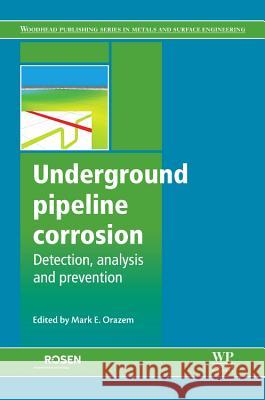
Underground Pipeline Corrosion Mark Orazem 9780857095091 Woodhead Publishing - książkaWidoczna okładka, to zdjęcie poglądowe, a rzeczywista szata graficzna może różnić się od prezentowanej.

Underground Pipeline Corrosion

ISBN-13: 9780857095091 / Angielski / Twarda / 2014 / 340 str.

Mark Orazem
cena 726,79 zł
(netto: 692,18 VAT:  5%)

Najniższa cena z 30 dni: 719,36 zł
Termin realizacji zamówienia:
ok. 30 dni roboczych
Bez gwarancji dostawy przed świętami

Darmowa dostawa!

Underground pipelines transporting liquid petroleum products and natural gas are critical components of civil infrastructure, making corrosion prevention an essential part of asset-protection strategy. Underground Pipeline Corrosion provides a basic understanding of the problems associated with corrosion detection and mitigation, and of the state of the art in corrosion prevention. The topics covered in part one include: basic principles for corrosion in underground pipelines, AC-induced corrosion of underground pipelines, significance of corrosion in onshore oil and gas pipelines, numerical simulations for cathodic protection of pipelines, and use of corrosion inhibitors in managing corrosion in underground pipelines. The methods described in part two for detecting corrosion in underground pipelines include: magnetic flux leakage, close interval potential surveys (CIS/CIPS), Pearson surveys, in-line inspection, and use of both electrochemical and optical probes. While the emphasis is on pipelines transporting fossil fuels, the concepts apply as well to metallic pipes for delivery of water and other liquids. Underground Pipeline Corrosion is a comprehensive resource for corrosion, materials, chemical, petroleum, and civil engineers constructing or managing both onshore and offshore pipeline assets; professionals in steel and coating companies; and academic researchers and professors with an interest in corrosion and pipeline engineering.

  • Reviews the causes and considers the detection and prevention of corrosion to underground pipes
  • Addresses a lack of current, readily available information on the subject
  • Case studies demonstrate how corrosion is managed in the underground pipeline industry

Kategorie:
Technologie
Kategorie BISAC:
Technology & Engineering > Structural
Technology & Engineering > Metallurgy
Technology & Engineering > Civil - Transportation
Wydawca:
Woodhead Publishing
Seria wydawnicza:
Series in Metals and Surface Engineering
Język:
Angielski
ISBN-13:
9780857095091
Rok wydania:
2014
Numer serii:
000468642
Ilość stron:
340
Waga:
0.64 kg
Wymiary:
24.26 x 16.66 x 2.67
Oprawa:
Twarda
Wolumenów:
01
Dodatkowe informacje:
Bibliografia
Wydanie ilustrowane

Contributor contact details

Woodhead Publishing Series in Metals and Surface Engineering

Introduction

References

Versatile

Part I: Understanding and managing corrosion processes

1. Understanding corrosion in underground pipelines: basic principles

Abstract:

1.1 Introduction

1.2 Electrochemical corrosion: conventional current theory

1.3 Electrochemical corrosion: advanced theories

1.4 Other factors in corrosion

1.5 Reference cells

1.6 Corrosion processes affecting pipelines

1.7 Environmental cracking

1.8 Microbiologically influenced corrosion

1.9 Corrosion protection methods: coatings

1.10 Corrosion protection methods: cathodic protection (CP)

1.11 Conclusion

1.12 Sources of further information and advice

13 References

2. AC-induced corrosion of underground pipelines

Abstract:

2.1 Introduction

2.2 The origin of alternating voltage induced in pipelines

2.3 Electrical parameters affecting the AC-corrosion process

2.4 Harmonic analysis of AC corrosion

2.5 Cathodic protection of pipelines

2.6 Analysis of AC-corrosion products

2.7 Testing AC-corrosion processes

2.8 Conclusion

2.9 References

3. Assessing the significance of corrosion in onshore oil and gas pipelines

Abstract:

3.1 Introduction

3.2 Corrosion in onshore pipelines

3.3 Detecting corrosion

3.4 Preventing corrosion

3.5 Assessment of corrosion

3.6 Particular corrosion assessment methods

3.7 Particular issues in corrosion assessment

3.8 Conclusion

3.9 References

4. Numerical simulations for cathodic protection of pipelines

Abstract:

4.1 Introduction

4.2 Historical perspective

4.3 Model development

4.4 Model validation

4.5 Applications

4.6 Conclusion

4.7 References

5. Corrosion processes and the use of corrosion inhibitors in managing corrosion in underground pipelines

Abstract:

5.1 Introduction

5.2 Sources of corrosion in oil and gas production

5.3 Techniques used in monitoring corrosion inhibitors in oil and gas pipelines

5.4 Measuring pitting corrosion rates

5.5 The use of coupons to measure corrosion rates

5.6 Comparing different monitoring techniques

5.7 Conclusion

5.8 References

6. Types of corrosion inhibitor for managing corrosion in underground pipelines

Abstract:

6.1 Introduction

6.2 Types of inhibitors

6.3 The effectiveness of corrosion inhibitors in particular corrosion environments

6.4 Criteria used in the selection of inhibitors in sour media

6.5 Mechanisms of corrosion inhibition

6.6 Types of inhibitors

6.7 Summary of corrosion inhibitors used in oil pipeline media

6.8 References

Part II: Methods for detecting corrosion

7. Electromagnetic methods for detecting corrosion in underground pipelines: magnetic flux leakage (MFL)

Abstract:

7.1 Introduction

7.2 Background and definitions

7.3 Typical inspection system capabilities

7.4 Magnetic flux leakage (MFL) pigs

7.5 Summary of MFL strengths and weaknesses

7.6 Conclusion and future trends

7.7 Sources of further information and advice

7.8 References

8. The close interval potential survey (CIS/CIPS) method for detecting corrosion in underground pipelines

Abstract:

8.1 Introduction

8.2 Equipment

8.3 Data collection

8.4 Conducting a CIS

8.5 CIS data validation

8.6 Assessing results

8.7 Summary of CIS benefits and disadvantages

8.8 Future trends

8.9 References

9. The Pearson survey method for detecting corrosion in underground pipelines

Abstract:

9.1 Introduction

9.2 Key principles of the Pearson survey technique

9.3 Advantages and disadvantages over other survey techniques

9.4 Basic equipment used for the Pearson survey

9.5 Modern developments of the technique

9.6 Conclusion

9.7 References

10. In-line inspection (ILI) methods for detecting corrosion in underground pipelines

Abstract:

10.1 Introduction

10.2 Pipeline flaws

10.3 Inspection technologies and principles

10.4 Preparing for in-line inspection

10.5 Carrying out an ILI survey

10.6 Analysis and interpretation of ILI data

10.7 Future trends

10.8 References

11. The use of probes for detecting corrosion in underground pipelines

Abstract:

11.1 Introduction

11.2 Electrochemical methods

11.3 Potential measurements

11.4 Linear polarization resistance

11.5 Electrochemical impedance spectroscopy

11.6 Galvanic sensors

11.7 Non-electrochemical methods: coupons

11.8 Optical-based methods

11.9 Electrical resistance probes

11.10 Challenges and limitations in using probes

11.11 Conclusion

11.12 References

Index

Mark Orazem is a Professor of the Department of Chemical Engineering, University of Florida, USA. He has developed, in collaboration with the oil and gas industry, simulation tools for cathodic protection of pipeline networks. Professor Orazem is a Fellow of the Electrochemical Society and a former President of the International Society of Electrochemistry.


Udostępnij

Facebook - konto krainaksiazek.pl


Opinie o Krainaksiazek.pl na Opineo.pl

Partner Mybenefit

Krainaksiazek.pl w programie rzetelna firma Krainaksiaze.pl - płatności przez paypal

Czytaj nas na:

Facebook - krainaksiazek.pl
  • książki na zamówienie
  • granty
  • książka na prezent
  • kontakt
  • pomoc
  • opinie
  • regulamin
  • polityka prywatności

Zobacz:

  • Księgarnia czeska

  • Wydawnictwo Książkowe Klimaty

1997-2025 DolnySlask.com Agencja Internetowa

© 1997-2022 krainaksiazek.pl
     
KONTAKT | REGULAMIN | POLITYKA PRYWATNOŚCI | USTAWIENIA PRYWATNOŚCI
Zobacz: Księgarnia Czeska | Wydawnictwo Książkowe Klimaty | Mapa strony | Lista autorów
KrainaKsiazek.PL - Księgarnia Internetowa

Polityka prywatnosci - link
Krainaksiazek.pl - płatnośc Przelewy24
Przechowalnia Przechowalnia







