• Wyszukiwanie zaawansowane
  • Kategorie
  • Kategorie BISAC
  • Książki na zamówienie
  • Promocje
  • Granty
  • Książka na prezent
  • Opinie
  • Pomoc
  • Załóż konto
  • Zaloguj się

Turkish Natural Language Processing » książka


zaloguj się | załóż konto
Logo Krainaksiazek.pl

koszyk

konto

szukaj
topmenu
Księgarnia internetowa
Szukaj
Książki na zamówienie
Promocje
Granty
Książka na prezent
Moje konto
Pomoc
 
 
Wyszukiwanie zaawansowane
Pusty koszyk
Bezpłatna dostawa dla zamówień powyżej 20 złBezpłatna dostawa dla zamówień powyżej 20 zł

Kategorie główne

• Nauka
 [2946600]
• Literatura piękna
 [1856966]

  więcej...
• Turystyka
 [72221]
• Informatyka
 [151456]
• Komiksy
 [35826]
• Encyklopedie
 [23190]
• Dziecięca
 [619653]
• Hobby
 [140543]
• AudioBooki
 [1577]
• Literatura faktu
 [228355]
• Muzyka CD
 [410]
• Słowniki
 [2874]
• Inne
 [445822]
• Kalendarze
 [1744]
• Podręczniki
 [167141]
• Poradniki
 [482898]
• Religia
 [510455]
• Czasopisma
 [526]
• Sport
 [61590]
• Sztuka
 [243598]
• CD, DVD, Video
 [3423]
• Technologie
 [219201]
• Zdrowie
 [101638]
• Książkowe Klimaty
 [124]
• Zabawki
 [2473]
• Puzzle, gry
 [3898]
• Literatura w języku ukraińskim
 [254]
• Art. papiernicze i szkolne
 [8170]
Kategorie szczegółowe BISAC

Turkish Natural Language Processing

ISBN-13: 9783030079499 / Angielski / Miękka / 2019 / 355 str.
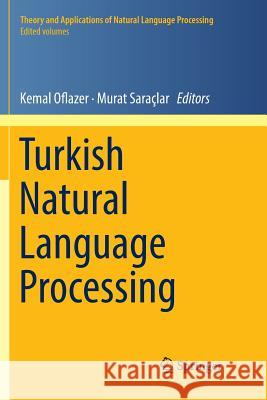
Kemal Oflazer; Murat Saraclar
Turkish Natural Language Processing Kemal Oflazer Murat Saraclar 9783030079499 Springer - książkaWidoczna okładka, to zdjęcie poglądowe, a rzeczywista szata graficzna może różnić się od prezentowanej.

Turkish Natural Language Processing

ISBN-13: 9783030079499 / Angielski / Miękka / 2019 / 355 str.

Kemal Oflazer; Murat Saraclar
cena 403,47 zł
(netto: 384,26 VAT:  5%)

Najniższa cena z 30 dni: 385,52 zł
Termin realizacji zamówienia:
ok. 22 dni roboczych
Bez gwarancji dostawy przed świętami

Darmowa dostawa!
Kategorie:
Nauka, Językoznawstwo
Kategorie BISAC:
Language Arts & Disciplines > Linguistics - General
Technology & Engineering > Electronics - General
Computers > Artificial Intelligence - Natural Language Processing
Wydawca:
Springer
Seria wydawnicza:
Theory and Applications of Natural Language Processing
Język:
Angielski
ISBN-13:
9783030079499
Rok wydania:
2019
Wydanie:
Softcover Repri
Numer serii:
000416135
Ilość stron:
355
Waga:
0.54 kg
Wymiary:
23.39 x 15.6 x 2.03
Oprawa:
Miękka
Wolumenów:
01
Dodatkowe informacje:
Wydanie ilustrowane

1 Turkish and its Challenges for Language and Speech Processing . . . . 1

1.1 Introduction . . . . . . . . . . . . . . . . . . . . . . . . . . . . . . . . . . . . . . . . . . . . . . 1
1.2 Turkish Morphology . . . . . . . . . . . . . . . . . . . . . . . . . . . . . . . . . . . . . . . 3
1.3 Constituent Order and Morphology-Syntax Interface . . . . . . . . . . . . 7
1.4 Applications . . . . . . . . . . . . . . . . . . . . . . . . . . . . . . . . . . . . . . . . . . . . . 10
1.5 State-of-the-art Tools and Resources for Turkish . . . . . . . . . . . . . . . 15
References . . . . . . . . . . . . . . . . . . . . . . . . . . . . . . . . . . . . . . . . . . . . . . . . . . . . . 17
2 Morphological Processing for Turkish . . . . . . . . . . . . . . . . . . . . . . . . . . 21
2.1 Introduction . . . . . . . . . . . . . . . . . . . . . . . . . . . . . . . . . . . . . . . . . . . . . . 21
2.2 Overview of Turkish Morphology . . . . . . . . . . . . . . . . . . . . . . . . . . . . 22
2.3 Morphophonology and Morphographemics . . . . . . . . . . . . . . . . . . . . 23
2.4 Root Lexicons and Morphotactics . . . . . . . . . . . . . . . . . . . . . . . . . . . 27
2.4.1 Representational Convention . . . . . . . . . . . . . . . . . . . . . . . . 28
2.4.2 Nominal Morphotactics . . . . . . . . . . . . . . . . . . . . . . . . . . . . 29
2.4.3 Verbal Morphotactics . . . . . . . . . . . . . . . . . . . . . . . . . . . . . . 29
2.4.4 Derivations . . . . . . . . . . . . . . . . . . . . . . . . . . . . . . . . . . . . . . . 30
2.4.5 Examples of Morphological Analyses . . . . . . . . . . . . . . . . 32
2.5 The Architecture of the Turkish Morphological Processor . . . . . . . . 34
2.6 Processing Real Texts . . . . . . . . . . . . . . . . . . . . . . . . . . . . . . . . . . . . . . 35
2.6.1 Acronyms . . . . . . . . . . . . . . . . . . . . . . . . . . . . . . . . . . . . . . . . 35
2.6.2 Numbers . . . . . . . . . . . . . . . . . . . . . . . . . . . . . . . . . . . . . . . . . 36
2.6.3 Foreign Words . . . . . . . . . . . . . . . . . . . . . . . . . . . . . . . . . . . . 36
2.6.4 Unknown Words . . . . . . . . . . . . . . . . . . . . . . . . . . . . . . . . . . 36
2.7 Multiword Processing . . . . . . . . . . . . . . . . . . . . . . . . . . . . . . . . . . . . . 37
2.7.1 Lexicalized Collocations . . . . . . . . . . . . . . . . . . . . . . . . . . . 38
2.7.2 Semi-lexicalized Collocations . . . . . . . . . . . . . . . . . . . . . . . 38
2.7.3 Non-lexicalized Collocations . . . . . . . . . . . . . . . . . . . . . . . . 40
2.8 Conclusions . . . . . . . . . . . . . . . . . . . . . . . . . . . . . . . . . . . . . . . . . . . . . . 44
References . . . . . . . . . . . . . . . . . . . . . . . . . . . . . . . . . . . . . . . . . . . . . . . . . . . . . 50
3 Morphological Disambiguation for Turkish . . . . . . . . . . . . . . . . . . . . . . 53
3.1 Introduction . . . . . . . . . . . . . . . . . . . . . . . . . . . . . . . . . . . . . . . . . . . . . . 53
3.2 Challenges . . . . . . . . . . . . . . . . . . . . . . . . . . . . . . . . . . . . . . . . . . . . . . . 55
3.3 Previous Work . . . . . . . . . . . . . . . . . . . . . . . . . . . . . . . . . . . . . . . . . . . . 55
3.3.1 Rule-based Methods . . . . . . . . . . . . . . . . . . . . . . . . . . . . . . . 56
3.3.2 Learning the Rules . . . . . . . . . . . . . . . . . . . . . . . . . . . . . . . . 57
3.3.3 Models Based on Inflectional Group n-grams . . . . . . . . . . 59
3.3.4 Discriminative Methods for Disambiguation . . . . . . . . . . . 60
3.4 Discussion . . . . . . . . . . . . . . . . . . . . . . . . . . . . . . . . . . . . . . . . . . . . . . . 63
3.4.1 Data Sets . . . . . . . . . . . . . . . . . . . . . . . . . . . . . . . . . . . . . . . . 63
3.4.2 Experimental Results . . . . . . . . . . . . . . . . . . . . . . . . . . . . . . 64
3.5 Conclusions . . . . . . . . . . . . . . . . . . . . . . . . . . . . . . . . . . . . . . . . . . . . . . 65
References . . . . . . . . . . . . . . . . . . . . . . . . . . . . . . . . . . . . . . . . . . . . . . . . . . . . . 65
4 Language Modeling for Turkish Text and Speech Processing . . . . . . . 69
Ebru Arısoy and Murat Saraçlar
4.1 Introduction . . . . . . . . . . . . . . . . . . . . . . . . . . . . . . . . . . . . . . . . . . . . . . 69
4.2 Language Modeling . . . . . . . . . . . . . . . . . . . . . . . . . . . . . . . . . . . . . . . 70
4.3 Challenges in Statistical Language Modeling for Turkish . . . . . . . . 73
4.4 Sub-lexical Units for Statistical Language Modeling . . . . . . . . . . . . 75
4.4.1 Linguistic Sub-lexical Units . . . . . . . . . . . . . . . . . . . . . . . . . 76
4.4.2 Statistical Sub-lexical Units . . . . . . . . . . . . . . . . . . . . . . . . . 77
4.5 Statistical Language Modeling for Turkish . . . . . . . . . . . . . . . . . . . . 78
4.5.1 Language Modeling with Linguistic Sub-lexical Units . . . 78
4.5.2 Statistical Sub-lexical Units – Morphs . . . . . . . . . . . . . . . . 81
4.6 Discriminative Language Modeling for Turkish . . . . . . . . . . . . . . . . 81
4.6.1 Discriminative Language Model . . . . . . . . . . . . . . . . . . . . . 82
4.6.2 Feature Sets for Turkish DLM . . . . . . . . . . . . . . . . . . . . . . . 83
4.7 Conclusions . . . . . . . . . . . . . . . . . . . . . . . . . . . . . . . . . . . . . . . . . . . . . . 89
References . . . . . . . . . . . . . . . . . . . . . . . . . . . . . . . . . . . . . . . . . . . . . . . . . . . . . 89
5 Turkish Speech Recognition. . . . . . . . . . . . . . . . . . . . . . . . . . . . . . . . . . . 95
Ebru Arısoy and Murat Saraçlar
5.1 Introduction . . . . . . . . . . . . . . . . . . . . . . . . . . . . . . . . . . . . . . . . . . . . . . 95
5.2 Foundations of Automatic Speech Recognition . . . . . . . . . . . . . . . . 96
5.3 Turkish Language Resources for ASR . . . . . . . . . . . . . . . . . . . . . . . . 100
5.3.1 Turkish Acoustic and Text Data . . . . . . . . . . . . . . . . . . . . . . 100
5.3.2 Linguistic Tools Used in Turkish ASR . . . . . . . . . . . . . . . . 105
5.4 Turkish ASR Systems . . . . . . . . . . . . . . . . . . . . . . . . . . . . . . . . . . . . . 106
5.4.1 Newspaper Content Transcription System . . . . . . . . . . . . . 106
5.4.2 Turkish Broadcast News Transcription System . . . . . . . . . 109
5.4.3 LVCSR System for Call Center Conversations . . . . . . . . . 112
5.5 Conclusions . . . . . . . . . . . . . . . . . . . . . . . . . . . . . . . . . . . . . . . . . . . . . . 114
References . . . . . . . . . . . . . . . . . . . . . . . . . . . . . . . . . . . . . . . . . . . . . . . . . . . . . 114
6 Turkish Named Entity Recognition . . . . . . . . . . . . . . . . . . . . . . . . . . . . . 119
Reyyan Yeniterzi, Gökhan Tür and Kemal Oflazer
6.1 Introduction . . . . . . . . . . . . . . . . . . . . . . . . . . . . . . . . . . . . . . . . . . . . . . 119
6.2 NER on Turkish . . . . . . . . . . . . . . . . . . . . . . . . . . . . . . . . . . . . . . . . . . 120
6.3 Task Description . . . . . . . . . . . . . . . . . . . . . . . . . . . . . . . . . . . . . . . . . . 121
6.3.1 Representation . . . . . . . . . . . . . . . . . . . . . . . . . . . . . . . . . . . . 121
6.3.2 Evaluating NER Performance . . . . . . . . . . . . . . . . . . . . . . . 122
6.4 Domain and Datasets . . . . . . . . . . . . . . . . . . . . . . . . . . . . . . . . . . . . . . 124
6.4.1 Formal Texts . . . . . . . . . . . . . . . . . . . . . . . . . . . . . . . . . . . . . 124
6.4.2 Informal Texts . . . . . . . . . . . . . . . . . . . . . . . . . . . . . . . . . . . . 125
6.4.3 Challenges of Informal Texts for NER . . . . . . . . . . . . . . . . 126
6.5 Preprocessing for NER. . . . . . . . . . . . . . . . . . . . . . . . . . . . . . . . . . . . . 126
6.5.1 Tokenization . . . . . . . . . . . . . . . . . . . . . . . . . . . . . . . . . . . . . . 127
6.5.2 Morphological Analysis . . . . . . . . . . . . . . . . . . . . . . . . . . . . 127
6.5.3 Normalization . . . . . . . . . . . . . . . . . . . . . . . . . . . . . . . . . . . . 127
6.6 Approaches used in Turkish NER . . . . . . . . . . . . . . . . . . . . . . . . . . . . 128
6.6.1 Rule-based Approaches . . . . . . . . . . . . . . . . . . . . . . . . . . . . 129
6.6.2 Hybrid Approaches . . . . . . . . . . . . . . . . . . . . . . . . . . . . . . . . 130
6.6.3 Machine Learning Approaches . . . . . . . . . . . . . . . . . . . . . . 131
6.7 Conclusions . . . . . . . . . . . . . . . . . . . . . . . . . . . . . . . . . . . . . . . . . . . . . . 134
References . . . . . . . . . . . . . . . . . . . . . . . . . . . . . . . . . . . . . . . . . . . . . . . . . . . . . 134
7 Dependency Parsing of Turkish . . . . . . . . . . . . . . . . . . . . . . . . . . . . . . . . 137
7.1 Introduction . . . . . . . . . . . . . . . . . . . . . . . . . . . . . . . . . . . . . . . . . . . . . . 137
7.2 Dependency Parsing . . . . . . . . . . . . . . . . . . . . . . . . . . . . . . . . . . . . . . . 139
7.3 Morphology and Dependency Relations in Turkish . . . . . . . . . . . . . 140
7.3.1 Dependency Relations in Turkish . . . . . . . . . . . . . . . . . . . . 143
7.4 An Incremental Data-driven Statistical Dependency Parsing
System . . . . . . . . . . . . . . . . . . . . . . . . . . . . . . . . . . . . . . . . . . . . . . . . . . 144
7.4.1 Methodology . . . . . . . . . . . . . . . . . . . . . . . . . . . . . . . . . . . . . 145
7.4.2 Modeling Turkish . . . . . . . . . . . . . . . . . . . . . . . . . . . . . . . . . 147
7.4.3 Evaluation Metrics . . . . . . . . . . . . . . . . . . . . . . . . . . . . . . . . 150
7.5 Related Work . . . . . . . . . . . . . . . . . . . . . . . . . . . . . . . . . . . . . . . . . . . . . 150
7.6 Conclusions . . . . . . . . . . . . . . . . . . . . . . . . . . . . . . . . . . . . . . . . . . . . . . 152
References . . . . . . . . . . . . . . . . . . . . . . . . . . . . . . . . . . . . . . . . . . . . . . . . . . . . . 152
8 Wide-coverage parsing, semantics and morphology . . . . . . . . . . . . . . . 157
8.1 Introduction . . . . . . . . . . . . . . . . . . . . . . . . . . . . . . . . . . . . . . . . . . . . . . 157
8.2 Morphology and Semantics . . . . . . . . . . . . . . . . . . . . . . . . . . . . . . . . . 160
8.3 Radical Lexicalization and Predicate-Argument Structure of
sub-lexical Elements . . . . . . . . . . . . . . . . . . . . . . . . . . . . . . . . . . . . . . . 161
8.4 Combinatory Categorial Grammar: CCG. . . . . . . . . . . . . . . . . . . . . . 162
8.5 The Turkish Categorial Lexicon . . . . . . . . . . . . . . . . . . . . . . . . . . . . . 166
8.5.1 The Lexemic Model . . . . . . . . . . . . . . . . . . . . . . . . . . . . . . . 168
8.5.2 The Morphemic Model . . . . . . . . . . . . . . . . . . . . . . . . . . . . . 170
8.6 Parsing with Automatically Induced CCG Lexicons . . . . . . . . . . . . 172
8.7 Conclusion . . . . . . . . . . . . . . . . . . . . . . . . . . . . . . . . . . . . . . . . . . . . . . . 174
References . . . . . . . . . . . . . . . . . . . . . . . . . . . . . . . . . . . . . . . . . . . . . . . . . . . . . 175
9 Deep Parsing of Turkish with Lexical-Functional Grammar . . . . . . . . 179
9.1 Introduction . . . . . . . . . . . . . . . . . . . . . . . . . . . . . . . . . . . . . . . . . . . . . . 179
9.2 Lexical-Functional Grammar and Xerox Linguistic Environment . 180
9.3 Inflectional Groups as First-class Syntactic Citizens . . . . . . . . . . . . 181
9.4 Previous Work . . . . . . . . . . . . . . . . . . . . . . . . . . . . . . . . . . . . . . . . . . . . 184
9.5 LFG Analyses of Various Linguistic Phenomena . . . . . . . . . . . . . . . 185
9.5.1 Noun Phrases . . . . . . . . . . . . . . . . . . . . . . . . . . . . . . . . . . . . . 185
9.5.2 Adjective Phrases . . . . . . . . . . . . . . . . . . . . . . . . . . . . . . . . . 186
9.5.3 Adverbial Phrases . . . . . . . . . . . . . . . . . . . . . . . . . . . . . . . . . 187
9.5.4 Postpositional Phrases . . . . . . . . . . . . . . . . . . . . . . . . . . . . . 187
9.5.5 Temporal Phrases . . . . . . . . . . . . . . . . . . . . . . . . . . . . . . . . . 188
9.6 Sentential Derivations, Sentences and Free Constituent Order . . . . 189
9.6.1 Sentential Derivations . . . . . . . . . . . . . . . . . . . . . . . . . . . . . . 189
9.6.2 Sentences . . . . . . . . . . . . . . . . . . . . . . . . . . . . . . . . . . . . . . . . 194
9.6.3 Handling Constituent Order Variations . . . . . . . . . . . . . . . . 195
9.7 Coordination . . . . . . . . . . . . . . . . . . . . . . . . . . . . . . . . . . . . . . . . . . . . . 198
9.8 Valency Alternations . . . . . . . . . . . . . . . . . . . . . . . . . . . . . . . . . . . . . . 199
9.8.1 Causatives . . . . . . . . . . . . . . . . . . . . . . . . . . . . . . . . . . . . . . . 199
9.8.2 Passives . . . . . . . . . . . . . . . . . . . . . . . . . . . . . . . . . . . . . . . . . 202
9.9 Non-canonical Objects . . . . . . . . . . . . . . . . . . . . . . . . . . . . . . . . . . . . . 204
9.10 Evaluation . . . . . . . . . . . . . . . . . . . . . . . . . . . . . . . . . . . . . . . . . . . . . . . 206
9.10.1 Manual Test Sets . . . . . . . . . . . . . . . . . . . . . . . . . . . . . . . . . . 207
9.10.2 Sentence Test Suite . . . . . . . . . . . . . . . . . . . . . . . . . . . . . . . . 207
9.10.3 Noun Phrase Test Suite . . . . . . . . . . . . . . . . . . . . . . . . . . . . . 208
9.11 Conclusions . . . . . . . . . . . . . . . . . . . . . . . . . . . . . . . . . . . . . . . . . . . . . . 208
References . . . . . . . . . . . . . . . . . . . . . . . . . . . . . . . . . . . . . . . . . . . . . . . . . . . . . 209
10 Statistical Machine Translation and Turkish . . . . . . . . . . . . . . . . . . . . . 213
10.1 Introduction . . . . . . . . . . . . . . . . . . . . . . . . . . . . . . . . . . . . . . . . . . . . . . 213
10.2 Handling Morphology in Statistical Machine Translation . . . . . . . . 215
10.3 The Morpheme Segmentation Approach . . . . . . . . . . . . . . . . . . . . . . 216
10.3.1 Experiments and Results . . . . . . . . . . . . . . . . . . . . . . . . . . . 219
10.3.2 Word Repair . . . . . . . . . . . . . . . . . . . . . . . . . . . . . . . . . . . . . . 222
10.3.3 Sample Translations . . . . . . . . . . . . . . . . . . . . . . . . . . . . . . . 223
10.3.4 Observations on the Morpheme Segmentation Approach . 224
10.4 The Syntax-to-Morphology Mapping Approach . . . . . . . . . . . . . . . . 225
10.4.1 Mapping Source-side Syntax to Target-side Morphology . 226
10.4.2 Experimental Setup and Results . . . . . . . . . . . . . . . . . . . . . 230
10.4.3 Experiments with Constituent Reordering . . . . . . . . . . . . . 237
10.5 Conclusions . . . . . . . . . . . . . . . . . . . . . . . . . . . . . . . . . . . . . . . . . . . . . . 239
References . . . . . . . . . . . . . . . . . . . . . . . . . . . . . . . . . . . . . . . . . . . . . . . . . . . . . 241
11 Machine Translation Between Turkic Languages . . . . . . . . . . . . . . . . . 245
11.1 Introduction . . . . . . . . . . . . . . . . . . . . . . . . . . . . . . . . . . . . . . . . . . . . . . 245
11.2 Turkic Languages . . . . . . . . . . . . . . . . . . . . . . . . . . . . . . . . . . . . . . . . . 246
11.2.1 Similarities and Differences of Turkic Languages . . . . . . . 246
11.3 Machine Translation between Turkic Languages . . . . . . . . . . . . . . . 250
11.3.1 Preprocessing . . . . . . . . . . . . . . . . . . . . . . . . . . . . . . . . . . . . . 250
11.3.2 Morphological Disambiguation . . . . . . . . . . . . . . . . . . . . . . 253
11.3.3 Morphological Feature Transfer . . . . . . . . . . . . . . . . . . . . . 254
11.3.4 Lexical Transfer . . . . . . . . . . . . . . . . . . . . . . . . . . . . . . . . . . . 254
11.3.5 Statistical Disambiguation Module . . . . . . . . . . . . . . . . . . . 256
11.3.6 Sentence Level Rules . . . . . . . . . . . . . . . . . . . . . . . . . . . . . . 257
11.3.7 Morphological Generation . . . . . . . . . . . . . . . . . . . . . . . . . . 258
11.4 Machine Translation Evaluation on Turkic Languages . . . . . . . . . . . 258
11.4.1 Root Matching . . . . . . . . . . . . . . . . . . . . . . . . . . . . . . . . . . . . 259
11.4.2 Feasible Suffix Pairs . . . . . . . . . . . . . . . . . . . . . . . . . . . . . . . 260
11.5 Conclusions . . . . . . . . . . . . . . . . . . . . . . . . . . . . . . . . . . . . . . . . . . . . . . 261
References . . . . . . . . . . . . . . . . . . . . . . . . . . . . . . . . . . . . . . . . . . . . . . . . . . . . . 261
12 Sentiment Analysis in Turkish . . . . . . . . . . . . . . . . . . . . . . . . . . . . . . . . . 265
12.1 Introduction . . . . . . . . . . . . . . . . . . . . . . . . . . . . . . . . . . . . . . . . . . . . . . 265
12.2 Related Work . . . . . . . . . . . . . . . . . . . . . . . . . . . . . . . . . . . . . . . . . . . . . 268
12.3 Main Difficulties for Turkish Sentiment Analysis . . . . . . . . . . . . . . . 270
12.4 Practical Sentiment Analysis for Turkish . . . . . . . . . . . . . . . . . . . . . . 271
12.4.1 Resources . . . . . . . . . . . . . . . . . . . . . . . . . . . . . . . . . . . . . . . . 271
12.4.2 Methodology . . . . . . . . . . . . . . . . . . . . . . . . . . . . . . . . . . . . . 273
12.5 Experimental Evaluation . . . . . . . . . . . . . . . . . . . . . . . . . . . . . . . . . . . 276
12.5.1 Data. . . . . . . . . . . . . . . . . . . . . . . . . . . . . . . . . . . . . . . . . . . . . 276
12.5.2 Results . . . . . . . . . . . . . . . . . . . . . . . . . . . . . . . . . . . . . . . . . . 277
12.6 Conclusions . . . . . . . . . . . . . . . . . . . . . . . . . . . . . . . . . . . . . . . . . . . . . . 278
References . . . . . . . . . . . . . . . . . . . . . . . . . . . . . . . . . . . . . . . . . . . . . . . . . . . . . 279
13 The Turkish Treebank . . . . . . . . . . . . . . . . . . . . . . . . . . . . . . . . . . . . . . . 283
13.1 Introduction . . . . . . . . . . . . . . . . . . . . . . . . . . . . . . . . . . . . . . . . . . . . . . 283
13.2 What information needs to be represented? . . . . . . . . . . . . . . . . . . . . 284
13.2.1 Representing Morphological Information . . . . . . . . . . . . . . 284
13.2.2 Representing Syntactic Relations . . . . . . . . . . . . . . . . . . . . 286
13.2.3 Example of a Treebank Sentence . . . . . . . . . . . . . . . . . . . . . 288
13.3 Evolution of the Turkish Treebank . . . . . . . . . . . . . . . . . . . . . . . . . . . 290
13.3.1 The CoNLL Format . . . . . . . . . . . . . . . . . . . . . . . . . . . . . . . 290
13.3.2 Branches of the Turkish Treebank . . . . . . . . . . . . . . . . . . . . 292
13.4 The ITU Web Treebank . . . . . . . . . . . . . . . . . . . . . . . . . . . . . . . . . . . . 293
13.5 The Annotation Tool . . . . . . . . . . . . . . . . . . . . . . . . . . . . . . . . . . . . . . . 294
13.6 The Turkish Universal Dependencies Treebank . . . . . . . . . . . . . . . . 296
13.7 Conclusions . . . . . . . . . . . . . . . . . . . . . . . . . . . . . . . . . . . . . . . . . . . . . . 297
References . . . . . . . . . . . . . . . . . . . . . . . . . . . . . . . . . . . . . . . . . . . . . . . . . . . . . 298
14 Linguistic corpora: A view from Turkish . . . . . . . . . . . . . . . . . . . . . . . . 301
14.1 Introduction . . . . . . . . . . . . . . . . . . . . . . . . . . . . . . . . . . . . . . . . . . . . . . 301
14.2 Brief History of Corpus Linguistics . . . . . . . . . . . . . . . . . . . . . . . . . . 302
14.3 Linguistic Corpora and Corpus Linguistics . . . . . . . . . . . . . . . . . . . . 304
14.4 Use of Corpora in Linguistics . . . . . . . . . . . . . . . . . . . . . . . . . . . . . . . 308
14.5 Turkish Linguistic Corpora . . . . . . . . . . . . . . . . . . . . . . . . . . . . . . . . . 309
14.5.1 METU-Turkish Corpus . . . . . . . . . . . . . . . . . . . . . . . . . . . . . 310
14.5.2 Turkish National Corpus (TNC) . . . . . . . . . . . . . . . . . . . . . 313
14.5.3 Spoken Turkish Corpus (STC) . . . . . . . . . . . . . . . . . . . . . . . 315
14.6 Conclusions . . . . . . . . . . . . . . . . . . . . . . . . . . . . . . . . . . . . . . . . . . . . . . 320
References . . . . . . . . . . . . . . . . . . . . . . . . . . . . . . . . . . . . . . . . . . . . . . . . . . . . . 321
15 Turkish Wordnet . . . . . . . . . . . . . . . . . . . . . . . . . . . . . . . . . . . . . . . . . . . . 327
15.1 Introduction . . . . . . . . . . . . . . . . . . . . . . . . . . . . . . . . . . . . . . . . . . . . . . 327
15.2 Basic Structure of Turkish Wordnet . . . . . . . . . . . . . . . . . . . . . . . . . . 328
15.2.1 Semantic Relations . . . . . . . . . . . . . . . . . . . . . . . . . . . . . . . . 328
15.2.2 Linking Wordnets to Each Other . . . . . . . . . . . . . . . . . . . . . 329
15.3 Design Decisions . . . . . . . . . . . . . . . . . . . . . . . . . . . . . . . . . . . . . . . . . 330
15.3.1 Merge vs. Expand . . . . . . . . . . . . . . . . . . . . . . . . . . . . . . . . . 331
15.3.2 Parts-of-Speech, Definitions and Sense Numbers . . . . . . . 331
15.3.3 Lexical Gaps . . . . . . . . . . . . . . . . . . . . . . . . . . . . . . . . . . . . . 332
15.3.4 No Dangling Nodes or Relations . . . . . . . . . . . . . . . . . . . . . 332
15.3.5 Validating Semantic Relations . . . . . . . . . . . . . . . . . . . . . . . 333
15.4 The Development Process . . . . . . . . . . . . . . . . . . . . . . . . . . . . . . . . . . 333
15.4.1 First Set of Concepts (Subset I) . . . . . . . . . . . . . . . . . . . . . . 333
15.4.2 Extracting Semantic Relations from Monolingual
Resources . . . . . . . . . . . . . . . . . . . . . . . . . . . . . . . . . . . . . . . . 334
15.4.3 Second Set of Concepts (Subset II) . . . . . . . . . . . . . . . . . . . 336
15.4.4 Shifting to Princeton Wordnet 1.7.1 . . . . . . . . . . . . . . . . . . 337
15.4.5 Third Set of Concepts (Subset III) . . . . . . . . . . . . . . . . . . . . 338
15.4.6 Shifting to Princeton Wordnet 2.0 . . . . . . . . . . . . . . . . . . . . 338
15.4.7 Adding Balkanet-specific Concepts. . . . . . . . . . . . . . . . . . . 338
15.4.8 Final Expansion . . . . . . . . . . . . . . . . . . . . . . . . . . . . . . . . . . . 339
15.5 Current Status of Turkish Wordnet . . . . . . . . . . . . . . . . . . . . . . . . . . . 339
15.6 Quality Validation and Coverage Tests . . . . . . . . . . . . . . . . . . . . . . . . 340
15.7 Applications of Turkish Wordnet . . . . . . . . . . . . . . . . . . . . . . . . . . . . 342
15.7.1 Capturing Semantic Relations through Morphology . . . . . 342
15.7.2 Turkish Wordnet in Use . . . . . . . . . . . . . . . . . . . . . . . . . . . . 344
15.8 Conclusion and Directions for Future Work . . . . . . . . . . . . . . . . . . . 345
References . . . . . . . . . . . . . . . . . . . . . . . . . . . . . . . . . . . . . . . . . . . . . . . . . . . . . 345
16 Turkish Discourse Bank: Connectives and Their Configurations . . . . 349
16.1 Introduction . . . . . . . . . . . . . . . . . . . . . . . . . . . . . . . . . . . . . . . . . . . . . . 349
16.2 The TDB Annotation Cycle . . . . . . . . . . . . . . . . . . . . . . . . . . . . . . . . . 351
16.2.1 Major Sources of Disagreements among Annotators . . . . 353
16.2.2 The Discourse Annotation Tool for Turkish . . . . . . . . . . . . 355
16.3 Connectives and Discourse Structure . . . . . . . . . . . . . . . . . . . . . . . . . 355
16.4 Discourse relation configurations in the TDB . . . . . . . . . . . . . . . . . . 356
16.4.1 Independent Relations . . . . . . . . . . . . . . . . . . . . . . . . . . . . . 357
16.4.2 Full Embedding . . . . . . . . . . . . . . . . . . . . . . . . . . . . . . . . . . . 358
16.4.3 Nested Relations . . . . . . . . . . . . . . . . . . . . . . . . . . . . . . . . . . 358
16.4.4 Shared Argument . . . . . . . . . . . . . . . . . . . . . . . . . . . . . . . . . . 360
16.4.5 Properly Contained Argument . . . . . . . . . . . . . . . . . . . . . . . 360
16.4.6 Properly Contained Relation . . . . . . . . . . . . . . . . . . . . . . . . 362
16.4.7 Partially Overlapping Arguments . . . . . . . . . . . . . . . . . . . . 362
16.4.8 Pure Crossing . . . . . . . . . . . . . . . . . . . . . . . . . . . . . . . . . . . . . 364
16.5 Results and Conclusions . . . . . . . . . . . . . . . . . . . . . . . . . . . . . . . . . . . 366

Kemal Oflazer received his Ph.D. in computer science from Carnegie Mellon University in Pittsburgh, USA, and his M.Sc. in computer science and B.Sc. in electrical and electronics engineering from Middle East Technical University, Ankara, Turkey. He is currently a faculty member at Carnegie Mellon University in Doha, Qatar, where he is also the Associate Dean for Research. He has held visiting positions at the Computing Research Laboratory at New Mexico State University, Las Cruces, USA and at the Language Technologies Institute, Carnegie Mellon University. Prior to joining CMU-Qatar, he worked at Sabancı University in Istanbul, Turkey (2000-2008) and Bilkent University in Ankara, Turkey (1989-2000). He has worked extensively on developing natural language processing techniques and resources for Turkish. Oflazer’s current research interests include statistical machine translation into morphologically complex languages, the use of NLP for language learning and machine learning for computational morphology. In addition, he was a member of the editorial boards of Computational Linguistics, the Journal of Artificial Intelligence Research, Machine Translation, and Research on Language and Computation and was a book review editor for Natural Language Engineering. He was a member of the nomination and advisory boards for EACL, and served as the program co-chair for ACL 2005, an area chair for COLING 2000, EACL 2003, ACL 2004, ACL 2012, and EMNLP 2013 and the organization committee co-chair for EMNLP 2014. Currently, he is an editorial board member of both Language Resources and Evaluation and Natural Language Engineering journals and is a member of the advisory board for “SpringerBriefs in Natural Language Processing”.

Murat Saraçlar received his B.Sc. degree in 1994 from the Electrical and Electronics Engineering Department at Bilkent University, Ankara, Turkey, his M.S.E. degree in 1997 and Ph.D. degree in 2001 from the Electrical and Computer Engineering Department at the Johns Hopkins University, Baltimore, USA. From 2000 to 2005, he was with the multimedia services department at AT&T Labs Research, and in 2005 joined the Electrical and Electronic Engineering Department of Boğaziçi University, Istanbul, Turkey, where he is currently a full professor. He was a visiting research scientist at Google Inc., New York, USA (2011-2012) and an academic visitor at IBM T.J. Watson Research Center (2012-2013). Saraçlar was awarded the AT&T Labs Research Excellence Award in 2002, the Turkish Academy of Sciences Young Scientist (TUBA-GEBIP) Award in 2009, and the IBM Faculty Award in 2010. He has published more than 100 articles in journals and conference proceedings. Furthermore, he served as an associate editor for IEEE Signal Processing Letters (2009-2012) and IEEE Transactions on Audio, Speech, and Language Processing (2012-2016). He was an editorial board member of Language Resources and Evaluation from 2012 to 2016, and is currently an editorial board member of Computer Speech and Language as well as a member of the IEEE Signal Processing Society Speech and Language Technical Committee (2007-2009, 2015-2018).

This book brings together work on Turkish natural language and speech processing over the last 25 years, covering numerous fundamental tasks ranging from morphological processing and language modeling, to full-fledged deep parsing and machine translation, as well as computational resources developed along the way to enable most of this work. Owing to its complex morphology and free constituent order, Turkish has proved to be a fascinating language for natural language and speech processing research and applications.



After an overview of the aspects of Turkish that make it challenging for natural language and speech processing tasks, this book discusses in detail the main tasks and applications of Turkish natural language and speech processing. A compendium of the work on Turkish natural language and speech processing, it is a valuable reference for new researchers considering computational work on Turkish, as well as a one-stop resource for commercial and research institutions planning to develop applications for Turkish. It also serves as a blueprint for similar work on other Turkic languages such as Azeri, Turkmen and Uzbek.


Udostępnij

Facebook - konto krainaksiazek.pl


Opinie o Krainaksiazek.pl na Opineo.pl

Partner Mybenefit

Krainaksiazek.pl w programie rzetelna firma Krainaksiaze.pl - płatności przez paypal

Czytaj nas na:

Facebook - krainaksiazek.pl
  • książki na zamówienie
  • granty
  • książka na prezent
  • kontakt
  • pomoc
  • opinie
  • regulamin
  • polityka prywatności

Zobacz:

  • Księgarnia czeska

  • Wydawnictwo Książkowe Klimaty

1997-2025 DolnySlask.com Agencja Internetowa

© 1997-2022 krainaksiazek.pl
     
KONTAKT | REGULAMIN | POLITYKA PRYWATNOŚCI | USTAWIENIA PRYWATNOŚCI
Zobacz: Księgarnia Czeska | Wydawnictwo Książkowe Klimaty | Mapa strony | Lista autorów
KrainaKsiazek.PL - Księgarnia Internetowa

Polityka prywatnosci - link
Krainaksiazek.pl - płatnośc Przelewy24
Przechowalnia Przechowalnia




