The Slaughterhouse Cases: Regulation, Reconstruction, and the Fourteenth Amendment » książka

topmenu




The Slaughterhouse Cases: Regulation, Reconstruction, and the Fourteenth Amendment
ISBN-13: 9780700612901 / Angielski / Twarda / 2003 / 295 str.
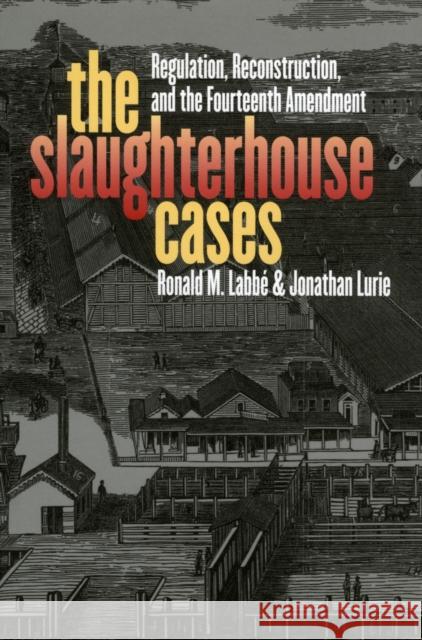
The Fourteenth Amendment to the Constitution, ratified in 1868, sought to protect the rights of the newly freed slaves; but its first important test did not arise until five years later. When it did, it centered on a vitriolic dispute among the white butchers of mid-Reconstruction New Orleans.
The rough-and-tumble world of nineteenth-century New Orleans was a sanitation nightmare, with the city's many slaughterhouses dumping animal remains into neighboring backwaters. When Louisiana finally authorized a monopoly slaughterhouse to bring about sanitation reform, many butchers felt disenfranchised from their livelihoods. Framing their case as an infringement of fundamental rights protected by the new amendment, they flooded the lower courts with nearly 300 suits. The surviving cases that reached the U.S. Supreme Court pitted the butchers' right-to-labor against the state's "police power" to regulate public health. The result was a controversial and long-debated decision that for the first time addressed the meaning and import of the Fourteenth Amendment. Speaking for the slim majority in the Court's 5-4 decision, Justice Samuel F. Miller upheld the state's actions as a fair use of its "police power." Of much greater import, however, was Miller's finding that the Fourteenth Amendment was intended exclusively as a means of protecting and redressing the suffering of former slaves. The result was a very restricted interpretation of the "privileges and immunities," "due process," and "equal protection" clauses of the new amendment. Accustomed to a very limited federal presence in the states, the Court refused to allow the broad terms of a single amendment to alter the existing balance of power between the states and the federal government. In striking contrast, the minority, represented most notably by Justice Stephen Field, claimed that the Fourteenth Amendment had been intended to apply to all Americans, not just former slaves. In particular, the minority contended, it guaranteed the New Orleans butchers a right to equal treatment in the exercise of the police power. The position of the dissenters foreshadowed an aggressive use of the Court's power in the protection of fundamental rights in the future. In The Slaughterhouse Cases, Labb and Lurie take a much needed look at a landmark decision that has been far more cited than closely studied. Engagingly written and insightfully argued, the book provides the most complete analysis yet of this controversial Supreme Court decision, fills a major gap in American history, law, and politics, and sets the standard for all future discussions on the subject.



Czytaj nas na:
Zobacz: Księgarnia Czeska | Wydawnictwo Książkowe Klimaty | Mapa strony | Lista autorów
KrainaKsiazek.PL - Księgarnia Internetowa

KrainaKsiazek.PL - Księgarnia Internetowa

