• Wyszukiwanie zaawansowane
  • Kategorie
  • Kategorie BISAC
  • Książki na zamówienie
  • Promocje
  • Granty
  • Książka na prezent
  • Opinie
  • Pomoc
  • Załóż konto
  • Zaloguj się

The Right Graph: A Manual for Technical and Scientific Authors » książka

zaloguj się | załóż konto
Logo Krainaksiazek.pl

koszyk

konto

szukaj
topmenu
Księgarnia internetowa
Szukaj
Książki na zamówienie
Promocje
Granty
Książka na prezent
Moje konto
Pomoc
 
 
Wyszukiwanie zaawansowane
Pusty koszyk
Bezpłatna dostawa dla zamówień powyżej 20 złBezpłatna dostawa dla zamówień powyżej 20 zł

Kategorie główne

• Nauka
 [2946600]
• Literatura piękna
 [1856966]

  więcej...
• Turystyka
 [72221]
• Informatyka
 [151456]
• Komiksy
 [35826]
• Encyklopedie
 [23190]
• Dziecięca
 [619653]
• Hobby
 [140543]
• AudioBooki
 [1577]
• Literatura faktu
 [228355]
• Muzyka CD
 [410]
• Słowniki
 [2874]
• Inne
 [445822]
• Kalendarze
 [1744]
• Podręczniki
 [167141]
• Poradniki
 [482898]
• Religia
 [510455]
• Czasopisma
 [526]
• Sport
 [61590]
• Sztuka
 [243598]
• CD, DVD, Video
 [3423]
• Technologie
 [219201]
• Zdrowie
 [101638]
• Książkowe Klimaty
 [124]
• Zabawki
 [2473]
• Puzzle, gry
 [3898]
• Literatura w języku ukraińskim
 [254]
• Art. papiernicze i szkolne
 [8170]
Kategorie szczegółowe BISAC

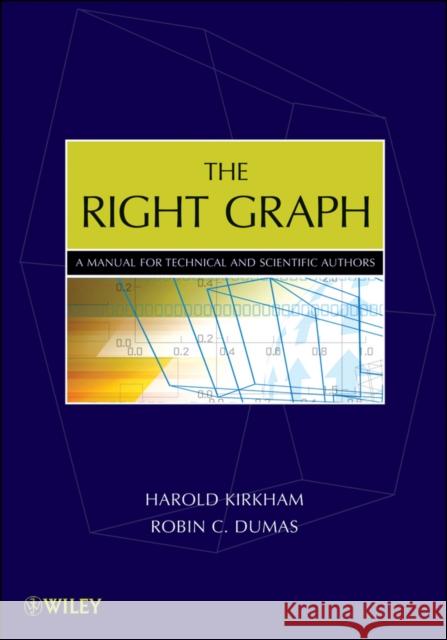
The Right Graph: A Manual for Technical and Scientific Authors

ISBN-13: 9780470405475 / Angielski / Miękka / 2009 / 392 str.
H. Kirkham; Harold Kirkham
The Right Graph: A Manual for Technical and Scientific Authors Kirkham, Harold 9780470405475 Wiley-Interscience - książkaWidoczna okładka, to zdjęcie poglądowe, a rzeczywista szata graficzna może różnić się od prezentowanej.

The Right Graph: A Manual for Technical and Scientific Authors

ISBN-13: 9780470405475 / Angielski / Miękka / 2009 / 392 str.

H. Kirkham; Harold Kirkham
cena 364,84 zł
(netto: 347,47 VAT:  5%)

Najniższa cena z 30 dni: 361,85 zł
Termin realizacji zamówienia:
ok. 30 dni roboczych
Bez gwarancji dostawy przed świętami

Darmowa dostawa!

For technical writers without extensive document design experience, Get Graphic provides basic guidelines and time-saving tips to improve the quality of graphics in technical documents. Though not a complete design course, this book offers practical examples, ideas, rules, a collection of case studies, and end-of-chapter problem sets for technical writers who want to learn good graphical techniques and avoid poor design. Technical authors in academia and industry will appreciate the book s emphasis on both material, questions of graphical content, mechanics, and issues with file formats.


Kategorie:
Technologie
Kategorie BISAC:
Technology & Engineering > Technical Writing
Technology & Engineering > Electrical
Wydawca:
Wiley-Interscience
Język:
Angielski
ISBN-13:
9780470405475
Rok wydania:
2009
Ilość stron:
392
Waga:
0.70 kg
Wymiary:
24.89 x 18.03 x 2.03
Oprawa:
Miękka
Wolumenów:
01
Dodatkowe informacje:
Bibliografia
Wydanie ilustrowane

Preface, ix

1 Basics, 1

What the Book Is About, 1

Some Basics, 2

Definitions, 3

Guidelines, 5

Summary, 31

Exercises, 32

2 Which Kind of Graph?, 35

Choosing a Graph, 37

Trend Plot, 37

Stacked Trend, 40

Pie Chart, 42

Histogram and Bar Chart, 44

Scatter Graphs, 48

Showing Linearity, 50

Regressions, 52

Other Graphs, 54

Summary, 60

Exercises, 61

3 Connecting the Dots, 63

Example 1: Grouped Results, 66

Example 2a: Different Parameters, 68

Example 2b: Different Parameters, 70

Example 3: Missing Data, 70

Example 4: ATrend in Time, 72

Example 5: Interaction with the Axis, 74

Example 6: Histograms in All

But Name, 75

Example 7: Increasing Resolution, 77

Example 8: Showing Noise, 78

Example 9: Leader Lines, 80

Summary, 81

Exercises, 82

4 The Nondata Parts of the Graph, 85

Axes, 92

Captions, 97

Callouts, 100

Summary, 105

Exercises, 106

5 Getting the Most Out of Your Software, 109

Keyboard Shortcuts, 110

Drawing Shortcuts, 111

Line Shortcuts, 112

Object Shortcuts, 115

Lining Things Up, 119

Snap–to–Grid is Your Friend (or Not), 122

Saving Work by Copying, 122

Layout Basics, 130

Inserting Graphics into Microsoft Word, 135

The Trick for Word, 136

Inserting Graphics into

WordPerfect, 139

Summary, 141

Exercises, 143

6 Presentations or How to Succeed in Business, 145

Purpose or Objective, 147

Structure and Outline, 148

Using a Summary, 148

Storyboard, 149

Putting the Presentation Together, 155

Rules for Slides, 155

Backgrounds, 163

Putting the Software to Use, 166

Starting the Talk, 167

The Body of the Talk, 168

Finishing the Talk, 170

Etiquette, 171

Summary, 171

Exercises, 172

7 An Introduction to Spreadsheets, 175

Getting the Numbers, 176

Scope of the Remaining Spreadsheet Chapters, 177

Time Axes, 178

Summary, 179

8 Using Spreadsheets: Excel, 181

Bar Charts, 181

Histograms, 189

Pie Charts, 191

Scatter Graphs, 192

Multiple Series, 196

A Complicated Example, 200

Inserting Data, 203

Floating Bars, 204

Multiple Type: Combining Trend and Histogram, 205

Summary, 207

Exercises, 208

9 Using Spreadsheets: QuattroPro, 211

Bar Charts, 211

Histograms, 217

Pie Charts, 219

Scatter Graphs, 221

Multiple Series, 226

A Complicated Example, 229

Inserting Data, 232

Floating Bars, 233

Multiple Type: Combining Trend and Histogram, 235

Summary, 239

Exercises, 240

10 Fixes Using Graphics Programs, 241

Getting the Graph into a Graphics Program, 241

Maintaining Relationships, 243

Fixing a Pie Chart, 249

Some Excel/PowerPoint Tips, 251

Some QuattroPro/Presentations Tips, 252

Data Manipulation: The Carbon Dioxide Data, 253

Scanning and Tracing, 259

Tracing Example 1: Electron Velocity, 261

Tracing Example 2: Rainfall and Audible Noise, 272

Tracing Example 3: Investment Comparison, 274

Summary, 276

Exercises, 277

11 Something Beginning with "P", 279

Perspective, 279

Perspective: The Technical Approach, 283

Perspective: The Nontechnical Approach, 291

Perspective: The Z Dimension, 293

Patent Drawings, 294

Basic Principles, 295

What Must Be in Your Drawing, 295

Peculiarities of Patent Drawings, 295

Summary, 297

Exercises, 298

12 File Formats and Conversions, 299

Conversion Problems, 299

Two Questions, 300

File Varieties, 301

Back to the Two Questions, 305

A File Taxonomy, 306

A Sample File Format, 306

Some Real Formats: A Quick Look, 309

Filters, 311

Summary, 316

Exercises, 317

13 Style Matters, 319

Developing Your Own Style, 320

Some (General) Alternatives, 323

Your Options, 327

Adapting Somebody Else s Style, 327

Some Advice, 329

Summary, 329

Exercises, 330

14 Case Studies, 333

Case Study Number 1: Voltage Regulator, 333

Case Study Number 2: Baseball Performances, 334

Case Study Number 3: Amplifier Performance, 336

Case Study Number 4: Radio Communication in Ice, 338

Case Study Number 5: Nucleotides in DNA, 343

Case Study Number 6: The Graph Behind the MMR––Autism

Controversy, 347

Summary, 356

Exercises, 357

15 Summaries, 359

Chapter 1: Basics, 359

Chapter 2: Which Kind of Graph? 360

Chapter 3: Connecting the Dots, 361

Chapter 4: The Nondata Parts of the Graph, 362

Chapter 5: Getting the Most Out of Your Software, 363

Chapter 6: Presentations or How to Succeed in Business, 364

Chapter 7: An Introduction to Spreadsheets, 365

Chapter 8: Using Spreadsheets: Excel, 366

Chapter 9: Using Spreadsheets: QuattroPro, 368

Chapter 10: Fixes Using Graphics Programs, 369

Chapter 11: Something Beginning with "P", 370

Chapter 12: File Formats and Conversions, 371

Chapter 13: Style Matters, 372

Chapter 14: Case Studies, 373

Index, 375

Harold Kirkham, PhD, is an engineer at the Jet Propulsion Laboratory. He is a Fellow of the IEEE and has published more than fifty peer–reviewed papers and reports.

Robin C. Dumas is an IT manager at the Jet Propulsion Laboratory. She has a background in computers as well as graphic design and has won several awards from the Society for Technical Communication.

Graphics made easy for technical and scientific authors

Gone are the days of relying on graphic artists to make your work clear and persuasive! This book arms you with all you need to know to conceptualize, create, and incorporate the type of quality graphs and graphics that will help get your scientific and technical papers published.

The authors, both senior staff members at the Jet Propulsion Laboratory, provide straightforward guidance on all the steps to using graphs and graphics to make your case. Some of the useful things you′ll learn include:

  • What kind of graph to use to make what kind of case
  • Whether or not it is appropriate to connect the dots in a graph
  • Efficient ways to use a variety of PC software
  • How to embed artwork in a layout–and what to do if the graphic won′t fit
  • Why file format conversions are sometimes problematic
  • How to edit diagrams for different end–uses
  • Tips on how to get the best results without spending excessive time

Real–world examples illustrate good (and bad) uses of graphs, and problem sets are included at the end of each chapter. If you′re technically adept but not trained in document design, this book is an indispensable treasure trove of knowledge for making your papers publishable, your viewgraphs enjoyable, and your patents understandable.


Udostępnij

Facebook - konto krainaksiazek.pl


Opinie o Krainaksiazek.pl na Opineo.pl

Partner Mybenefit

Krainaksiazek.pl w programie rzetelna firma Krainaksiaze.pl - płatności przez paypal

Czytaj nas na:

Facebook - krainaksiazek.pl
  • książki na zamówienie
  • granty
  • książka na prezent
  • kontakt
  • pomoc
  • opinie
  • regulamin
  • polityka prywatności

Zobacz:

  • Księgarnia czeska

  • Wydawnictwo Książkowe Klimaty

1997-2025 DolnySlask.com Agencja Internetowa

© 1997-2022 krainaksiazek.pl
     
KONTAKT | REGULAMIN | POLITYKA PRYWATNOŚCI | USTAWIENIA PRYWATNOŚCI
Zobacz: Księgarnia Czeska | Wydawnictwo Książkowe Klimaty | Mapa strony | Lista autorów
KrainaKsiazek.PL - Księgarnia Internetowa

Polityka prywatnosci - link
Krainaksiazek.pl - płatnośc Przelewy24
Przechowalnia Przechowalnia






