• Wyszukiwanie zaawansowane
  • Kategorie
  • Kategorie BISAC
  • Książki na zamówienie
  • Promocje
  • Granty
  • Książka na prezent
  • Opinie
  • Pomoc
  • Załóż konto
  • Zaloguj się

The Microbiota in Gastrointestinal Pathophysiology: Implications for Human Health, Prebiotics, Probiotics, and Dysbiosis » książka


zaloguj się | załóż konto
Logo Krainaksiazek.pl

koszyk

konto

szukaj
topmenu
Księgarnia internetowa
Szukaj
Książki na zamówienie
Promocje
Granty
Książka na prezent
Moje konto
Pomoc
 
 
Wyszukiwanie zaawansowane
Pusty koszyk
Bezpłatna dostawa dla zamówień powyżej 20 złBezpłatna dostawa dla zamówień powyżej 20 zł

Kategorie główne

• Nauka
 [2946912]
• Literatura piękna
 [1852311]

  więcej...
• Turystyka
 [71421]
• Informatyka
 [150889]
• Komiksy
 [35717]
• Encyklopedie
 [23177]
• Dziecięca
 [617324]
• Hobby
 [138808]
• AudioBooki
 [1671]
• Literatura faktu
 [228371]
• Muzyka CD
 [400]
• Słowniki
 [2841]
• Inne
 [445428]
• Kalendarze
 [1545]
• Podręczniki
 [166819]
• Poradniki
 [480180]
• Religia
 [510412]
• Czasopisma
 [525]
• Sport
 [61271]
• Sztuka
 [242929]
• CD, DVD, Video
 [3371]
• Technologie
 [219258]
• Zdrowie
 [100961]
• Książkowe Klimaty
 [124]
• Zabawki
 [2341]
• Puzzle, gry
 [3766]
• Literatura w języku ukraińskim
 [255]
• Art. papiernicze i szkolne
 [7810]
Kategorie szczegółowe BISAC

The Microbiota in Gastrointestinal Pathophysiology: Implications for Human Health, Prebiotics, Probiotics, and Dysbiosis

ISBN-13: 9780128040249 / Angielski / Twarda / 2016 / 442 str.
Martin H. Floch
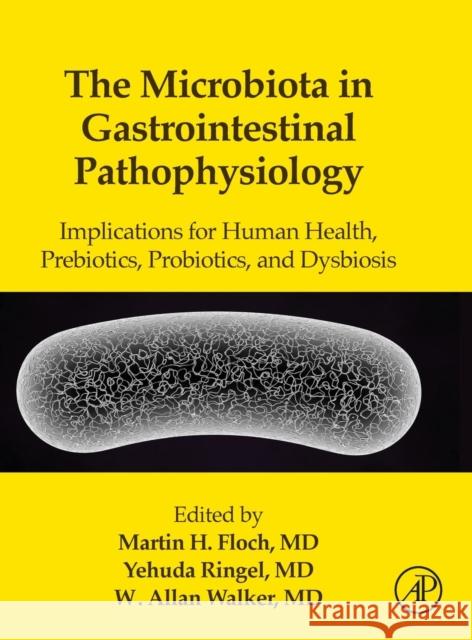
The Microbiota in Gastrointestinal Pathophysiology: Implications for Human Health, Prebiotics, Probiotics, and Dysbiosis Floch, Martin H. 9780128040249 Academic Press - książkaWidoczna okładka, to zdjęcie poglądowe, a rzeczywista szata graficzna może różnić się od prezentowanej.

The Microbiota in Gastrointestinal Pathophysiology: Implications for Human Health, Prebiotics, Probiotics, and Dysbiosis

ISBN-13: 9780128040249 / Angielski / Twarda / 2016 / 442 str.

Martin H. Floch
cena 761,11
(netto: 724,87 VAT:  5%)

Najniższa cena z 30 dni: 757,98
Termin realizacji zamówienia:
ok. 30 dni roboczych
Bez gwarancji dostawy przed świętami

Darmowa dostawa!

The Microbiota in Gastrointestinal Pathophysiology: Implications for Human Health, Prebiotics, Probiotics and Dysbiosis is a one-stop reference on the state-of-the-art research on gut microbial ecology in relation to human disease. This important resource starts with an overview of the normal microbiota of the gastrointestinal tract, including the esophagus, stomach, Ileum, and colon. The book then identifies what a healthy vs. unhealthy microbial community looks like, including methods of identification. Also included is insight into which features and contributions the microbiota make that are essential and useful to host physiology, as is information on how to promote appropriate mutualisms and prevent undesirable dysbioses. Through the power of synthesizing what is known by experienced researchers in the field, current gaps are closed, raising understanding of the role of the microbiome and allowing for further research.

  • Explains how to modify the gut microbiota and how the current strategies used to do this produce their effects
  • Explores the gut microbiota as a therapeutic target
  • Provides the synthesis of existing data from both mainstream and non-mainstream sources through experienced researchers in the field
  • Serves as a 'one-stop' shop for a topic that's currently spread across a number of various journals


Kategorie:
Nauka, Medycyna
Kategorie BISAC:
Medical > Gastroenterologia
Medical > Microbiology
Science > Biologia człowieka
Wydawca:
Academic Press
Język:
Angielski
ISBN-13:
9780128040249
Rok wydania:
2016
Ilość stron:
442
Waga:
1.42 kg
Wymiary:
27.69 x 21.84 x 2.79
Oprawa:
Twarda
Wolumenów:
01
Dodatkowe informacje:
Bibliografia
Wydanie ilustrowane

1. The Upper Gastrointestinal Tract - Esophagus and Stomach
2. Characterizing and Functionally Defining the Gut Microbiota: Methodology and Implications
3. The Microbiota of the Gastrointestinal Tract in Infancy
4. The Methods of Identification of the Microbiota In aged
5. Escherichia coli Nissle 1917
6. Probiotics of the Acidophilus Group: Lactobacillus acidophilus, delbrueckii subsp bulgaricus and johnsonii
7. Lactobacillus rhamnosus, strain GG
8. Lactobacillus reuteri
9. Lactobacillus casei & Lactobacillus paracasei
10. The beneficial influences of Lactobacillus plantarum on human health and disease
11. Use of the Bacillus in Human Intestinal Probiotic Applications
12. Bifidobacteria as Probiotic Organisms: An Introduction
13. Bifidobacterium animalis spp. lactis
14. Bifidobacterium bifidum
15. Bifidobacterium breve
16. Bifidobacterium longum
17. Bifidobacterium longum spp. infantis
18. Saccharomyces boulardii
19. Streptococcus thermophilus [Streptococcus salivarius subsp thermophilus]
20. Complexities and Pitfalls in the Production of Multi-Species Probiotics: The Paradigmatic Case of VSL#3 Formulation and Visbiome
21. The Viruses of the Gut Microbiota
22. Dietary fiber, Soluble and Insoluble, Carbohydrates, Fructose and Lipids
23. Prebiotics, Inulin, and other Oligosaccharides
24. The Benefits of Yogurt, Cultures and Fermentation
25. Dysbiosis
26. Immunologic Response in the Host
27. Gastrointestinal Microbiota and the Nural System
28. Effect on the Host Metabolism
29. Relationship Between Gut Microbiota, Energy Metabolism and Obesity
30. Taxonomic and Metagenomic Alterations of Microbiota in Bariatric Surgery
31. The Influence of Microbiota on Mechanisms of Bariatric Surgery
32. Allergic and Immunologic Disorders
33. Probiotics Use in Infectious Disease (Respiratory, Diarrhea and Antibiotic-Associated Diarrhea)
34. The Use of FMT in Clostridia difficile and Potential Uses
35. Probiotics in the Treatment of Pouchitis
36. Probiotic Treatment in Crohn's Disease
37 Treatment of Inflammatory Bowel Disease in Ulcerative Colitis
38. Treatment of Functional Bowel Disorders with Prebiotics and Probiotics
39. Celiac Disease, the Microbiome and Probiotics
40. Probiotics for the Treatment of Liver Disease
41. The Prevention and Treatment of Radiation and Chemotherapy Induced Intestinal Mucositis
42. The Role of the Brain-Gut-Microbiome in Mental Health and Mental Disorders
43. Probiotics in Bacterial Vaginosis

Dr. Floch is a Clinical Professor of Medicine at Yale University where he recently formed the Fellow's Clinic in the Digestive Disease Section supervising all gastrointestinal trainees in consultation on problem cases. He is a Master of the American College of Gastroenterology (MACG) and an American Gastroenterology Association Fellow (AGAF) as well as a Fellow of the American College of Physicians (FACP). He formerly was Chairman of Medicine at Norwalk Hospital and the Founding Chief of Gastroenterology and Nutrition in Norwalk. He is Editor-in-Chief of Journal of Clinical Gastroenterology and has written five books including the 2nd edition of the textbook "Netter's Gastroenterology”.

Dr. Floch is renowned for his work in gastric and intestinal diseases and probiotics. He lectures nationally and internationally, haven given Grand Rounds at Harvard, Brown, UMass, and UConn among others. He is a consultant to Pfizer, Proctor & Gamble, Dannon, Shire and Biocodex.

His research has been extensive in gastroenterology having had grants from the Armed Forces and National Institute of Health.

Dr. Floch has a FWCI of 1.18 and has the majority (76%) of his content published in gastroenterology journals. 8.7% of his work appears in the top 10% most cited journals worldwide.

Dr. Floch has experience with national, international, institutional and single authorship.

Dr. Ringel has been involved in clinical and translational research related to functional gastrointestinal disorders for over 15 years. His research relates to the effect of clinical, physiological and psychosocial factors on the intestinal physiology and functional gastrointestinal symptoms. He is an expert in clinical research and has been involved in the design, evaluation and conduct of clinical trials evaluating new drugs, dietary and food supplements, and new approaches for diagnosis and treatment of patients with GI disorders. He was awarded two grants from the National Institute of Health (NIDDK) to examine the role of intestinal microbiome and intestinal inflammation and immune function in the pathogenesis of irritable bowel syndrome.

Dr. Ringel is a recipient of several prestigious awards including from the American Gastroenterology Association (AGA), the American College of Gastroenterology (ACG) and the Functional Brain-Gut Research Group (FBG). He is a member of the American Neurogastroenterology and Motility Society (ANMS) Education Committee and an associate editor for the Neurogastroenterology and Motility, Journal of Clinical Gastroenterology, and the World Journal of Gastroenterology.

Dr. Ringel has published multiple original articles, reviews, editorials and book chapters and he is frequently invited to share his experience and present his work at national and international professional and scientific meetings.

Dr. Walker is a professor in the Harvard School of Public Health. His research is focused within the Developmental Gastroenterology Laboratory at Massachusetts General Hospital-East and has been in the development of gastrointestinal host defenses, particularly as they pertain to the role of enteric nutrients.

He has studied the passive and active properties of human breast milk, specifically in the pre-term infant as it relates to necrotizing enterocolitis, a devastating gastrointestinal infection in the neonatal period. He has also developed human models of intestinal development (cell lines, organ cultures, microUssing chambers and fetal intestinal xenografts) to determine the effect of protective nutrients (pre- and probiotics, omega-3 fatty acids, nucleotides, etc.) on stimulating mucosal defenses in the immature intestine and in preventing neonatal diseases.

A major commitment of his lab is to train clinical/postdoctoral fellows in clinical translational research. They collaborative with clinical investigators to translate observations made in human models of intestinal development at the laboratory level, into clinical trials and ultimately to multicenter studies.

Dr. Walker has a FWCI of 2.83 and has 36.2% of his content published in gastroenterology journals. 34.1% of his work appears in the top 10% most cited journals worldwide.

Dr. Walker has experience with national, international, institutional and single authorship.


Udostępnij

Facebook - konto krainaksiazek.pl


Opinie o Krainaksiazek.pl na Opineo.pl

Partner Mybenefit

Krainaksiazek.pl w programie rzetelna firma Krainaksiaze.pl - płatności przez paypal

Czytaj nas na:

Facebook - krainaksiazek.pl
  • książki na zamówienie
  • granty
  • książka na prezent
  • kontakt
  • pomoc
  • opinie
  • regulamin
  • polityka prywatności

Zobacz:

  • Księgarnia czeska

  • Wydawnictwo Książkowe Klimaty

1997-2025 DolnySlask.com Agencja Internetowa

© 1997-2022 krainaksiazek.pl
     
KONTAKT | REGULAMIN | POLITYKA PRYWATNOŚCI | USTAWIENIA PRYWATNOŚCI
Zobacz: Księgarnia Czeska | Wydawnictwo Książkowe Klimaty | Mapa strony | Lista autorów
KrainaKsiazek.PL - Księgarnia Internetowa

Polityka prywatnosci - link
Krainaksiazek.pl - płatnośc Przelewy24
Przechowalnia Przechowalnia






