• Wyszukiwanie zaawansowane
  • Kategorie
  • Kategorie BISAC
  • Książki na zamówienie
  • Promocje
  • Granty
  • Książka na prezent
  • Opinie
  • Pomoc
  • Załóż konto
  • Zaloguj się

The Median Nerve: Motor Conduction Studies » książka


zaloguj się | załóż konto
Logo Krainaksiazek.pl

koszyk

konto

szukaj
topmenu
Księgarnia internetowa
Szukaj
Książki na zamówienie
Promocje
Granty
Książka na prezent
Moje konto
Pomoc
 
 
Wyszukiwanie zaawansowane
Pusty koszyk
Bezpłatna dostawa dla zamówień powyżej 20 złBezpłatna dostawa dla zamówień powyżej 20 zł

Kategorie główne

• Nauka
 [2952079]
• Literatura piękna
 [1850969]

  więcej...
• Turystyka
 [71058]
• Informatyka
 [151066]
• Komiksy
 [35579]
• Encyklopedie
 [23181]
• Dziecięca
 [620496]
• Hobby
 [139036]
• AudioBooki
 [1646]
• Literatura faktu
 [228729]
• Muzyka CD
 [379]
• Słowniki
 [2932]
• Inne
 [445708]
• Kalendarze
 [1409]
• Podręczniki
 [164793]
• Poradniki
 [480107]
• Religia
 [510956]
• Czasopisma
 [511]
• Sport
 [61267]
• Sztuka
 [243299]
• CD, DVD, Video
 [3411]
• Technologie
 [219640]
• Zdrowie
 [100984]
• Książkowe Klimaty
 [124]
• Zabawki
 [2281]
• Puzzle, gry
 [3363]
• Literatura w języku ukraińskim
 [258]
• Art. papiernicze i szkolne
 [8020]
Kategorie szczegółowe BISAC

The Median Nerve: Motor Conduction Studies

ISBN-13: 9783319104720 / Angielski / Twarda / 2014 / 278 str.
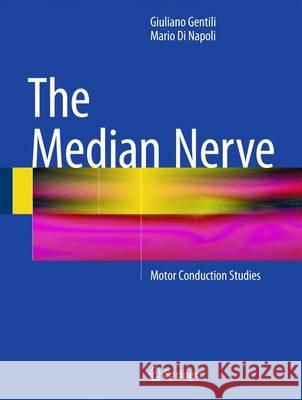
Giuliano Gentili; Mario Di Napoli
The Median Nerve: Motor Conduction Studies Gentili, Giuliano 9783319104720 Springer - książkaWidoczna okładka, to zdjęcie poglądowe, a rzeczywista szata graficzna może różnić się od prezentowanej.

The Median Nerve: Motor Conduction Studies

ISBN-13: 9783319104720 / Angielski / Twarda / 2014 / 278 str.

Giuliano Gentili; Mario Di Napoli
cena 603,81
(netto: 575,06 VAT:  5%)

Najniższa cena z 30 dni: 578,30
Termin realizacji zamówienia:
ok. 22 dni roboczych
Dostawa w 2026 r.

Darmowa dostawa!

This atlas systematically reviews motor conduction studies of the median nerve, from pilot human studies in peripheral nerve conduction during the 1950s through to the most recent scientific evidence. Descriptions are provided of a wealth of motor nerve conduction techniques that were reproduced in the laboratory, including both the originally proposed methods and variants. The techniques are organized according to practical criteria for ease of reference. Attention is focused especially on those techniques which have shown higher sensitivity and specificity in the diagnosis of compressive mononeuropathies like carpal tunnel syndrome (CTS) and on the most widely accepted guidelines, recommendations, quality measures, and electrodiagnostic classifications. The volume is completed with a detailed, well-illustrated glossary explaining the more commonly used terms in electrodiagnostic medicine (EDX). The atlas is primarily intended for residents and professionals in Neurology, as well as rehabilitation physicians and clinical neurophysiologists. The detailed descriptions of techniques and their practical use will also make the book an invaluable tool for novices and clinical neurophysiology technicians.


Kategorie:
Nauka, Medycyna
Kategorie BISAC:
Medical > Neurologia i neurofizjologia kliniczna
Medical > Physical Medicine & Rehabilitation
Psychology > Clinical Psychology
Wydawca:
Springer
Język:
Angielski
ISBN-13:
9783319104720
Rok wydania:
2014
Wydanie:
2015
Ilość stron:
278
Waga:
9.17 kg
Wymiary:
27.9 x 21.0
Oprawa:
Twarda
Wolumenów:
01
Dodatkowe informacje:
Glosariusz/słownik

Introduction.- List of Abbreviations.- Synoptic Table.- Motor Conduction Studies Index (according to practical criteria).- Part I Motor Conduction Studies, The Median Nerve.- M1 Technique from median thenar (MT) muscle; stimulation of the elbow and of the wrist.- M2 Technique from abductor pollicis brevis (APB) and opponens pollicis (OP) muscles; stimulation of the elbow and of the wrist.- M3 Technique from abductor pollicis brevis (APB) muscle; stimulation of the elbow and of the wrist.- M4 Technique from abductor pollicis brevis (APB) muscle; stimulation of the wrist, elbow and of the axilla.- M5 Technique from abductor pollicis brevis (APB) muscle; stimulation of the wrist, elbow and of the axilla.- M6 Technique from opponens pollicis (OP) muscle; stimulation of the wrist and of the elbow.- M7 Technique from abductor pollicis brevis (APB) muscle; stimulation of the wrist, elbow, above elbow and of the Erb’s point.- M8 Technique from median thenar (MT) muscle; stimulation of the wrist and of the elbow.- M9 Technique from abductor pollicis brevis (APB) muscle; stimulation of the wrist and of the elbow.- M10 Technique from median thenar (MT) muscles; stimulation of the wrist, elbow and of the axilla.- M11 Technique from opponens pollicis (OP) muscle; stimulation of the wrist and of the elbow.- M12 Technique from abductor pollicis brevis (APB) muscle; stimulation of the wrist and of the elbow.- M13 Technique from median thenar (MT) and ulnar hypothenar (UH) muscles;  stimulation of the wrist.- M14 Technique from abductor pollicis brevis (APB) muscle; stimulation of the wrist, elbow, axilla and of the Erb’s point.- M15 Technique from abductor pollicis brevis (APB) muscle; stimulation of the elbow, wrist and on the palm.- M16 Technique from abductor pollicis brevis (APB) muscle; stimulation of the palm, wrist and of the elbow.- M17 Technique from flexor carpi radialis (FCR) muscle; stimulation of the elbow.- M18 Technique from median thenar (MT) muscle; stimulation of the elbow and of the wrist.- M19 Technique from flexor carpi radialis (FCR) muscle; stimulation of the elbow.- M20 Technique from second lumbrical (2L) and the abductor pollicis brevis (APB) muscles; stimulation of the wrist.- M21 Technique from abductor pollicis brevis (APB) muscle; stimulation of the wrist.- M22 Technique from abductor pollicis brevis (APB) muscle; stimulation of the wrist and on the palm.- M23 Technique from abductor pollicis brevis (APB) and first dorsal interosseous  (FDI) muscles; stimulation of the wrist.- M24 Technique from abductor pollicis brevis (APB) and abductor digiti minimi (ADM) muscles; stimulation of the wrist.- M25 Technique from first lumbrical (1L) and the abductor pollicis brevis (APB) muscles; stimulation of the wrist.- M26 Technique from flexor carpi radialis (FCR) muscle; stimulation of the elbow.- M27 Technique from second lumbrical (2L) and interossei (INT) muscles; stimulation of the wrist.- M28 Technique from abductor pollicis brevis (APB) muscle; stimulation of the wrist and on the palm.- M29 Technique from abductor pollicis brevis (APB) muscle; stimulation of the wrist and of the elbow.- M30 Technique from median thenar (MT) and ulnar thenar (UT) muscles; stimulation of the wrist.- M31 Technique from abductor pollicis brevis (APB) muscle; stimulation of the wrist, elbow, mid-arm and of the axilla.- M32 Technique from abductor pollicis brevis (APB) muscle; stimulation of the palm, wrist and of the elbow.- M33 Technique from abductor pollicis brevis (APB) muscle; stimulation of the wrist and of the elbow.- M34 Technique from medial thenar motor (MTM) muscle; stimulation of the wrist.- M35 Technique from abductor pollicis brevis (APB) muscle; stimulation of the wrist and of the elbow.- M36 Technique from second lumbrical (2L) muscle; stimulation of the palm, distal forearm and of the elbow.- Part II Motor Conduction Studies, Anterior Interosseous Nerve (motor branch of the median nerve).- A1 Technique from pronator quadratus (PQ) muscle; stimulation above the elbow and below the elbow.- A2 Technique from flexor pollicis longus (FPL) muscle; stimulation of the elbow.- A3 Technique from pronator quadratus (PQ) muscle; stimulation of the elbow.- A4 Technique from pronator quadratus (PQ) and from abductor pollicis brevis (APB) muscles; stimulation of the wrist.- A5 Technique from flexor pollicis longus (FPL) muscle; stimulation of the elbow.- Glossary.- Subject Index.

Giuliano Gentili has been a Senior Clinical Neurophysiology Technician in the Neurology Service at San Camillo de’ Lellis General Hospital, Rieti, Italy, since 2010. He previously served as Professor at the University of Rome “La Sapienza” – S. Andrea Policlinic” of Rome, where he was responsible for the Clinical Neurophysiology Technology Program covering “Coma and brain death recording techniques”, “Evoked potentials (EP): recording techniques”, and “Electroencephalography (EEG): recording techniques”. He was also a Commission Member on the Clinical Neurophysiology Technology Program – graduation examination.

Mario Di Napoli has been a Senior Neurology Consultant in the Neurology Service at San Camillo de’ Lellis General Hospital, Rieti, Italy, since 2008. His main fields of research are cerebrovascular disease, neuroinflammation, aging, stroke, preclinical and clinical research, therapeutic strategies, neuroregeneration, neurophysiology, and neurophysiological techniques. Dr. Di Napoli is Editor-in-Chief for Reviews in Health Care and a member of the editorial boards of ISBN Stroke and ISRN Inflammation. He is a longstanding member of the Neurosonology Research Group of the World Federation of Neurology.

This atlas systematically reviews motor conduction studies of the median nerve, from pilot human studies in peripheral nerve conduction during the 1950s through to the most recent scientific evidence. Descriptions are provided of a wealth of motor nerve conduction techniques that were reproduced in the laboratory, including both the originally proposed methods and variants. The techniques are organized according to practical criteria for ease of reference. Attention is focused especially on those techniques which have shown higher sensitivity and specificity in the diagnosis of compressive mononeuropathies like carpal tunnel syndrome (CTS)and on the most widely accepted guidelines, recommendations, quality measures, and electrodiagnostic classifications. The volume is completed with a detailed, well-illustrated glossary explaining the more commonly used terms in electrodiagnostic medicine (EDX). The atlas is primarily intended for residents and professionals in Neurology, as well as rehabilitation physicians and clinical neurophysiologists. The detailed descriptions of techniques and their practical use will also make the book an invaluable tool for novices and clinical neurophysiology technicians.




Udostępnij

Facebook - konto krainaksiazek.pl


Opinie o Krainaksiazek.pl na Opineo.pl

Partner Mybenefit

Krainaksiazek.pl w programie rzetelna firma Krainaksiaze.pl - płatności przez paypal

Czytaj nas na:

Facebook - krainaksiazek.pl
  • książki na zamówienie
  • granty
  • książka na prezent
  • kontakt
  • pomoc
  • opinie
  • regulamin
  • polityka prywatności

Zobacz:

  • Księgarnia czeska

  • Wydawnictwo Książkowe Klimaty

1997-2025 DolnySlask.com Agencja Internetowa

© 1997-2022 krainaksiazek.pl
     
KONTAKT | REGULAMIN | POLITYKA PRYWATNOŚCI | USTAWIENIA PRYWATNOŚCI
Zobacz: Księgarnia Czeska | Wydawnictwo Książkowe Klimaty | Mapa strony | Lista autorów
KrainaKsiazek.PL - Księgarnia Internetowa

Polityka prywatnosci - link
Krainaksiazek.pl - płatnośc Przelewy24
Przechowalnia Przechowalnia




