• Wyszukiwanie zaawansowane
  • Kategorie
  • Kategorie BISAC
  • Książki na zamówienie
  • Promocje
  • Granty
  • Książka na prezent
  • Opinie
  • Pomoc
  • Załóż konto
  • Zaloguj się

The Making of Modern Science: Science, Technology, Medicine and Modernity: 1789-1914 » książka


zaloguj się | załóż konto
Logo Krainaksiazek.pl

koszyk

konto

szukaj
topmenu
Księgarnia internetowa
Szukaj
Książki na zamówienie
Promocje
Granty
Książka na prezent
Moje konto
Pomoc
 
 
Wyszukiwanie zaawansowane
Pusty koszyk
Bezpłatna dostawa dla zamówień powyżej 20 złBezpłatna dostawa dla zamówień powyżej 20 zł

Kategorie główne

• Nauka
 [2949965]
• Literatura piękna
 [1857847]

  więcej...
• Turystyka
 [70818]
• Informatyka
 [151303]
• Komiksy
 [35733]
• Encyklopedie
 [23180]
• Dziecięca
 [617748]
• Hobby
 [139972]
• AudioBooki
 [1650]
• Literatura faktu
 [228361]
• Muzyka CD
 [398]
• Słowniki
 [2862]
• Inne
 [444732]
• Kalendarze
 [1620]
• Podręczniki
 [167233]
• Poradniki
 [482388]
• Religia
 [509867]
• Czasopisma
 [533]
• Sport
 [61361]
• Sztuka
 [243125]
• CD, DVD, Video
 [3451]
• Technologie
 [219309]
• Zdrowie
 [101347]
• Książkowe Klimaty
 [123]
• Zabawki
 [2362]
• Puzzle, gry
 [3791]
• Literatura w języku ukraińskim
 [253]
• Art. papiernicze i szkolne
 [7933]
Kategorie szczegółowe BISAC

The Making of Modern Science: Science, Technology, Medicine and Modernity: 1789-1914

ISBN-13: 9780745636764 / Angielski / Miękka / 2009 / 272 str.
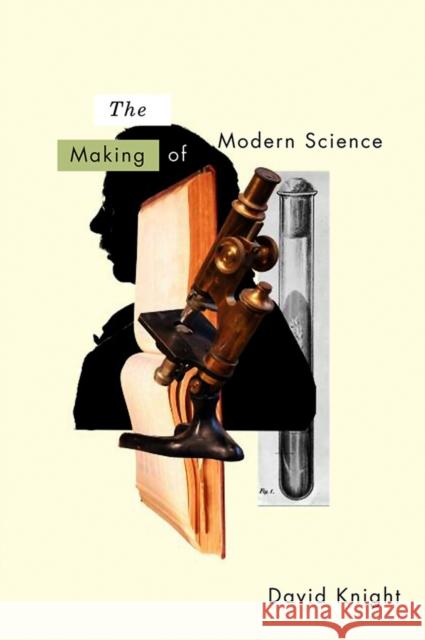
David Knight
The Making of Modern Science: Science, Technology, Medicine and Modernity: 1789-1914 Knight, David 9780745636764  - książkaWidoczna okładka, to zdjęcie poglądowe, a rzeczywista szata graficzna może różnić się od prezentowanej.

The Making of Modern Science: Science, Technology, Medicine and Modernity: 1789-1914

ISBN-13: 9780745636764 / Angielski / Miękka / 2009 / 272 str.

David Knight
cena 128,31 zł
(netto: 122,20 VAT:  5%)

Najniższa cena z 30 dni: 127,00 zł
Termin realizacji zamówienia:
ok. 30 dni roboczych
Bez gwarancji dostawy przed świętami

Darmowa dostawa!
inne wydania

Of all the inventions of the nineteenth century, the scientist is one of the most striking. In revolutionary France the science student, taught by men active in research, was born; and a generation later, the graduate student doing a PhD emerged in Germany. In 1833 the word 'scientist' was coined; forty years later science (increasingly specialised) was a becoming a profession. Men of science rivalled clerics and critics as sages; they were honoured as national treasures, and buried in state funerals. Their new ideas invigorated the life of the mind. Peripatetic congresses, great exhibitions, museums, technical colleges and laboratories blossomed; and new industries based on chemistry and electricity brought prosperity and power, economic and military. Eighteenth-century steam engines preceded understanding of the physics underlying them; but electric telegraphs and motors were applied science, based upon painstaking interpretation of nature. The ideas, discoveries and inventions of scientists transformed the world: lives were longer and healthier, cities and empires grew, societies became urban rather than agrarian, the local became global. And by the opening years of the twentieth century, science was spreading beyond Europe and North America, and women were beginning to be visible in the ranks of scientists.

Bringing together the people, events, and discoveries of this exciting period into a lively narrative, this book will be essential reading both for students of the history of science and for anyone interested in the foundations of the world as we know it today.


Kategorie:
Nauka, Historia
Kategorie BISAC:
Science > History
Technology & Engineering > History
Medical > Historia medycyny
Język:
Angielski
ISBN-13:
9780745636764
Rok wydania:
2009
Ilość stron:
272
Waga:
0.68 kg
Wymiary:
23.11 x 15.75 x 3.05
Oprawa:
Miękka
Wolumenów:
01
Dodatkowe informacje:
Bibliografia
Wydanie ilustrowane

"Knight loves science and he loves history. This work is a splendid example of how to communicate that enthusiasm."
British Journal for the History of Science

"A fine synthesis, the fruit of a lifetime′s study and reflection, which should prompt some readers to begin a lifetime study of their own."
Times Higher Education

"A superb history of the discipline."
The Diplomat

"A magisterial survey. For anyone who has experienced the delight of hearing Knight deliver a public lecture, reading this will summon up his mellifluous voice as though he were standing in the same room."
Metascience

"Replete with insight and astute synthesis. It conveys the excitement of science and of its history."
Social History of Medicine

"Knight ably discusses the various threads in this complex story, his description of the people and events which shaped the scientific developments are always interesting, and his interpretation of the philosophical and cultural changes are always insightful. Knight has a lot to offer any reader interested in how the profession established itself as one for skilled minds ... This book is well researched and well written and is to be recommended to anyone interested in how science and scientists emerged in the 20th century."
Chemistry World

"The book is replete with insight and astute synthesis. It conveys the excitement of science and of its history."
Social History of Medicine

"David Knight has long delighted his readers with books on the history of science that have been both instructive and entertaining. Here he draws on a lifetime′s study to explain how science – as a practical, intellectually challenging, and socially diverse activity – gained its cultural importance in the long nineteenth–century. Warmly recommended."
John Hedley Brooke, Andreas Idreos Professor Emeritus of Science & Religion, University of Oxford

"David Knight′s latest book is a glittering magnum opus in which he describes the professionalization of science by drawing on examples from various disciplines. The writing is erudite, lucid and upbeat. The book is a social history, an institutional history and an internal history all in one, and it is gratifying to see chemistry assuming a rather central position in the story."
Eric Scerri, author of The Periodic Table, Its Story and Its Significance

"This book is a pleasure to read: light in style, yet incisive, informative, and even profound. With a few well–chosen words Knight can conjure up a Huxley or a Faraday, or explain the problems scientists faced in understanding the variety of human ′races′. His explanations of scientific issues go to the heart of the matter and are never weighed down with detail. I can′t think of a better or more rounded introduction to the history of nineteenth–century science."
Geoffrey Cantor, University of Leeds


List of Illustrations vi

Preface: The Age of Science viii

Acknowledgements xiii

Introduction: Approaching the Past 1

1 Science in and after 1789 12

2 Science and its Languages 33

3 Applied Science 56

4 Intellectual Excitement 82

5 Healthy Lives 105

6 Laboratories 129

7 Bodies, Minds and Spirits 151

8 The Time of Triumph 172

9 Science and National Identities 195

10 Method and Heresy 217

11 Cultural Leadership 238

12 Into the New Century 264

Timeline 283

Notes and References 289

Index 353

David Knight is Emeritus Professor of History and Philosophy of Science at Durham University.

Of all the inventions of the nineteenth century, the scientist is one of the most striking. In revolutionary France the science student, taught by men active in research, was born; and a generation later, the graduate student doing a PhD emerged in Germany. In 1833 the word ′scientist′ was coined; forty years later science (increasingly specialised) was a becoming a profession. Men of science rivalled clerics and critics as sages; they were honoured as national treasures, and buried in state funerals. Their new ideas invigorated the life of the mind. Peripatetic congresses, great exhibitions, museums, technical colleges and laboratories blossomed; and new industries based on chemistry and electricity brought prosperity and power, economic and military. Eighteenth–century steam engines preceded understanding of the physics underlying them; but electric telegraphs and motors were applied science, based upon painstaking interpretation of nature. The ideas, discoveries and inventions of scientists transformed the world: lives were longer and healthier, cities and empires grew, societies became urban rather than agrarian, the local became global. And by the opening years of the twentieth century, science was spreading beyond Europe and North America, and women were beginning to be visible in the ranks of scientists.

Bringing together the people, events, and discoveries of this exciting period into a lively narrative, this book will be essential reading both for students of the history of science and for anyone interested in the foundations of the world as we know it today.




Udostępnij

Facebook - konto krainaksiazek.pl


Opinie o Krainaksiazek.pl na Opineo.pl

Partner Mybenefit

Krainaksiazek.pl w programie rzetelna firma Krainaksiaze.pl - płatności przez paypal

Czytaj nas na:

Facebook - krainaksiazek.pl
  • książki na zamówienie
  • granty
  • książka na prezent
  • kontakt
  • pomoc
  • opinie
  • regulamin
  • polityka prywatności

Zobacz:

  • Księgarnia czeska

  • Wydawnictwo Książkowe Klimaty

1997-2025 DolnySlask.com Agencja Internetowa

© 1997-2022 krainaksiazek.pl
     
KONTAKT | REGULAMIN | POLITYKA PRYWATNOŚCI | USTAWIENIA PRYWATNOŚCI
Zobacz: Księgarnia Czeska | Wydawnictwo Książkowe Klimaty | Mapa strony | Lista autorów
KrainaKsiazek.PL - Księgarnia Internetowa

Polityka prywatnosci - link
Krainaksiazek.pl - płatnośc Przelewy24
Przechowalnia Przechowalnia



