Termin realizacji zamówienia: ok. 22 dni roboczych.
Darmowa dostawa!
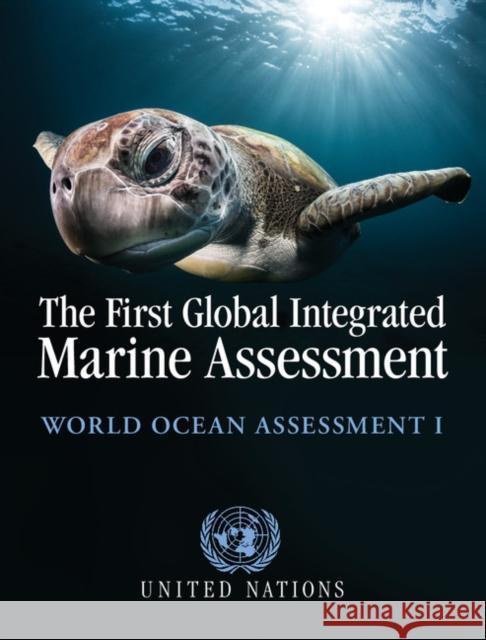
This United Nations report examines the current state of knowledge of the world's oceans, for policymakers, and provides a reference for marine science courses.
'The First Global Integrated Marine Assessment has arrived at a critical time. Never before has it been possible to acquire the depth and breadth of information gathered in this masterful compilation. Never again will there be a better time to apply the knowledge presented here to develop policies that will enable humankind to make peace with the natural ocean systems that underpin everything we care about, including our own existence.' Sylvia Earle, Explorer in Residence at National Geographic, Founder of Mission Blue, and Founder of Deep Ocean Exploration and Research (DOER)
Foreword; Preface; Part I. Summary of the First Global Integrated Marine Assessment; Part II. The Context of the Assessment: 1. Introduction: planet, oceans and life; 2. Mandate, information sources and method of work; Part III. Assessment of Major Ecosystem Services from the Marine Environment: 3. Scientific understanding of ecosystem services; 4. The ocean's role in the hydrological cycle; 5. Sea-air interactions; 6. Primary production, cycling of nutrients, surface layer and plankton; 7. Calcium carbonate production and contribution to coastal sediments; 8. Aesthetic, cultural, religious and spiritual ecosystem services derived from the marine environment; 9. Conclusions on major ecosystem services other than provisioning services; Part IV. Assessment of the Cross-Cutting Issues: Food Security and Food Safety: 10. The oceans as a source of food; 11. Capture fisheries; 12. Aquaculture; 13. Fish stock propagation; 14. Seaweeds; 15. Social and economic aspects of sea-based food and fisheries; 16. Synthesis of Part IV: food security and safety; Part V. Assessment of Other Human Activities and the Marine Environment: 17. Shipping; 18. Ports; 19. Submarine cables and pipelines; 20. Coastal, riverine and atmospheric inputs from land; 21. Offshore hydrocarbon industries; 22. Other marine-based energy industries; 23. Offshore mining industries; 24. Solid waste disposal; 25. Marine debris; 26. Land-sea physical interaction; 27. Tourism and recreation; 28. Desalinization; 29. Use of marine genetic resources; 30. Marine scientific research; 31. Conclusions on other human activities; 32. Capacity-building in relation to human activities affecting the marine environment; Part VI. Assessment of Marine Biological Diversity and Habitats: 33. Introduction; Section A. Overview of Marine Biological Diversity: 34. Global patterns in marine biodiversity; 35. Extent of assessment of marine biological diversity; 36. Overview of marine biological diversity; Section B. Marine Ecosystems, Species and Habitats Scientifically Identified as Threatened, Declining or Otherwise in Need of Special Attention or Protection; I. Marine Species: 37. Marine mammals; 38. Seabirds; 39. Marine reptiles; 40. Sharks and other elasmobranchs; 41. Tunas and bill fishes; II. Marine Ecosystems and Habitats: 42. Cold-water corals; 43. Tropical and sub-tropical coral reefs; 44. Estuaries and deltas; 45. Hydrothermal vents and cold seeps; 46. High-latitude ice and the biodiversity dependent on it; 47. Kelp forests and seagrass meadows; 48. Mangroves; 49. Salt marshes; 50. Sargasso sea; 51. Biological communities on seamounts and other submarine features potentially threatened by disturbance; Section C. Environmental, Economic and/or Social Aspects of the Conservation of Marine Species and Habitats and Capacity-Building Needs: 52. Synthesis of Part VI: marine biological diversity and habitats; 53. Capacity-building needs in relation to the status of species and habitats; Part VII. Overall Assessment: 54. Overall assessment of human impact on the oceans; 55. Overall value of the oceans to humans; Annex I. List of contributors and commentators; Annex II. Glossary; Annex III. Acronyms.