The End of Innocence: The 1964-1965 New York World's Fair » książka





The End of Innocence: The 1964-1965 New York World's Fair
ISBN-13: 9780815608905 / Angielski / Twarda / 2007 / 243 str.
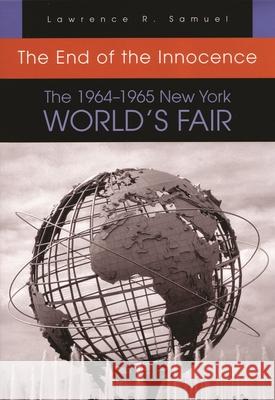
From April to October in 1964 and 1965, some 52 million people from around the world flocked to the New York World s Fair, an experience that lives on in the memory of many individuals and in America s collective consciousness. Taking a perceptive look back at "the last of the great world s fairs," Lawrence R. Samuel offers a thought-provoking portrait of this seminal event and of the cultural climate that surrounded it. Compared to its predecessors the fair was, he suggests, "the ugly duckling of global expositions." Sheer attendance made it one of the most popular of these fairs, but its place in the chronology of our nation earned it a more sobering distinction. Opening five months after President Kennedy s assassination, the fair allowed millions to celebrate international brotherhood while the conflict in Vietnam came to a boil. This event was perhaps the last time so many from so far could gather to praise harmony while ignoring cruel realities on such a gargantuan scale. This World s Fair glorified the postwar American dream of limitless optimism even as a counterculture of sex, drugs, and rock n roll came into being. It could rightly have been called the last gasp of that dream: The End of the Innocence.
Samuel s work charts the birth of the fair from inception in 1959 to demolition in 1966 and provides a broad overview of the social and cultural dynamics that led to the birth of the event. It also traces events and thematic aspects of the fair, with its focus on science, technology, and the world of the future. Accessible, entertaining, and informative, the book contains an abundance of photographs and relies largely on the words of contemporary journalists and materials drawn from exhibitors."




Czytaj nas na:
KrainaKsiazek.PL - Księgarnia Internetowa


