The Designed Self: Psychoanalysis and Contemporary Identities » książka





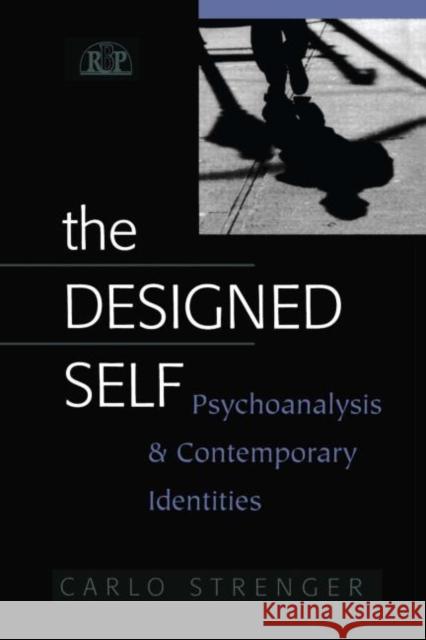
The Designed Self: Psychoanalysis and Contemporary Identities
ISBN-13: 9780881634198 / Angielski / Twarda / 2004 / 222 str.
The Designed Self: Psychoanalysis and Contemporary Identities
ISBN-13: 9780881634198 / Angielski / Twarda / 2004 / 222 str.
(netto: 233,18 VAT: 5%)
Najniższa cena z 30 dni: 241,34
ok. 22 dni roboczych.
Darmowa dostawa!
What can contemporary psychoanalysis bring to the understanding of Generation X, a cohort for whom the trivialization of a dizzying array of possible experiences teamed with the pressure to lead spectacular lives often leads to diffuse feelings of confusion, depression, and disorientation? In The Designed Self: Psychoanalysis and Contemporary Identities, Carlo Strenger explores the psychology of young adults for whom the weight of cultural, familial, and religious traditions has seemingly vanished. These young people have grown up in a cultural universe defined largely by their contemporaries, and their maturational path is charted less by conflicts with authority than by the imperative to design thy self. The Designed Self chronicles Strenger's therapeutic encounters with five extraordinarily gifted young adults for whom the ideal of authenticity long associated with the Baby-Boom generation was supplanted by the need to experiment endlessly with the self. Perpetual self-experimentation, constantly reinforced by the media, came to encompass everything from career choice, to hair color, to body shape, to gender identity. the absence of any sense of cultural continuity with their parents' generation was exemplified by embrace of a Nobrow culture that rejected the very distinction between genuine and popular culture. And we meet patients for whom the project of shaping the self had become a cultural imperative no less than an expression of individuality. In all five cases, Strenger acquired therapeutic leverage by attending to the dark side of his GenXers' sense of self-creating empowerment. Analytic inquiry led to the fatherlessness that accompanied the absence of clearly felt authority; to the terror of aging that coexisted with postadolescent norms of sexual attractiveness; to the sense of financial failure plaguing those who fell short of the well-publicized success stories of their cultural icons; and to the dilemma signaled by the competing pulls of ethnic identity and the desire to be part of the global village. process of identity formation in GenXers, Strenger takes up a task central to analytic theorists of earlier generations but much neglected in recent years: The shaping impact of cultural experience on psychological development. His case presentations achieve added power and poignancy owing to his own cultural milieu: Israeli urban society, where cultural and ethnic tensions have long had heightened impact on young adults. At once insightful and cautionary, The Designed Self investigates how psychoanalysis must change if it is to claim cultural relevance and therapeutic effectiveness in The Age of the Designed Self.




Czytaj nas na:
KrainaKsiazek.PL - Księgarnia Internetowa


