


ISBN-13: 9783319902999 / Angielski / Twarda / 2018 / 206 str.
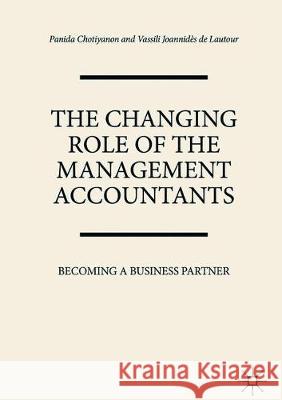
Using a practice theory approach the book analyzes the work life stories of four financial practitioners who have been working for thirteen to twenty five years during the period of 1973 to 2015 and explains how their work identities are constituted in the practices over the years.
Table of Contents
Acknowledgement
Introduction
Brief Contents
List of Tables
List of Figures
List of Key Definitions
List of Chapters
PART I: The Emerging New Role and the Self-orienting Process
1. The Emergence of Business-oriented Role
1.1. The Emergence of business-oriented role of management accountants
1.1.1. Sociopolitical and economic influences
1.1.2. Organizational changes
1.1.3. The agentive force
1.2. Business orientation of the management accountants
1.2.1. General self-orienting strategies
1.2.2. Self-orientation in everyday life
1.2.3. Self-orienting in cultural context
1.2.4. Self-orienting, culture and past practices
1.2.5. Self-orienting as a life journey
2. Self-orienting Process and Schatzki’s Lens
2.1. The Turn to Practices
2.1.1. Institutional Theory Study
2.1.2. Foucauldian study
2.1.3. The Actor-Network Theory Study
2.1.4. Bourdieu’s Practice Theory Study
2.1.5. Giddens’ Structuration Theory Study
2.2. Taking stock
2.3. Schatzki’s Practice Theory
2.3.1. Practices as the “site of social”
2.3.2. Practices perpetuating through variations
2.3.3. Practice memory linking activities across time
2.3.4. Self-orienting, teleoaffective structures orchestrating
2.3.5. Self-Orienting, teleoaffective structure, practice memory, cultural memory
3. Business Partner Developing Model
3.1. Conceptualize the self-orienting process
3.1.1. Becoming finance apprentice
3.1.2. Becoming finance expert
3.1.3. Becoming business partner
3.2. Self-orienting process, teleoaffective structure
3.3. The “turning point" and affectivity
3.4. Self-orienting, organizational and cultural context, past practice and affectivity
3.5. Self-orienting study, the longitudinal approach
PART II: Self-orienting Process: the Lifelong Experiences
4. Corporate Financial Service Career
4.1. Becoming the CPA (2002-2005)
4.2. Becoming the financial analyst (2008-2010)
4.3. Becoming the category analysis manager (2011-2014)
4.4. Becoming Indochina finance manager (2015)
4.5. The lifelong self-orienting process
4.5.1. Self-orienting process, teleoaffective structure
4.5.2. Self-orienting, personal characteristics, and affectivity
4.5.3. Self-orienting, the cultural context and affectivity
5. Financial Planning and Analysis Career
5.1. Becoming the credit assistant (2002-2006)
5.2. Becoming the credit assessment and control assistant (2009)
5.3. Becoming the category analysis manager (2010-2012)
5.4. Becoming the financial planning and analysis manager (2012-present)
5.5. The lifelong self-orienting process
5.5.1. Self-orienting process, teleoaffective structure
5.5.2. Self-orienting, personal characteristics, and affectivity
5.5.3. Self-orienting, the cultural context and affectivity
6. Commercial Finance Career
6.1. Becoming the controller (1990-1999)
6.2. Becoming the budget manager (2000-2006)
6.3. Becoming the associate director-commercial finance (2007-2012)
6.4. Becoming the commercial finance director-Asia (2013-present)
6.5. The lifelong self-orienting process
6.5.1. Self-orienting process, teleoaffective structure
6.5.2. Self-orienting, personal characteristics, and affectivity
6.5.3. Self-orienting, the cultural context and affectivity
7. Management Control Career
7.1. Becoming the planning manager (1973-1975)
7.2. Becoming the finance & account manager (1976-1978)
7.3. Becoming the deputy administration manager (1979-1981)
7.4. Becoming the CECO director (1982-1997)
7.5. The lifelong self-orienting process
7.5.1. Self-orienting process, teleoaffective structure
7.5.2. Self-orienting, personal characteristics, and affectivity
7.5.3. Self-orienting, the cultural context and affectivity
PART III: Crafting an Orientation Program
8. Business Partner Development Program
8.1. The crucial role of the mentor and the sponsor
8.2. Planning and executing of the career development program
8.2.1. Pre-managerial stage
8.2.2. Managerial stage
8.2.3. Post-managerial
8.3. Management consideration and challenges
9. Conclusion
References
Index
Vassili Joannidès de Lautour is an Associate Professor of Management Control at Grenoble École de Management, France and Queensland University of Technology, Australia. His research interests concern the religious foundations of contemporary accounting technologies and practices. Vassili is also an associate editor of the Journal of Accounting & Organizational Change and a board member of numerous other journals.
This book presents a comprehensive and holistic study on being a financial practitioner today. Using a practice theory approach, the book analyzes the work life stories of four financial practitioners who have been working between 13 and 25 years during the period of 1973 to 2015 and explains how their work identities are constituted in the practices throughout the years. It clarifies the public image of the management accountants and provides a better understanding of today’s management accountants—who they are and how they are formed—while theorizing on how to develop the next generation.
1997-2026 DolnySlask.com Agencja Internetowa












