• Wyszukiwanie zaawansowane
  • Kategorie
  • Kategorie BISAC
  • Książki na zamówienie
  • Promocje
  • Granty
  • Książka na prezent
  • Opinie
  • Pomoc
  • Załóż konto
  • Zaloguj się

Textile-Led Design for the Active Ageing Population » książka


zaloguj się | załóż konto
Logo Krainaksiazek.pl

koszyk

konto

szukaj
topmenu
Księgarnia internetowa
Szukaj
Książki na zamówienie
Promocje
Granty
Książka na prezent
Moje konto
Pomoc
 
 
Wyszukiwanie zaawansowane
Pusty koszyk
Bezpłatna dostawa dla zamówień powyżej 20 złBezpłatna dostawa dla zamówień powyżej 20 zł

Kategorie główne

• Nauka
 [2946600]
• Literatura piękna
 [1856966]

  więcej...
• Turystyka
 [72221]
• Informatyka
 [151456]
• Komiksy
 [35826]
• Encyklopedie
 [23190]
• Dziecięca
 [619653]
• Hobby
 [140543]
• AudioBooki
 [1577]
• Literatura faktu
 [228355]
• Muzyka CD
 [410]
• Słowniki
 [2874]
• Inne
 [445822]
• Kalendarze
 [1744]
• Podręczniki
 [167141]
• Poradniki
 [482898]
• Religia
 [510455]
• Czasopisma
 [526]
• Sport
 [61590]
• Sztuka
 [243598]
• CD, DVD, Video
 [3423]
• Technologie
 [219201]
• Zdrowie
 [101638]
• Książkowe Klimaty
 [124]
• Zabawki
 [2473]
• Puzzle, gry
 [3898]
• Literatura w języku ukraińskim
 [254]
• Art. papiernicze i szkolne
 [8170]
Kategorie szczegółowe BISAC

Textile-Led Design for the Active Ageing Population

ISBN-13: 9780857095381 / Angielski / Twarda / 2014 / 574 str.
J McCann
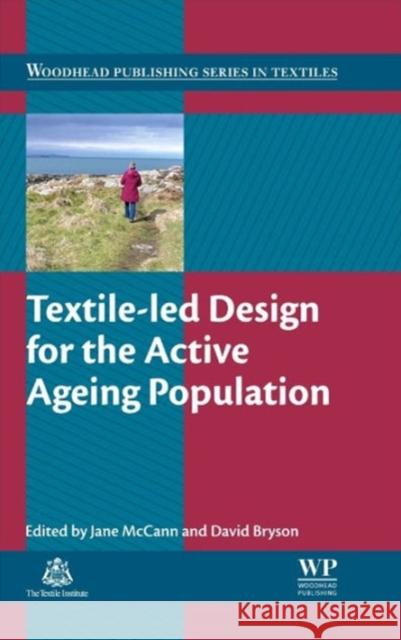
Textile-Led Design for the Active Ageing Population McCann, J. 9780857095381 Elsevier Science & Technology - książkaWidoczna okładka, to zdjęcie poglądowe, a rzeczywista szata graficzna może różnić się od prezentowanej.

Textile-Led Design for the Active Ageing Population

ISBN-13: 9780857095381 / Angielski / Twarda / 2014 / 574 str.

J McCann
cena 999,95 zł
(netto: 952,33 VAT:  5%)

Najniższa cena z 30 dni: 989,72 zł
Termin realizacji zamówienia:
ok. 30 dni roboczych
Bez gwarancji dostawy przed świętami

Darmowa dostawa!

Despite the world's aging population, suitable clothing for the older community is a largely neglected area. This book considers the needs of the growing number of active older people and investigates how recent developments in textiles, fibres, finishes, design and integrated technology can be deployed to serve this group and improve quality of life. Part I provides an understanding of the active aging population by considering the group's experiences of and attitudes towards clothing and reviewing the barriers to their adoption of new wearable technologies. Part II focuses on the needs of the older population, including effective communication with designers and the age-related anatomical and physiological changes that designs should consider. Part III reviews design requirements and processes, and finally Part IV reviews the manufacture of suitable apparel, with chapters on suitable textile fibres, balancing technology and aesthetics and wearable electronics.

  • Summarises the wealth of recent research on attitudes to clothing amongst the active ageing population
  • Looks into how their aspirations can be investigated and appropriate apparel designed to meet their needs
  • Examines design and manufacturing issues, including ways of accommodating physiological changes with age and the use of wearable electronics


Kategorie:
Technologie
Kategorie BISAC:
Technology & Engineering > Textiles & Polymers
Social Science > Gerontology
Crafts & Hobbies > Sewing
Wydawca:
Elsevier Science & Technology
Język:
Angielski
ISBN-13:
9780857095381
Rok wydania:
2014
Ilość stron:
574
Waga:
1.02 kg
Wymiary:
16.1 x 23.6 x 3.9
Oprawa:
Twarda

  • The Textile Institute and Woodhead Publishing
  • List of contributors
  • Woodhead Publishing Series in Textiles
  • Part One. Understanding the active ageing population
    • 1. Technological culture and the active ageing: a lifetime of technological advances
      • 1.1. Introduction
      • 1.2. Learning and teaching
      • 1.3. Photography, audiovisual technologies, and e-learning
      • 1.4. Implications for the active ageing
      • 1.5. Conclusions
      • 1.6. Sources of further information and advice
    • 2. Clothing, identity, embodiment and age
      • 2.1. Introduction: clothing, social identity and age
      • 2.2. Age ordering
      • 2.3. Age-related clothing
      • 2.4. The changing cultural location of older people
      • 2.5. Baby boomers
      • 2.6. Casual dress
      • 2.7. Adjusting the cut
      • 2.8. Conclusion
    • 3. Attitudes to apparel amongst the baby boomer generation
      • 3.1. Introduction
      • 3.2. The baby boomers and the growth of marketing
      • 3.3. Baby boomers and their interaction with apparel and textiles
      • 3.4. Market implications
      • 3.5. Current lifestyle trends for the baby boomers and product needs for the future
      • 3.6. Conclusion
    • 4. The importance of colour in textiles and clothing for an ageing population
      • 4.1. Introduction
      • 4.2. Attitudes towards colour amongst the active ageing
      • 4.3. The colour selection process for clothing
      • 4.4. Colour forecasting
      • 4.5. Classic and changing colours
      • 4.6. How the colour selection process starts: designers and inspiration
      • 4.7. Sharing information: the case of the British Textile Colour Group
      • 4.8. How colour palettes are used
      • 4.9. From colour palette to product
      • 4.10. Conclusion
    • 5. The adoption and nonadoption of new technologies by the active ageing
      • 5.1. Introduction
      • 5.2. Technological use by the active ageing
      • 5.3. Internet access in care and nursing homes
      • 5.4. Internet access, leisure activities, and the active ageing
      • 5.5. How do the active ageing adopt new technologies?
      • 5.6. Wearable technology and the active ageing
      • 5.7. Tablet technologies and the active ageing
      • 5.8. Social media, communities, and the active ageing
      • 5.9. Conclusions
      • 5.10. Sources of further information and advice
  • Part Two. Understanding and researching apparel needs amongst the active ageing population
    • 6. Qualitative and quantitative methods applied in active ageing
      • 6.1. Introduction
      • 6.2. Meaning and interpretation
      • 6.3. Knowledge acquisition
      • 6.4. Qualitative research methodologies
      • 6.5. Survey techniques
      • 6.6. Direct contact information-gathering techniques
      • 6.7. Qualitative analysis techniques
      • 6.8. Quantitative survey development
      • 6.9. Research ethics
      • 6.10. Qualitative research aspects of co-design
      • 6.11. Future trends
    • 7. Effective communication in product development of smart wearable clothing for the active ageing population
      • 7.1. Introduction
      • 7.2. Communication complexities in product design
      • 7.3. Understanding the terminology of different disciplines in product design
      • 7.4. Terms with different meanings between specialisms
      • 7.5. Visual approaches to developing a common understanding
      • 7.6. Bringing different disciplines together in co-design
      • 7.7. Using visual communication to help develop a common language in the Design for Ageing Well (DfAW) project
      • 7.8. Case study: communication between disciplines
      • 7.9. Case study: communication with textile industry designers and manufacturers
      • 7.10. Case study: communication with retail
      • 7.11. Case study: communication with wearers
      • 7.12. Conclusion
    • 8. Anatomical and physiological changes with age: implications for apparel design
      • 8.1. Introduction
      • 8.2. Anatomical and morphological changes
      • 8.3. Physiological changes
      • 8.4. Factors affecting wearability and unwearability
      • 8.5. Conclusions
    • 9. Thermoregulation and clothing comfort
      • 9.1. Introduction: what is clothing comfort?
      • 9.2. Homeostasis and thermoregulation: maintaining a constant body temperature
      • 9.3. Human thermoregulatory system
      • 9.4. Thermoregulatory responses
      • 9.5. Factors affecting thermoregulation
      • 9.6. Clothing and thermoregulation: clothing as a barrier between the body and the environment
      • 9.7. Moisture management
      • 9.8. Thermoregulation and the traditional outdoor layering system: discussion
    • 10. Ageing populations: 3D scanning for apparel size and shape
      • 10.1. Introduction
      • 10.2. Population
      • 10.3. Active ageing
      • 10.4. Design for all ages
      • 10.5. Anthropometrics
      • 10.6. Case studies drawing on the sizeUK national sizing survey
      • 10.7. Future trends
  • Part Three. Apparel design requirements for the active ageing population
    • 11. The role of wearable electronics in meeting the needs of the active ageing population
      • 11.1. Introduction
      • 11.2. Current applications and end-users
      • 11.3. Communication and entertainment
      • 11.4. Comfort and safety in the outdoors
      • 11.5. Fitness monitoring, sports performance and health care
      • 11.6. Apparel heating systems
      • 11.7. Commercial challenges of wearable electronics for active ageing
      • 11.8. Implementation considerations
      • 11.9. Conclusion
    • 12. Overview of the design requirements of the active ageing
      • 12.1. Introduction
      • 12.2. Defining smart clothes and wearable technology
      • 12.3. An introduction to the clothing layering system
      • 12.4. The identification of user needs: design fit for purpose
      • 12.5. Co-design approach to smart clothing development
      • 12.6. The way forward
    • 13. Co-design principles and practice: working with the active ageing
      • 13.1. Introduction
      • 13.2. Capturing user experiences: clothing and technology
      • 13.3. Explaining the attributes of the 'layering system' to older users
      • 13.4. Segmenting types of walking
      • 13.5. Creating personas to guide the design process
      • 13.6. Creating a range plan to cater for different walking requirements
      • 13.7. Future trends
      • 13.8. Conclusion
    • 14. Public involvement in garment design research
      • 14.1. Introduction
      • 14.2. Background to public involvement in design research
      • 14.3. Planning for public involvement
      • 14.4. Designing research studies
      • 14.5. Conducting the research
      • 14.6. Beyond the study
      • 14.7. Additional processes
      • 14.8. Conclusion
    • 15. The co-design process for apparel for the active ageing population: the participant experience
      • 15.1. Introduction
      • 15.2. The New Dynamics of Ageing (NDA) programme and the Older People's Reference Group (OPRG)
      • 15.3. Engaging in the Design for Ageing Well project
      • 15.4. Training of volunteers in user engagement
      • 15.5. Getting to know terminology in the clothing for active ageing sector
      • 15.6. Getting to know the textile industry: the International Sporting Goods Trade Fair 2010 (ISPO 2010)
      • 15.7. Getting to know the textile retail sector
      • 15.8. Getting volunteer participants
      • 15.9. The co-design process and outcomes
      • 15.10. Conclusions
    • 16. Key choices in developing sustainable apparel for the active ageing population
      • 16.1. Introduction
      • 16.2. Ageing market
      • 16.3. Understanding of sustainability
      • 16.4. Achieving sustainability through considered design
      • 16.5. Conclusion
    • 17. Issues and techniques in the inclusive design of apparel for the active ageing population
      • 17.1. Background
      • 17.2. Mechanisms of engagement
      • 17.3. Inclusive design: origins, definitions, and the limits of terminology
      • 17.4. Immersive workshops
      • 17.5. User forums and interviews
      • 17.6. Making the case for inclusive design
      • 17.7. Conclusion
  • Part Four. From design to apparel for the active ageing population
    • 18. From co-design to design specifications and manufacture of apparel for the active ageing population
      • 18.1. Introduction
      • 18.2. Design brief to point of sale (POS), the current process
      • 18.3. Growing awareness of the ageing market
      • 18.4. Co-design - listen, learn, develop, repeat, refine and repeat
      • 18.5. Co-design - industry involvement
      • 18.6. Getting to store
      • 18.7. Conclusion
    • 19. What textile fibres are applicable for the layering system for the active ageing?
      • 19.1. Introduction
      • 19.2. Natural fibres
      • 19.3. Synthetic fibres
      • 19.4. Synthetic cellulosics
      • 19.5. Biofibres
      • 19.6. Textiles and fibres for health and well-being
      • 19.7. Smart, sensory and adaptive materials
      • 19.8. Interactive technologies
      • 19.9. Environmental and sustainability concerns
      • 19.10. Conclusion
      • 19.11. Future trends
    • 20. Designing base layers for apparel for the active ageing population: balancing technology and aesthetics
      • 20.1. Introduction
      • 20.2. Defining technologies
      • 20.3. The roles of body and base layers in a clothing system
      • 20.4. Designing for the older body shape
      • 20.5. Technical and aesthetic design considerations and processes
      • 20.6. Manufacturing considerations: materials, methods and costs
      • 20.7. Conclusion
      • 20.8. Future trends
    • 21. Co-design development: design direction for the clothing layering system as a wearable technology platform
      • 21.1. Introduction
      • 21.2. Creating a hierarchy of emerging key design requirements
      • 21.3. Sorting and elaborating the design requirements: form
      • 21.4. Co-design prototype design development process
      • 21.5. Technical 3D development
      • 21.6. Final prototype development
      • 21.7. The way forward: design direction to help bring product to market
    • 22. Developing a strategy for the effective specification of functional clothing with integrated wearable technology
      • 22.1. Introduction
      • 22.2. Co-design team
      • 22.3. Co-design development process: liaison with end-users
      • 22.4. Liaison with technology developers
      • 22.5. Liaison with garment developers
      • 22.6. Design communication
      • 22.7. Example: hybrid design specification
      • 22.8. Challenges in the global clothing supply chain
      • 22.9. Conclusion: more sustainable garment development
      • 22.10. Future trends
    • 23. Developing footwear for the active ageing population
      • 23.1. Introduction
      • 23.2. Footwear requirements for older people
      • 23.3. Meeting individual footwear requirements
      • 23.4. Researching walking footwear for older people
      • 23.5. Discussion: key requirements for walking shoes for older people
      • 23.6. Conclusion
    • 24. Design for ageing: a focus on China
      • 24.1. Introduction
      • 24.2. Background to clothing design in China
      • 24.3. Introducing Design for Ageing Well in China
      • 24.4. Case study: student project
      • 24.5. Design direction: merging key findings
      • 24.6. Way forward
    • 25. Experiences in the design, iterative development and evaluation of a technology-enabled garment for active ageing walkers
      • 25.1. Introduction
      • 25.2. Background
      • 25.3. Examples of research projects in health care monitoring
      • 25.4. Research methodology
      • 25.5. Prototype iterative developments and evaluations
      • 25.6. Discussion
      • 25.7. Conclusions
  • Index

Since establishing a unique Masters programme in Performance Sportswear Design (University of Derby, 1995-2003) and then leading research in Smart Clothes and Wearable Technology (University of Wales, Newport, 2004-2012), Jane's practice has continued to be focused on co-design methodology, bringing together representatives from academia and industry, along with end-users, where a new 'shared language' is required to break down barriers between disparate disciplines. She was the recipient of the 'Sir Misha Black Award for Innovation in Design Education' (2003), presented at the Royal College of Art, and awarded her Professorship from the University of Wales, Newport (2012). Her cross-disciplinary approach led to Erasmus exchanges, Leonardo projects, publication and continuing academic engagement in China. Both during her time in academia, and since working as an independent design and research consultant, back in Northern Ireland (from 2014 onwards), the need for more responsible, sustainable, and user-friendly product development has escalated in relation to her on-going areas of interest in the design of functional clothing as well as in Natural Fibre Composites design applications. David Bryson is a Senior Lecturer in the Human Sciences Research Centre at the University of Derby, UK. His research interests include the use of scientific photography and multimedia to support learning teaching and assessment in applied science, anatomy and osteology.


Udostępnij

Facebook - konto krainaksiazek.pl


Opinie o Krainaksiazek.pl na Opineo.pl

Partner Mybenefit

Krainaksiazek.pl w programie rzetelna firma Krainaksiaze.pl - płatności przez paypal

Czytaj nas na:

Facebook - krainaksiazek.pl
  • książki na zamówienie
  • granty
  • książka na prezent
  • kontakt
  • pomoc
  • opinie
  • regulamin
  • polityka prywatności

Zobacz:

  • Księgarnia czeska

  • Wydawnictwo Książkowe Klimaty

1997-2025 DolnySlask.com Agencja Internetowa

© 1997-2022 krainaksiazek.pl
     
KONTAKT | REGULAMIN | POLITYKA PRYWATNOŚCI | USTAWIENIA PRYWATNOŚCI
Zobacz: Księgarnia Czeska | Wydawnictwo Książkowe Klimaty | Mapa strony | Lista autorów
KrainaKsiazek.PL - Księgarnia Internetowa

Polityka prywatnosci - link
Krainaksiazek.pl - płatnośc Przelewy24
Przechowalnia Przechowalnia





