• Wyszukiwanie zaawansowane
  • Kategorie
  • Kategorie BISAC
  • Książki na zamówienie
  • Promocje
  • Granty
  • Książka na prezent
  • Opinie
  • Pomoc
  • Załóż konto
  • Zaloguj się

Simulating Transitions to Agriculture in Prehistory » książka


zaloguj się | załóż konto
Logo Krainaksiazek.pl

koszyk

konto

szukaj
topmenu
Księgarnia internetowa
Szukaj
Książki na zamówienie
Promocje
Granty
Książka na prezent
Moje konto
Pomoc
 
 
Wyszukiwanie zaawansowane
Pusty koszyk
Bezpłatna dostawa dla zamówień powyżej 20 złBezpłatna dostawa dla zamówień powyżej 20 zł

Kategorie główne

• Nauka
 [2946350]
• Literatura piękna
 [1816154]

  więcej...
• Turystyka
 [70666]
• Informatyka
 [151172]
• Komiksy
 [35576]
• Encyklopedie
 [23172]
• Dziecięca
 [611458]
• Hobby
 [135995]
• AudioBooki
 [1726]
• Literatura faktu
 [225763]
• Muzyka CD
 [378]
• Słowniki
 [2917]
• Inne
 [444280]
• Kalendarze
 [1179]
• Podręczniki
 [166508]
• Poradniki
 [469467]
• Religia
 [507199]
• Czasopisma
 [496]
• Sport
 [61352]
• Sztuka
 [242330]
• CD, DVD, Video
 [3348]
• Technologie
 [219391]
• Zdrowie
 [98638]
• Książkowe Klimaty
 [124]
• Zabawki
 [2382]
• Puzzle, gry
 [3525]
• Literatura w języku ukraińskim
 [259]
• Art. papiernicze i szkolne
 [7107]
Kategorie szczegółowe BISAC

Simulating Transitions to Agriculture in Prehistory

ISBN-13: 9783030836450 / Angielski / Miękka / 2023 / 260 str.
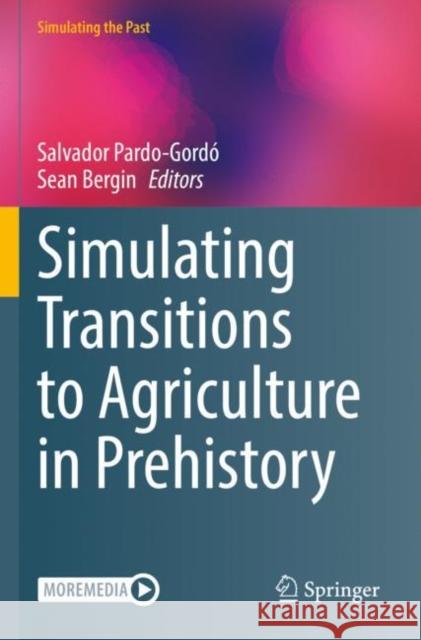
Salvador Pardo-Gordó; Sean Bergin
Simulating Transitions to Agriculture in Prehistory Salvador Pardo-Gord? Sean Bergin 9783030836450 Springer - książkaWidoczna okładka, to zdjęcie poglądowe, a rzeczywista szata graficzna może różnić się od prezentowanej.

Simulating Transitions to Agriculture in Prehistory

ISBN-13: 9783030836450 / Angielski / Miękka / 2023 / 260 str.

Salvador Pardo-Gordó; Sean Bergin
cena 442,79
(netto: 421,70 VAT:  5%)

Najniższa cena z 30 dni: 424,07
Termin realizacji zamówienia:
ok. 16-18 dni roboczych.

Darmowa dostawa!
inne wydania

This book highlights new and innovative approaches to archaeological research using computational modeling while focusing on the Neolithic transition around the world.The transformative effect of the spread and adoption of agriculture in prehistory cannot be overstated. Consequently, archaeologists have often focused their research on this transition, hoping to understand both the ecological causes and impacts of this shift, as well as the social motivations and constraints involved. Given the complex interplay of socio-ecological factors, the answers to these types of questions cannot be found using traditional archaeological methods alone. Computational modeling techniques have emerged as an effective approach for better understanding prehistoric data sets and the linkages between social and ecological factors at play during periods of subsistence change. Such techniques include agent-based modeling, Bayesian modeling, GIS modeling of the prehistoric environment, and the modeling of small-scale agriculture. As more archaeological data sets aggregate regarding the transition to agriculture, researchers are often left with few ways to relate these sets to one another.Computational modeling techniques such as those described above represent a critical next step in providing archaeological analyses that are important for understanding human prehistory around the world.  Given its scope, this book will appeal to the many interdisciplinary scientists and researchers whose work involves archaeology and computational social science.Chapter “The Spread of Agriculture: Quantitative Laws in Prehistory?” is available open access under a Creative Commons Attribution 4.0 International License via springer.com.


This book highlights new and innovative approaches to archaeological research using computational modeling while focusing on the Neolithic transition around the world.The transformative effect of the spread and adoption of agriculture in prehistory cannot be overstated. Consequently, archaeologists have often focused their research on this transition, hoping to understand both the ecological causes and impacts of this shift, as well as the social motivations and constraints involved. Given the complex interplay of socio-ecological factors, the answers to these types of questions cannot be found using traditional archaeological methods alone. Computational modeling techniques have emerged as an effective approach for better understanding prehistoric data sets and the linkages between social and ecological factors at play during periods of subsistence change. Such techniques include agent-based modeling, Bayesian modeling, GIS modeling of the prehistoric environment, and the modeling of small-scale agriculture. As more archaeological data sets aggregate regarding the transition to agriculture, researchers are often left with few ways to relate these sets to one another.Computational modeling techniques such as those described above represent a critical next step in providing archaeological analyses that are important for understanding human prehistory around the world.  Given its scope, this book will appeal to the many interdisciplinary scientists and researchers whose work involves archaeology and computational social science. Chapter “The Spread of Agriculture: Quantitative Laws in Prehistory?” is available open access under a Creative Commons Attribution 4.0 International License via springer.com.

Kategorie:
Nauka, Historia
Kategorie BISAC:
Social Science > Archaeology
Computers > Data Science - General
Social Science > Ludność i demografia
Wydawca:
Springer
Język:
Angielski
ISBN-13:
9783030836450
Rok wydania:
2023
Wydanie:
2021
Ilość stron:
260
Waga:
0.39 kg
Wymiary:
23.39 x 15.6 x 1.47
Oprawa:
Miękka
Wolumenów:
01
Dodatkowe informacje:
Wydanie ilustrowane

Current thoughts on the modelling approach to the transition of the agriculture.- The spread of agriculture and quantitative laws in prehistory.- Spatial interpolation of chronological information: the development and application of chronosurface to the Spread of Agriculture in west Mediterranean.- Early Warm Signals regarding population trends during the spread of the agriculture in Iberia.- Modeling the beginning of agricultural strategies: An analysis of Risk Management and Workforce Investment.- Agricultural risk management in Mediterranean environments: a computational modeling approach.- Modeling the spread of lithic technologies in Western Anatolia and Aegean during the Neolithic. Archaeological background and data processing methods.- Time and rhythms of the Impresso-Cardial complex: a bayesian modeling.- Cultural hitchhiking in the context of the first agricultural groups of South-western Europe: a simulation approach.- Early Neolithic farming activities in high mountain areas of the Pyrenees: simulating changes in settlement patterns.- Identifying the influence of Neolithic agro-pastoral land-use on Holocene Fire regimes through simulated sedimentary charcoal records.- ‘Digital proxies’ for validating models of past socio-ecological systems in the Mediterranean Landscape Dynamics Project.- Conclusion.

N/A

This book highlights new and innovative approaches to archaeological research using computational modeling while focusing on the Neolithic transition around the world.The transformative effect of the spread and adoption of agriculture in prehistory cannot be overstated. Consequently, archaeologists have often focused their research on this transition, hoping to understand both the ecological causes and impacts of this shift, as well as the social motivations and constraints involved. Given the complex interplay of socio-ecological factors, the answers to these types of questions cannot be found using traditional archaeological methods alone. Computational modeling techniques have emerged as an effective approach for better understanding prehistoric data sets and the linkages between social and ecological factors at play during periods of subsistence change. Such techniques include agent-based modeling, Bayesian modeling, GIS modeling of the prehistoric environment, and the modeling of small-scale agriculture. As more archaeological data sets aggregate regarding the transition to agriculture, researchers are often left with few ways to relate these sets to one another.

Computational modeling techniques such as those described above represent a critical next step in providing archaeological analyses that are important for understanding human prehistory around the world.  Given its scope, this book will appeal to the many interdisciplinary scientists and researchers whose work involves archaeology and computational social science. 

Chapter “The Spread of Agriculture: Quantitative Laws in Prehistory?” is available open access under a Creative Commons Attribution 4.0 International License via springer.com.




Udostępnij

Facebook - konto krainaksiazek.pl


Opinie o Krainaksiazek.pl na Opineo.pl

Partner Mybenefit

Krainaksiazek.pl w programie rzetelna firma Krainaksiaze.pl - płatności przez paypal

Czytaj nas na:

Facebook - krainaksiazek.pl
  • książki na zamówienie
  • granty
  • książka na prezent
  • kontakt
  • pomoc
  • opinie
  • regulamin
  • polityka prywatności

Zobacz:

  • Księgarnia czeska

  • Wydawnictwo Książkowe Klimaty

1997-2026 DolnySlask.com Agencja Internetowa

© 1997-2022 krainaksiazek.pl
     
KONTAKT | REGULAMIN | POLITYKA PRYWATNOŚCI | USTAWIENIA PRYWATNOŚCI
Zobacz: Księgarnia Czeska | Wydawnictwo Książkowe Klimaty | Mapa strony | Lista autorów
KrainaKsiazek.PL - Księgarnia Internetowa

Polityka prywatnosci - link
Krainaksiazek.pl - płatnośc Przelewy24
Przechowalnia Przechowalnia




