• Wyszukiwanie zaawansowane
  • Kategorie
  • Kategorie BISAC
  • Książki na zamówienie
  • Promocje
  • Granty
  • Książka na prezent
  • Opinie
  • Pomoc
  • Załóż konto
  • Zaloguj się

Screenscapes of e-Religiosity in India » książka


zaloguj się | załóż konto
Logo Krainaksiazek.pl

koszyk

konto

szukaj
topmenu
Księgarnia internetowa
Szukaj
Książki na zamówienie
Promocje
Granty
Książka na prezent
Moje konto
Pomoc
 
 
Wyszukiwanie zaawansowane
Pusty koszyk
Bezpłatna dostawa dla zamówień powyżej 20 złBezpłatna dostawa dla zamówień powyżej 20 zł

Kategorie główne

• Nauka
 [2944077]
• Literatura piękna
 [1814251]

  więcej...
• Turystyka
 [70679]
• Informatyka
 [151074]
• Komiksy
 [35590]
• Encyklopedie
 [23169]
• Dziecięca
 [611005]
• Hobby
 [136031]
• AudioBooki
 [1718]
• Literatura faktu
 [225599]
• Muzyka CD
 [379]
• Słowniki
 [2916]
• Inne
 [443741]
• Kalendarze
 [1187]
• Podręczniki
 [166463]
• Poradniki
 [469211]
• Religia
 [506887]
• Czasopisma
 [481]
• Sport
 [61343]
• Sztuka
 [242115]
• CD, DVD, Video
 [3348]
• Technologie
 [219293]
• Zdrowie
 [98602]
• Książkowe Klimaty
 [124]
• Zabawki
 [2385]
• Puzzle, gry
 [3504]
• Literatura w języku ukraińskim
 [260]
• Art. papiernicze i szkolne
 [7151]
Kategorie szczegółowe BISAC

Screenscapes of e-Religiosity in India

ISBN-13: 9783031288500 / Angielski
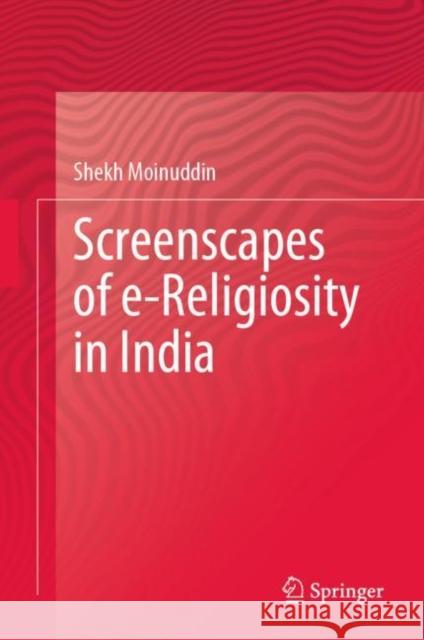
Shekh Moinuddin
Screenscapes of e-Religiosity in India Shekh Moinuddin 9783031288500 Springer - książkaWidoczna okładka, to zdjęcie poglądowe, a rzeczywista szata graficzna może różnić się od prezentowanej.

Screenscapes of e-Religiosity in India

ISBN-13: 9783031288500 / Angielski

Shekh Moinuddin
cena 523,30
(netto: 498,38 VAT:  5%)

Najniższa cena z 30 dni: 501,19
Termin realizacji zamówienia:
ok. 22 dni roboczych.

Darmowa dostawa!
inne wydania

This book deals with three different subjects: geography, social media and religion equally to discuss e-religiosity in terms of screenscapes that shaped digital socialization processes wherein the role of digital devices in general and smartphones in particular are considered crucial and critical. The spatial dimension is the primary foundation of the book wherein both space and place are discussed in digital manifestations in spatial sense. Religiosity is discussed variably in a sense of spirituality, social theories, religions and images. The book uses some illustrations to understand image politics. Image politics is quintessential in the age of digital technologies when production and reproduction of images are not restricted to business only; rather it attracts politics too and politicians often use the same to make political scores against opponents.The book covers contemporary digital discourses of e-religiosity in a sense of screenscapes that often found pivot in daily discussions across social media platforms. Screenscapes are considered as mediated technologies when contents can be accessed from different social media apps to construct or deconstruct their views, narratives, discourses, ideas, emotions, and perceptions around religious images in day-to-day activities, practices, rituals, customs, traditions, faiths and beliefs. The used illustrations exclusively map Indian religious gestures, identities, values, and rituals in digital-spatial contexts.The book discusses seven major questions and argues the same across the chapters in varied representations and interpretations: How and to what extent has the meaning of religiosity changed in the digital age? What are the dimensions of e-religiosity in India? How are digital devices (re)shaping religiosity in terms of e-religiosity? How and to what extent digital devices are negotiating with social and cultural lives? What is digital spatiality? How and to what extent does social media influence religiosity?


This book deals with three different subjects: geography, social media and religion equally to discuss e-religiosity in terms of screenscapes that shaped digital socialization processes wherein the role of digital devices in general and smartphones in particular are considered crucial and critical. The spatial dimension is the primary foundation of the book wherein both space and place are discussed in digital manifestations in spatial sense. Religiosity is discussed variably in a sense of spirituality, social theories, religions and images. The book uses some illustrations to understand image politics. Image politics is quintessential in the age of digital technologies when production and reproduction of images are not restricted to business only; rather it attracts politics too and politicians often use the same to make political scores against opponents. The book covers contemporary digital discourses of e-religiosity in a sense of screenscapes that often found pivot in daily discussions across social media platforms. Screenscapes are considered as mediated technologies when contents can be accessed from different social media apps to construct or deconstruct their views, narratives, discourses, ideas, emotions, and perceptions around religious images in day-to-day activities, practices, rituals, customs, traditions, faiths and beliefs. The used illustrations exclusively map Indian religious gestures, identities, values, and rituals in digital-spatial contexts.   The book discusses seven major questions and argues the same across the chapters in varied representations and interpretations: How and to what extent has the meaning of religiosity changed in the digital age? What are the dimensions of e-religiosity in India? How are digital devices (re)shaping religiosity in terms of e-religiosity? How and to what extent digital devices are negotiating with social and cultural lives? What is digital spatiality? How and to what extent does social media influence religiosity? 


Kategorie:
Nauka, Geografia
Kategorie BISAC:
Social Science > Human Geography
Social Science > Media Studies
Science > Earth Sciences - Geography
Wydawca:
Springer
Język:
Angielski
ISBN-13:
9783031288500


Dr. Shekh  Moinuddin is media geographer and author of five books Media Space and Gender Construction (2010), Mapping Media (2015), Mediascape and the State: A Geographical Interpretations of Image Politics in UP, India (2017), The Political Twittersphere in India (2019), Digital Shutdowns and Social Media: Spatiality, Political Economy and Internet Shutdowns in India (2021). His research areas include media geography, social media, digital spatiality, cultural mappings, image-politics, digital shutdown, political economy of digital gadgets, digital loneliness, platform democracy, and e-religiosity in India. 


This book deals with three different subjects: geography, social media and religion equally to discuss e-religiosity in terms of screenscapes that shaped digital socialization processes wherein the role of digital devices in general and smartphones in particular are considered crucial and critical. The spatial dimension is the primary foundation of the book wherein both space and place are discussed in digital manifestations in spatial sense. Religiosity is discussed variably in a sense of spirituality, social theories, religions and images. The book uses some illustrations to understand image politics. Image politics is quintessential in the age of digital technologies when production and reproduction of images are not restricted to business only; rather it attracts politics too and politicians often use the same to make political scores against opponents. 

The book covers contemporary digital discourses of e-religiosity in a sense of screenscapes that often found pivot in daily discussions across social media platforms. Screenscapes are considered as mediated technologies when contents can be accessed from different social media apps to construct or deconstruct their views, narratives, discourses, ideas, emotions, and perceptions around religious images in day-to-day activities, practices, rituals, customs, traditions, faiths and beliefs. The used illustrations exclusively map Indian religious gestures, identities, values, and rituals in digital-spatial contexts.   

The book discusses seven major questions and argues the same across the chapters in varied representations and interpretations: How and to what extent has the meaning of religiosity changed in the digital age? What are the dimensions of e-religiosity in India? How are digital devices (re)shaping religiosity in terms of e-religiosity? How and to what extent digital devices are negotiating with social and cultural lives? What is digital spatiality? How and to what extent does social media influence religiosity? 



Udostępnij

Facebook - konto krainaksiazek.pl


Opinie o Krainaksiazek.pl na Opineo.pl

Partner Mybenefit

Krainaksiazek.pl w programie rzetelna firma Krainaksiaze.pl - płatności przez paypal

Czytaj nas na:

Facebook - krainaksiazek.pl
  • książki na zamówienie
  • granty
  • książka na prezent
  • kontakt
  • pomoc
  • opinie
  • regulamin
  • polityka prywatności

Zobacz:

  • Księgarnia czeska

  • Wydawnictwo Książkowe Klimaty

1997-2026 DolnySlask.com Agencja Internetowa

© 1997-2022 krainaksiazek.pl
     
KONTAKT | REGULAMIN | POLITYKA PRYWATNOŚCI | USTAWIENIA PRYWATNOŚCI
Zobacz: Księgarnia Czeska | Wydawnictwo Książkowe Klimaty | Mapa strony | Lista autorów
KrainaKsiazek.PL - Księgarnia Internetowa

Polityka prywatnosci - link
Krainaksiazek.pl - płatnośc Przelewy24
Przechowalnia Przechowalnia




