Wyszukiwanie zaawansowane
Kategorie
Kategorie BISAC
Książki na zamówienie
Promocje
Granty
Książka na prezent
Opinie
Pomoc
Załóż konto
Zaloguj się
S.T.A.B.L.E. - Cardiac Module: Recognition and Stabilization of Neonates with Severe Chd » książka

zaloguj się
|
załóż konto
koszyk
konto
szukaj
topmenu
Szukaj
Książki na zamówienie
Promocje
Granty
Książka na prezent
Moje konto
Pomoc
Wyszukiwanie zaawansowane
Pusty koszyk
Kategorie główne
•
Nauka
[2950560]
•
Literatura piękna
[1849509]
więcej...
•
Turystyka
[71097]
•
Informatyka
[151150]
•
Komiksy
[35848]
•
Encyklopedie
[23178]
•
Dziecięca
[617388]
•
Hobby
[139064]
•
AudioBooki
[1657]
•
Literatura faktu
[228597]
•
Muzyka CD
[383]
•
Słowniki
[2855]
•
Inne
[445295]
•
Kalendarze
[1464]
•
Podręczniki
[167547]
•
Poradniki
[480102]
•
Religia
[510749]
•
Czasopisma
[516]
•
Sport
[61293]
•
Sztuka
[243352]
•
CD, DVD, Video
[3414]
•
Technologie
[219456]
•
Zdrowie
[101002]
•
Książkowe Klimaty
[124]
•
Zabawki
[2311]
•
Puzzle, gry
[3459]
•
Literatura w języku ukraińskim
[254]
•
Art. papiernicze i szkolne
[8079]
Kategorie szczegółowe BISAC
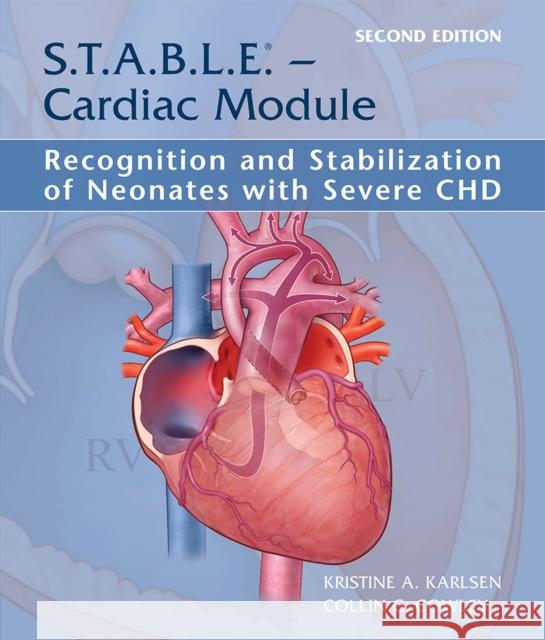
S.T.A.B.L.E. - Cardiac Module: Recognition and Stabilization of Neonates with Severe Chd
ISBN-13
: 9781937967178 / Angielski / Miękka / 2021 / 220 str.
Kristine A. Karlsen
;
Collin G. Cowley
Widoczna okładka, to zdjęcie poglądowe, a rzeczywista szata graficzna może różnić się od prezentowanej.
S.T.A.B.L.E. - Cardiac Module: Recognition and Stabilization of Neonates with Severe Chd
ISBN-13
: 9781937967178 / Angielski / Miękka / 2021 / 220 str.
Kristine A. Karlsen
;
Collin G. Cowley
cena
281,76
(netto: 268,34 VAT: 5%)
Najniższa cena z 30 dni: 280,01
Termin realizacji zamówienia:
ok. 30 dni roboczych
Dostawa w 2026 r.
Darmowa dostawa!
do przechowalni
Parametry
Spis treści
Kategorie:
Nauka
,
Medycyna
Kategorie BISAC:
Medical
>
Kardiologia
Medical
>
Pediatrics
Medical
>
Perinatologia i Neontologia
Wydawca:
American Academy of Pediatrics
Język:
Angielski
ISBN-13:
9781937967178
Rok wydania:
2021
Ilość stron:
220
Waga:
0.85 kg
Wymiary:
27.69 x 23.88 x 2.03
Oprawa:
Miękka
Wolumenów:
01
Dodatkowe informacje:
Wydanie ilustrowane
Acronyms Used in this Book
Introduction
Part 1
History and Patient Assessment
Incidence of Congenital Heart Disease (CHD)
History and Patient Presentation
Neonatal History
Pregnancy, Labor, and Delivery History
Maternal Medical History
Recurrence Risk
Patient Assessment
Neurologic Status
Physical Appearance – Size and Features
Infant of the Diabetic Mother (IDM)
Small for Gestational Age (SGA) Infants
Syndromes and Chromosomal Abnormalities Associated with CHD
Trisomy 21 (Down Syndrome)
Trisomy 18 (Edwards Syndrome)
Trisomy 13 (Patau Syndrome)
What does it mean? Let’s talk about a persistent Patent Ductus Arteriosus (PDA)
Monosomy X (Turner Syndrome – XO chromosome)
CHARGE Syndrome
VACTERL Association
22q11 2 Deletion Syndrome (22q11 2DS)
What does it mean? Conotruncal
Color
Oxygen Saturation
Vital Signs - Respiratory Rate and Effort
Vital Signs – Heart Rate and Rhythm
Treatment of SVT
Adenosine
Vital Signs – Blood Pressure (BP)
Shock
Bruit
Pulses
Skin Perfusion and Appearance
Precordial Activity
Heart Sounds
Heart Murmur
Liver Size and Location
What does it mean? Situs solitus, situs inversus, and heterotaxy
Diagnostic Tests
Differential Diagnosis
Part 2 Clinical Presentation and Stabilization of Neonates with Severe CHD
What does it mean? Let’s talk about CHD that is ductal dependent
Pharmacology – Prostaglandin E1 (PGE, Alprostadil, Prostin)
Left-Sided Obstructive Lesions, Ductal Dependent for Systemic Blood Flow
Underlying Concepts
Coarctation of the Aorta
Interrupted Aortic Arch
Aortic Valve Stenosis
Hypoplastic Left Heart Syndrome
Left-sided Obstructive Lesions – Clinical Presentation
Left-Sided Obstructive Lesions – Chest X-Ray
Left-sided Obstructive Lesions – Initial Stabilization
Case Study: 1-Day old infant with HLHS
Cyanotic Congenital Heart Disease, Not Ductal Dependent for Pulmonary Blood Flow
Underlying Concepts and Stabilizing the Cyanotic Neonate with Suspected CHD
Tetralogy of Fallot
Tetralogy of Fallot – Clinical Presentation
Tetralogy of Fallot – Chest X-Ray
Tetralogy of Fallot – Initial Stabilization
What does it mean? Let’s talk about hypercyanotic/tet spells
Hypercyanotic/Tet Spell – Treatment Principles
What does it mean? Let’s talk about Double Outlet Right Ventricle (DORV)
Tricuspid Atresia
Tricuspid Atresia – Clinical Presentation
Tricuspid Atresia – Chest X-Ray
Tricuspid Atresia – Initial Stabilization
Truncus Arteriosus
Truncus Arteriosus – Clinical Presentation
Truncus Arteriosus – Chest X-Ray
Truncus Arteriosus – Initial Stabilization
Total Anomalous Pulmonary Venous Connection
Supracardiac TAPVC
Cardiac TAPVC
Infracardiac TAPVC (also called infradiaphragmatic)
Total Anomalous Pulmonary Venous Connection – Clinical Presentation
Total Anomalous Pulmonary Venous Connection – Chest X-Ray
Total Anomalous Pulmonary Venous Connection – Initial Stabilization
Ebstein Anomaly
Ebstein Anomaly – Clinical Presentation
Ebstein Anomaly – Chest X-Ray
Ebstein Anomaly – Initial Stabilization
Cyanotic Congenital Heart Disease, Ductal Dependent for Pulmonary Blood Flow
Underlying Concepts
Stabilizing the Cyanotic Neonate with Ductal Dependent Pulmonary Blood Flow
Pulmonary Atresia with Intact Ventricular Septum (PA-IVS)
Pulmonary Atresia with Intact Ventricular Septum (PA-IVS) – Clinical Presentation
Pulmonary Atresia with Intact Ventricular Septum (PA-IVS) – Chest X-Ray
Pulmonary Atresia with Intact Ventricular Septum (PA-IVS) – Initial Stabilization
What does it mean? Let’s talk about PA-IVS and Ventriculocoronary Connections
Pulmonary Atresia and Ventricular Septal Defect (PA-VSD)
Pulmonary Atresia and Ventricular Septal Defect (PA-VSD) – Clinical Presentation
Pulmonary Atresia and Ventricular Septal Defect (PA-VSD) – Chest X-Ray
Pulmonary Atresia and Ventricular Septal Defect (PA-VSD) – Initial Stabilization
Transposition of the Great Arteries (TGA)
Transposition of the Great Arteries – Clinical Presentation
Transposition of the Great Arteries – Chest X-Ray
Transposition of the Great Arteries – Initial Stabilization
What does it mean? What is the difference between D-TGA and L-TGA?
Part 3 S.T.A.B.L.E. – Cardiac Module
Introduction
Sugar and Safe Care Module
Glucose Production and Utilization Rate
Initial IV Fluid Rate and Target Glucose Levels
IV Access and Central Lines
Umbilical Vein Catheter (UVC)
Umbilical Artery Catheter (UAC) and Peripheral Arterial
Umbilical Catheter Safety
Peripherally Inserted Central Catheter (PICC)
Temperature Module
Airway Module
O2 Saturation, Hemoglobin, and CHD
O2 Content
What does it mean? What is Regional Oximetry Monitoring – Near Infrared Reflective Spectroscopy (NIRS) Monitoring?
Pulse Oximetry Screening (POS) for Critical Congenital Heart Disease (CCHD)
Blood Pressure Module
Methods for Measuring BP
Oscillometric Measurement – How Does it Work?
Lab Work Module
Blood Sugar
Blood Gas
Lactic Acid/Lactate
Electrolytes and Renal Function Tests
Ionized Calcium
Magnesium
Liver Function Tests
Complete Blood Count with Differential
Cardiac Enzymes: B-Type Natriuretic Peptide (BNP) and Troponin I
What does it mean? Let’s talk about Genetic Testing
Emotional Support Module
Appendix 1 – Palliative and Surgical Repair of the Lesions Discussed in this Book
Appendix 2 – Medications Used in the Treatment of Neonates with CHD
References
Index
Udostępnij
Czytaj nas na:









