Russian Energy Aggression 2000-2008 » książka





Russian Energy Aggression 2000-2008
ISBN-13: 9783639244649 / Angielski / Miękka / 2010 / 144 str.
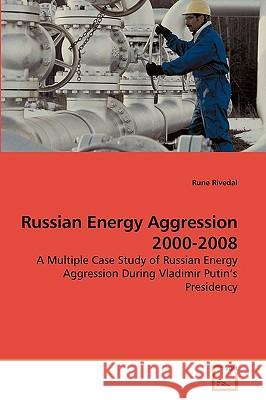
The book seeks to explain what triggered cases of Russian energy aggression during Vladimir Putin's presidency, a period in which Russia greatly recovered from the difficult 1990s. This is accomplished through a comparative multiple case study of 13 cases of Russian energy aggression in seven former Soviet Union republics (Belarus, Estonia, Georgia, Latvia, Lithuania, Moldova and Ukraine). The book addresses the research question through an analysis of three hypotheses. The hypotheses are concerned with whether economic interests, political considerations or interest in energy infrastructure triggered the cases of Russian energy aggression. This book will be particularly relevant for those who are interested in how oil and gas resources can be utilized as a leverage between nations, and for those interested in Russia and Russian energy politics in general.
The book seeks to explain what triggered cases of Russian energy aggression during Vladimir Putins presidency, a period in which Russia greatly recovered from the difficult 1990s. This is accomplished through a comparative multiple case study of 13 cases of Russian energy aggression in seven former Soviet Union republics (Belarus, Estonia, Georgia, Latvia, Lithuania, Moldova and Ukraine). The book addresses the research question through an analysis of three hypotheses. The hypotheses are concerned with whether economic interests, political considerations or interest in energy infrastructure triggered the cases of Russian energy aggression. This book will be particularly relevant for those who are interested in how oil and gas resources can be utilized as a leverage between nations, and for those interested in Russia and Russian energy politics in general.




Czytaj nas na:
KrainaKsiazek.PL - Księgarnia Internetowa


