• Wyszukiwanie zaawansowane
  • Kategorie
  • Kategorie BISAC
  • Książki na zamówienie
  • Promocje
  • Granty
  • Książka na prezent
  • Opinie
  • Pomoc
  • Załóż konto
  • Zaloguj się

Reputational Crises Unspun: A Stakeholder Solution to Reputational Crises » książka

zaloguj się | załóż konto
Logo Krainaksiazek.pl

koszyk

konto

szukaj
topmenu
Księgarnia internetowa
Szukaj
Książki na zamówienie
Promocje
Granty
Książka na prezent
Moje konto
Pomoc
 
 
Wyszukiwanie zaawansowane
Pusty koszyk
Bezpłatna dostawa dla zamówień powyżej 20 złBezpłatna dostawa dla zamówień powyżej 20 zł

Kategorie główne

• Nauka
 [2948695]
• Literatura piękna
 [1824038]

  więcej...
• Turystyka
 [70868]
• Informatyka
 [151073]
• Komiksy
 [35227]
• Encyklopedie
 [23181]
• Dziecięca
 [621575]
• Hobby
 [138961]
• AudioBooki
 [1642]
• Literatura faktu
 [228651]
• Muzyka CD
 [371]
• Słowniki
 [2933]
• Inne
 [445341]
• Kalendarze
 [1243]
• Podręczniki
 [164416]
• Poradniki
 [479493]
• Religia
 [510449]
• Czasopisma
 [502]
• Sport
 [61384]
• Sztuka
 [243086]
• CD, DVD, Video
 [3417]
• Technologie
 [219673]
• Zdrowie
 [100865]
• Książkowe Klimaty
 [124]
• Zabawki
 [2168]
• Puzzle, gry
 [3372]
• Literatura w języku ukraińskim
 [260]
• Art. papiernicze i szkolne
 [7838]
Kategorie szczegółowe BISAC

Reputational Crises Unspun: A Stakeholder Solution to Reputational Crises

ISBN-13: 9789811651328 / Angielski / Miękka / 2022
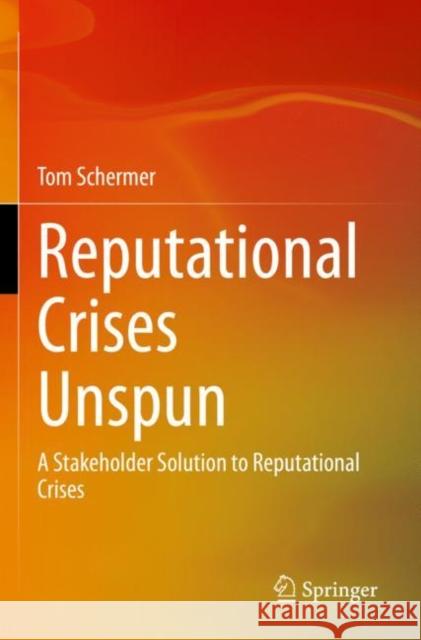
Tom Schermer
Reputational Crises Unspun: A Stakeholder Solution to Reputational Crises Schermer, Tom 9789811651328 Springer Nature Singapore - książkaWidoczna okładka, to zdjęcie poglądowe, a rzeczywista szata graficzna może różnić się od prezentowanej.

Reputational Crises Unspun: A Stakeholder Solution to Reputational Crises

ISBN-13: 9789811651328 / Angielski / Miękka / 2022

Tom Schermer
cena 441,75
(netto: 420,71 VAT:  5%)

Najniższa cena z 30 dni: 424,07
Termin realizacji zamówienia:
ok. 22 dni roboczych.

Darmowa dostawa!
inne wydania

This book reviews dominant crisis communication theories, which according to many scholars are either too narrow or broad for practical application to all types of reputational crises. Freeman, as the progenitor of modern stakeholder theory, has spent much time since the original publication trying to remove the primary focus from companies to that of achieving broader positive outcomes for organisations, populations, and the operating environment. This book embraces the ethos of Freeman’s revisions and applies it to crisis communication through placing the reputational crisis at the centre of a stakeholder map, where other literature places the company at the centre of the stakeholder map. This leaves the company experiencing the crisis situated with all other crisis stakeholders to develop solutions to the source of conflict, and as a result, the reputational crisis.Removing the corporation from the centre allows for other stakeholders such as interest groups, politicians, media, and afflicted stakeholders, to legitimately work towards solving the crisis. This book uses a typology of apologia and builds upon it to create a means that allows corporate managers to genuinely apologise to crisis victims, without necessarily exposing the corporation to financial liability claims. The apologia construct developed herein is equally useful to CEO’s as it is in a domestic situation.

Consistent throughout this book is the philosophy that all reputational crises can be either solved, or significantly reduced in terms of impact. Examples used throughout relate to reader’s personal lives as well as structured powerful organisations.


Kategorie:
Nauka, Ekonomia i biznes
Kategorie BISAC:
Business & Economics > Zarządzenie i techniki zarządzania
Business & Economics > Insurance - Risk Assessment & Management
Business & Economics > Zarządzenie zasobami ludzkimi
Wydawca:
Springer Nature Singapore
Język:
Angielski
ISBN-13:
9789811651328
Rok wydania:
2022
Waga:
0.29 kg
Wymiary:
23.5 x 15.5
Oprawa:
Miękka
Dodatkowe informacje:
Wydanie ilustrowane

How to use this book


Preface

Part I. Introduction
Chapter 1. Introduction: What is a reputational crisis?
Chapter 2. Crisis communication and reputation management 
Chapter 3. Reputational crisis stakeholders – fluidity in identities
Chapter 4. Managing perceptions – media in reputational crises 

Part II. Introduction
Chapter 5. Crisis communication and management challenges
Chapter 6. Thinking differently: Reputational crises resituated
Chapter 7. Best practice method of dealing with reputational crises
Chapter 8. Crisis prevention
Chapter 9. Crisis Preparedness Quiz.

Tom Schermer has spent decades as a business owner and as an agent for various large corporations. In this he found that helping competing parties devise a mutually beneficial solution was the most effective and profitable way to resolve disputes. When later studying mass communication while completing a Bachelor in Journalism Tom noticed that the same conflict occurred between the stakeholders in news stories. With a hobby of investing in shares he saw the potential of reputational crises to make positive impacts on companies, stakeholders, and shareholders alike.

Taking his approach to resolving conflict with mutually beneficial outcomes, Tom enrolled in a PhD program researching reputational crises. Despite the volumes of literature on reputational crises, at best a few authors hinted at the possibility of changing the way things were done. Unwilling to write a thesis that supported ineffective theories, Tom combined everything he had learned in research, business, communications, and relationships into this book with the view to improve how reputational crises are handled, and improve outcomes for everyone involved.

This book reviews dominant crisis communication theories, which according to many scholars are either too narrow or broad for practical application to all types of reputational crises. Freeman, as the progenitor of modern stakeholder theory, has spent much time since the original publication trying to remove the primary focus from companies to that of achieving broader positive outcomes for organisations, populations, and the operating environment. This book embraces the ethos of Freeman’s revisions and applies it to crisis communication through placing the reputational crisis at the centre of a stakeholder map, where other literature places the company at the centre of the stakeholder map. This leaves the company experiencing the crisis situated with all other crisis stakeholders to develop solutions to the source of conflict, and as a result, the reputational crisis.

Removing the corporation from the centre allows for other stakeholders such as interest groups, politicians, media, and afflicted stakeholders, to legitimately work towards solving the crisis. This book uses a typology of apologia and builds upon it to create a means that allows corporate managers to genuinely apologise to crisis victims, without necessarily exposing the corporation to financial liability claims. The apologia construct developed herein is equally useful to CEO’s as it is in a domestic situation.


Consistent throughout this book is the philosophy that all reputational crises can be either solved, or significantly reduced in terms of impact. Examples used throughout relate to reader’s personal lives as well as structured powerful organisations.




Udostępnij

Facebook - konto krainaksiazek.pl


Opinie o Krainaksiazek.pl na Opineo.pl

Partner Mybenefit

Krainaksiazek.pl w programie rzetelna firma Krainaksiaze.pl - płatności przez paypal

Czytaj nas na:

Facebook - krainaksiazek.pl
  • książki na zamówienie
  • granty
  • książka na prezent
  • kontakt
  • pomoc
  • opinie
  • regulamin
  • polityka prywatności

Zobacz:

  • Księgarnia czeska

  • Wydawnictwo Książkowe Klimaty

1997-2026 DolnySlask.com Agencja Internetowa

© 1997-2022 krainaksiazek.pl
     
KONTAKT | REGULAMIN | POLITYKA PRYWATNOŚCI | USTAWIENIA PRYWATNOŚCI
Zobacz: Księgarnia Czeska | Wydawnictwo Książkowe Klimaty | Mapa strony | Lista autorów
KrainaKsiazek.PL - Księgarnia Internetowa

Polityka prywatnosci - link
Krainaksiazek.pl - płatnośc Przelewy24
Przechowalnia Przechowalnia




