• Wyszukiwanie zaawansowane
  • Kategorie
  • Kategorie BISAC
  • Książki na zamówienie
  • Promocje
  • Granty
  • Książka na prezent
  • Opinie
  • Pomoc
  • Załóż konto
  • Zaloguj się

Regulation of Enzymatic Systems Detoxifying Xenobiotics in Plants » książka


zaloguj się | załóż konto
Logo Krainaksiazek.pl

koszyk

konto

szukaj
topmenu
Księgarnia internetowa
Szukaj
Książki na zamówienie
Promocje
Granty
Książka na prezent
Moje konto
Pomoc
 
 
Wyszukiwanie zaawansowane
Pusty koszyk
Bezpłatna dostawa dla zamówień powyżej 20 złBezpłatna dostawa dla zamówień powyżej 20 zł

Kategorie główne

• Nauka
 [2944077]
• Literatura piękna
 [1814251]

  więcej...
• Turystyka
 [70679]
• Informatyka
 [151074]
• Komiksy
 [35590]
• Encyklopedie
 [23169]
• Dziecięca
 [611005]
• Hobby
 [136031]
• AudioBooki
 [1718]
• Literatura faktu
 [225599]
• Muzyka CD
 [379]
• Słowniki
 [2916]
• Inne
 [443741]
• Kalendarze
 [1187]
• Podręczniki
 [166463]
• Poradniki
 [469211]
• Religia
 [506887]
• Czasopisma
 [481]
• Sport
 [61343]
• Sztuka
 [242115]
• CD, DVD, Video
 [3348]
• Technologie
 [219293]
• Zdrowie
 [98602]
• Książkowe Klimaty
 [124]
• Zabawki
 [2385]
• Puzzle, gry
 [3504]
• Literatura w języku ukraińskim
 [260]
• Art. papiernicze i szkolne
 [7151]
Kategorie szczegółowe BISAC

Regulation of Enzymatic Systems Detoxifying Xenobiotics in Plants

ISBN-13: 9780792346463 / Angielski / Twarda / 1997 / 385 str.
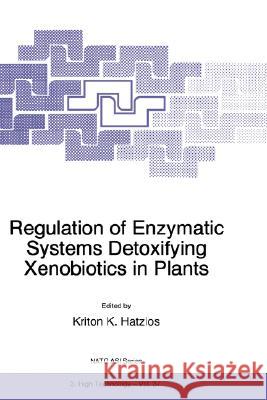
Hatzlos; Kriton K. Hatzios
Regulation of Enzymatic Systems Detoxifying Xenobiotics in Plants Hatzlos                                  Kriton K. Hatzios 9780792346463 Kluwer Academic Publishers - książkaWidoczna okładka, to zdjęcie poglądowe, a rzeczywista szata graficzna może różnić się od prezentowanej.

Regulation of Enzymatic Systems Detoxifying Xenobiotics in Plants

ISBN-13: 9780792346463 / Angielski / Twarda / 1997 / 385 str.

Hatzlos; Kriton K. Hatzios
cena 805,10
(netto: 766,76 VAT:  5%)

Najniższa cena z 30 dni: 771,08
Termin realizacji zamówienia:
ok. 22 dni roboczych.

Darmowa dostawa!

The NATO Advanced Research Workshop (ARW) on "Regulation of Enzymatic Systems Detoxifying Xenobiotics in Plants" intended to provide a forum to scientists from academia, industry, and govemment for discussing and critically assessing recent advances in the field of xenobiotic metabolism in plants and for identifying new directions for future research. Plants function in a chemical environment made up of nutrients and xenobiotics. Xenobiotics (foreign chemicals) are natural or synthetic compounds that can not be utilized by plants for energy-yielding metabolism. Plants may be exposed to xenobiotics either deliberately, due to their use as pesticides or accidentally, from industrial, agricultural, and other uses. Plants, like most other organisms, evolved a remarkable battery or metabolic reactions to defend themselves against the potentially toxic effects of xenobiotics. The main enzymatic reactions utilized by plants for xenobiotic detoxification include oxidation, reduction, hydrolysis and conjugation with glutathione, sugars (e.g., glucose), and amino acids. Eventually, xenobiotic conjugates are converted to insoluble bound residues or to secondary conjugates, which are deposited in the vacuole of plant cells.


Kategorie:
Nauka, Biologia i przyroda
Kategorie BISAC:
Science > Botanika
Science > Life Sciences - Anatomy & Physiology
Nature > Plants - Flowers
Wydawca:
Kluwer Academic Publishers
Seria wydawnicza:
Archives Internationales D'Histoire Des Idees
Język:
Angielski
ISBN-13:
9780792346463
Rok wydania:
1997
Wydanie:
1997
Numer serii:
000104579
Ilość stron:
385
Waga:
0.73 kg
Wymiary:
23.39 x 15.6 x 2.39
Oprawa:
Twarda
Wolumenów:
01
Dodatkowe informacje:
Bibliografia
Wydanie ilustrowane

`It should therefore be recommended to all plant scientists and agronomists ...'
Journal of Plant Physiology, 154 (199)
`...written by plant pysiologists dedicated to this field of research, the book contains a wealth of up-to-date information about the regulation of xenobiotic detoxification. It should therefor be recommended to all plant scientists adn agronomists, should they be interested in plant protection or not.'

Preface. Regulation of Enzymatic Systems Detoxifying Xenobiotics in Plants: A Brief Overview and Directions for Future Research; K.K. Hatzios. Part One: Xenobiotic Metabolism Mediated by Plant Cytochrome P450s and Esterases. Endogenous Reactions and Substrate Specificity of Herbicide Metabolizing Enzymes; B. McGonigle, et al. Induction of Plant Cytochrome P450; F. Durst, et al. Role of Cytochrome P450s in Herbicide Metabolism and Selectivity and Multiple Herbicide Metabolizing Cytochrome P450 Activities in Maize; M. Barrett, et al. Inhibition of Plant Oxidative Deactivation: A Mechanism to Enhance Efficacy and Manage Resistance to Thiazopyr Herbicide; P.C.C. Feng. Enzymatic De-Esterification of Xenobiotics in Plants; B.J. Incledon, J.C. Hall. Part Two: Glutathione-Mediated Metabolism of Xenobiotics in Plants. The Ascorbate-Glutathione Cycle and Oxidative Stresses in Plants; T. Kömives, et al. Molecular Biology of the Antioxidant Defense Genes Encoding Catalases and Superoxide Dismutases in Maize; J.G. Scandalios. The Biosynthesis of Glutathione Explored in Transformed Plants; G. Noctor, et al. Glutathione, a Regulator of Chloroplast Transcription; G. Link, et al. Glutathione Transferases in Crops and Major Weeds; D.J. Cole, et al. Characterization and Induction of Maize Glutathione S-Transferases Involved in Herbicide Detoxification; G.P. Irzyk, E.P. Fuerst. Role of the Different GST Isozymes of Maize in Herbicide Tolerance: Genetic and Biochemical Analysis; C. Frova, et al. Activation of Proherbicides by Glutathione S-Transferase; B. Nicolaus, et al. Flavonoids and Phytohormones, Two Toxic Secondary Metabolites, are GST Substrates; M. Alfenito, V. Walbot. Part Three: Glucosyl and Malonyl Conjugationand Compartmentation of Xenobiotic Conjugates. The Role of Glucosyl and Malonyl Conjugation in Herbicide Selectivity; H. Sandermann, Jr., et al. Fate of Glutathione S-Conjugates in Plants: Degradation of the Glutathione Moiety; P. Schröder. Compartmentation of Detoxified Xenobiotics in Plant Cells; M.M.A. Blake-Kalff, et al. Part Four: Chemical Regulation of Plant Enzymes Detoxifying Xenobiotics. Defining and Characterizing Synergism and Antagonism for Xenobiotic Mixtures; J.M. Green, et al. Regulation of Xenobiotic Degrading Enzymes with Herbicide Safeners; K.K. Hatzios. Regulation of Xenobiotic Degrading Enzymes with Insecticides and Other Synergists; M. Barrett. Part Five: Enhanced Xenobiotic Detoxification in Transgenic Crops and Resistant Weeds. Herbicide-Resistant Tobacco and Potato Plants Expressing Mammalian P450 Monooxygenases; H. Ohkawa, et al. Transgenic Plant Analysis as a Tool for the Study of Maize Glutathione S-Transferases; I. Jepson, et al. Foreign Detoxification Genes Expressed in Plants for Developing Herbicide Tolerant Genotypes: Development of Glufosinate Vegetables; A.S. Tsaftaris, et al. Herbicide Tolerance in Transgenic Plants Expressing Bacterial Detoxification Genes. The Case of Bromoxynil; K.E. Pallett, et al. Cross-Resistance and Herbicide Metabolism in Alopecurus Myosuroides Huds.; R. De Prado, J. Menendez. Subject Index.


Udostępnij

Facebook - konto krainaksiazek.pl


Opinie o Krainaksiazek.pl na Opineo.pl

Partner Mybenefit

Krainaksiazek.pl w programie rzetelna firma Krainaksiaze.pl - płatności przez paypal

Czytaj nas na:

Facebook - krainaksiazek.pl
  • książki na zamówienie
  • granty
  • książka na prezent
  • kontakt
  • pomoc
  • opinie
  • regulamin
  • polityka prywatności

Zobacz:

  • Księgarnia czeska

  • Wydawnictwo Książkowe Klimaty

1997-2026 DolnySlask.com Agencja Internetowa

© 1997-2022 krainaksiazek.pl
     
KONTAKT | REGULAMIN | POLITYKA PRYWATNOŚCI | USTAWIENIA PRYWATNOŚCI
Zobacz: Księgarnia Czeska | Wydawnictwo Książkowe Klimaty | Mapa strony | Lista autorów
KrainaKsiazek.PL - Księgarnia Internetowa

Polityka prywatnosci - link
Krainaksiazek.pl - płatnośc Przelewy24
Przechowalnia Przechowalnia






