Recent Wars: Understanding Contemporary Conflicts » książka





Recent Wars: Understanding Contemporary Conflicts
ISBN-13: 9783565249602 / Angielski / Miękka / 280 str.
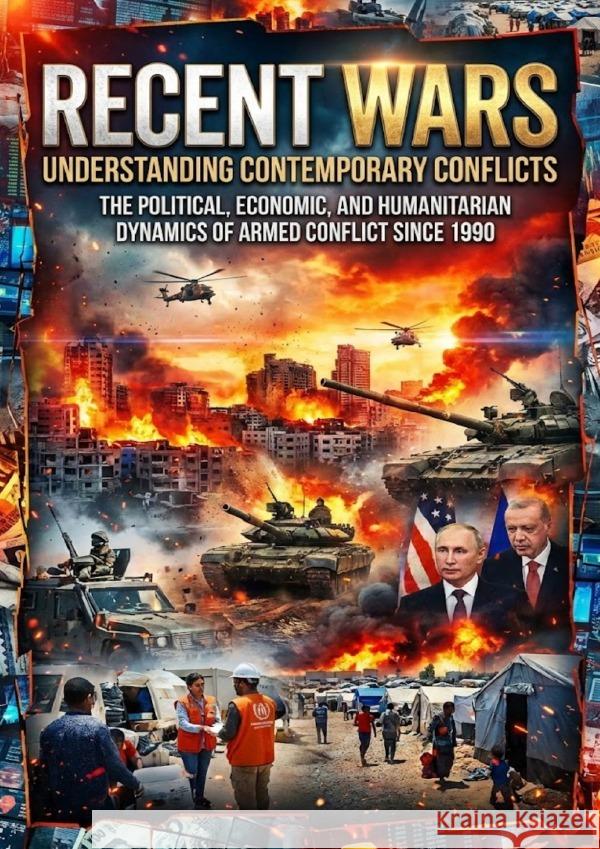
Contemporary armed conflicts differ from twentieth-century wars in their participants, motivations, and consequences, yet they emerge from similar patterns of state fragility, resource competition, and unresolved historical grievances. This comprehensive analysis examines major conflicts since the Cold War's end-from the Yugoslav wars and Rwandan genocide through Iraq and Afghanistan to Syrian civil war and ongoing regional conflicts-exploring the structural factors, triggering events, and international responses that shape modern warfare.Drawing on conflict analysis, diplomatic records, humanitarian reports, and participant testimonies, this book reveals how ethnic tensions, state collapse, resource exploitation, and external intervention interact to produce prolonged instability. It explores the changing nature of warfare with non-state actors, the humanitarian impact of siege tactics and displacement, the role of international institutions in conflict resolution, and how conflicts reshape regional power dynamics.The narrative examines patterns across conflicts while respecting each war's specific context, analyzing how historical grievances are mobilized, how civilian populations experience violence, how peace negotiations succeed or fail, and what post-conflict reconstruction requires. It addresses the gap between international law and actual conduct, the challenges of accountability for war crimes, and how conflicts create refugee crises with global implications. Without sensationalism, this work provides rigorous analysis of contemporary conflict dynamics and their human costs.
Yugoslavia's dissolution demonstrated how ethnic identity could be weaponized rapidly. Neighbor turned against neighbor as political elites mobilized historical grievances for territorial control.




Czytaj nas na:
KrainaKsiazek.PL - Księgarnia Internetowa


