• Wyszukiwanie zaawansowane
  • Kategorie
  • Kategorie BISAC
  • Książki na zamówienie
  • Promocje
  • Granty
  • Książka na prezent
  • Opinie
  • Pomoc
  • Załóż konto
  • Zaloguj się

Radiocontrast Agents » książka


zaloguj się | załóż konto
Logo Krainaksiazek.pl

koszyk

konto

szukaj
topmenu
Księgarnia internetowa
Szukaj
Książki na zamówienie
Promocje
Granty
Książka na prezent
Moje konto
Pomoc
 
 
Wyszukiwanie zaawansowane
Pusty koszyk
Bezpłatna dostawa dla zamówień powyżej 20 złBezpłatna dostawa dla zamówień powyżej 20 zł

Kategorie główne

• Nauka
 [2939893]
• Literatura piękna
 [1808953]

  więcej...
• Turystyka
 [70366]
• Informatyka
 [150555]
• Komiksy
 [35137]
• Encyklopedie
 [23160]
• Dziecięca
 [608786]
• Hobby
 [136447]
• AudioBooki
 [1631]
• Literatura faktu
 [225099]
• Muzyka CD
 [360]
• Słowniki
 [2914]
• Inne
 [442115]
• Kalendarze
 [1068]
• Podręczniki
 [166599]
• Poradniki
 [468390]
• Religia
 [506548]
• Czasopisma
 [506]
• Sport
 [61109]
• Sztuka
 [241608]
• CD, DVD, Video
 [3308]
• Technologie
 [218981]
• Zdrowie
 [98614]
• Książkowe Klimaty
 [124]
• Zabawki
 [2174]
• Puzzle, gry
 [3275]
• Literatura w języku ukraińskim
 [260]
• Art. papiernicze i szkolne
 [7376]
Kategorie szczegółowe BISAC

Radiocontrast Agents

ISBN-13: 9783642695179 / Angielski / Miękka / 2012 / 612 str.
T. Almen;M. Sovak
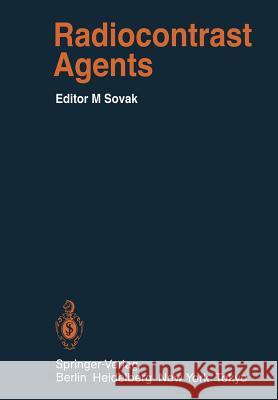
Radiocontrast Agents T. Almen, M. Sovak 9783642695179 Springer-Verlag Berlin and Heidelberg GmbH &  - książkaWidoczna okładka, to zdjęcie poglądowe, a rzeczywista szata graficzna może różnić się od prezentowanej.

Radiocontrast Agents

ISBN-13: 9783642695179 / Angielski / Miękka / 2012 / 612 str.

T. Almen;M. Sovak
cena 401,58
(netto: 382,46 VAT:  5%)

Najniższa cena z 30 dni: 385,52
Termin realizacji zamówienia:
ok. 22 dni roboczych.

Darmowa dostawa!

Contrast media are drugs by default. Had there been no default, there would be no need for a related pharmacology, and thus no need for this book. Radiographic contrast media (CM) are substances whose primary purpose is to enhance diagnostic information of medical imaging systems. The position of CM in pharmacology is unique. First, there is the unusual requirement of biological inertness. An ideal CM should be completely biologically inert, i.e., stable, not pharmacologically active, and efficiently and innocuously excretable. Because they fail to meet these requirements, CM must be considered drugs. The second unusual aspect of CM is that they are used in large quantities, their annual production being measured in tens of tons. It is not in spite of, but because of, the increased use of new radiographic systems, computed tomography, digital radiography, etc., that consumption is on the rise. And, it is not likely that the other emerging imaging modalities - NMR, ultrasonography, etc. - will displace radiographic CM soon; it is quite probable that these remarkable compounds will continue to play an active role in diagnostic imaging in the foreseeable future.


Kategorie:
Nauka, Medycyna
Kategorie BISAC:
Medical > Farmakologia
Medical > Farmacja
Medical > Radiologia
Wydawca:
Springer-Verlag Berlin and Heidelberg GmbH &
Seria wydawnicza:
Handbook of Experimental Pharmacology
Język:
Angielski
ISBN-13:
9783642695179
Rok wydania:
2012
Dostępne języki:
Angielski
Wydanie:
Softcover Repri
Numer serii:
000049097
Ilość stron:
612
Waga:
1.07 kg
Wymiary:
24.424.4 x 17.0
Oprawa:
Miękka
Wolumenów:
01

Introduction: State of the Art and Design Principles of Contrast Media.- References.- 1 Chemistry of X-Ray Contrast Media.- A. Introduction and Scope.- B. Biological Requirements.- I. Physicochemical Properties.- 1. Water Solubility.- 2. Viscosity.- 3. Osmolality.- II. Chemical Stability.- III. Biological Safety.- C. Ionic Contrast Media.- I. Synthesis.- II. Evolution of Structural Types.- 1. Improving the Functional Groups.- 2. Reduction of Hypertonicity.- D. Nonionic Contrast Media.- I. Solubility Aspects of Nonionic Media.- II. Viscosity Considerations.- III. Osmolality.- IV. Stability.- 1. Deiodination.- 2. Instability of the Polyhydroxylalkyl Group.- 3. Hydrolysis of the Coupler Group.- V. Synthesis of Nonionic Compounds.- 1. Synthetic Approaches.- 2. Manufacturing Costs.- VI. Stereochemical Aspects of Contrast Media.- 1. Isomers Resulting from Restricted Rotation.- VII. High-Pressure Liquid Chromatography.- VIII. Water-Insoluble Nonionic Contrast Media.- 1. Oily Contrast Media.- 2. Benzoate Esters.- 3. Perfluoroalkyl Halides.- E. Oral Cholecystographic Agents.- References.- 2 Urographic Contrast Media and Methods of Investigative Uroradiology.- A. Introduction.- B. Historical Remarks.- C. Attenuation of X-Rays.- I. Contrast Medium Concentration in Different Regions of the Urinary Tract; Factors Influencing the Nephrogram and Pyelogram.- 1. Effects of Plasma Iodine Concentration.- 2. Effects of Urine Iodine Concentration.- II. Urinary Tract Volume Changes.- 1. Urine Flow.- 2. Theoretical Effects of Changes.- 3. Experimental Effects of Changes.- D. Pharmacodynamics.- I. Intravenous Lethal Dose.- II. Causes of Death.- 1. Lung Edema and Red Blood Cell Changes.- 2. Nephrotoxicity.- III. Other Adverse Reactions.- IV. Advantages of Ratio-3 Media.- E. Methods of Investigative Uroradiology.- I. Introduction.- 1. Choice of Species.- 2. Anesthesia.- 3. Surgical Procedures.- II. Assays for Contrast Media.- III. Methods for the Measurement of the Depth of the X-Ray Attenuating Layer.- 1. Planimetry.- 2. Urine Flow.- IV. Methods for Studying Excretion Mechanisms.- 1. Clearance of Contrast Media.- 2. Tubular Micropuncture and Microperfusion.- 3. Cell Culture.- V. Methods for Studying Renal Pharmacodynamics.- 1. Urine Osmolality.- 2. Ability to Concentrate Urine.- 3. Urine Flow.- 4. Vascular Changes.- 5. Glomerular Damage.- 6. Tubular Damage.- References.- 3 Contrast Media in the Cardiovascular System.- A. Introduction.- B. Classification of Cardiovascular Actions of Contrast Media.- C. Importance of Experimental Conditions.- I. Influence of the Experimental Model Used for Studying Cardiovascular Effects of Contrast Media.- II. Influence of the Site of Injection of Contrast Media.- D. Specific Effects.- I. Electrophysiologic Cardiac Effects.- 1. Impulse Generation.- 2. Impulse Conduction.- 3. Arrhythmias.- 4. Electrocardiographic Changes.- II. Hemodynamic Cardiac Effects.- 1. Hemodynamic Changes During Contrast Ventriculography.- 2. Use of Contrast Media as a Stress Test in Coronary Artery Disease.- III. Direct Myocardial Effects.- 1. Isolated Heart and Isolated Cardiac Tissue.- 2. Intracoronary Administration in the Intact Heart.- 3. Effects on Ischemic Myocardium and Failing Myocardium.- 4. Mechanism of Action of Direct Cardiac Effects.- 5. Clinical Evaluation of Contrast Media Used for Coronary Arteriography.- IV. Reflex or Neurally Mediated Circulatory Effects.- 1. Vascular Effects.- 2. General Circulation and Limb Circulation.- 3. Renal Circulation.- 4. Splanchnic Circulation.- 5. Carotid Circulation.- 6. Coronary Circulation.- 7. Microcirculation and Vascular Endothelium.- E. Summary.- References.- 4 Basic Methods of Investigative Cardiovascular Radiology.- A. Introduction.- B. Contrast Media.- I. Pharmacological Evaluation of Radiographic Contrast Media.- C. Experimental Cardioradiographic Visualization.- D. Choice of Experimental Animals.- I. Infrahuman Primates.- II. Cats.- III. Calves.- IV. Rabbits.- V. Pigs.- 1. Catheterization: Implantation of Chronic Catheters.- 2. Acute Catheterization.- VI. Dogs.- E. The Laboratory for Cardiovascular Contrast Media Research.- F. Cardiovascular Catheterization.- G. Animal Models of Cardiovascular Pathological States.- References.- 5 Contrast Media for Imaging of the Central Nervous System.- A. Introduction.- B. Angiographic Contrast Media in Neuroradiology.- I. Current Ionic Contrast Media.- 1. Cranial Angiography.- 2. Spinal Cord Angiography.- II. Newer Nonionic Monomers and Monovalent Dimer in Neurovascular Use.- C. Intrathecal Contrast Media.- I. Intrathecal Visualization.- II. New Developments in Intrathecal Contrast Media.- References.- 6 Basic Methods of Investigative Neuroradiology.- A. Introduction.- B. Anesthesia.- I. Premedication.- II. Injectable Anesthetics.- III. Volatile Anesthetics.- C. Neurovascular Experimental Methods.- D. Experimental Methods for the Subarachnoid Space.- 1. Choice of Animal.- 2. Methods of Access to the Subarachnoid Space.- E. Toxicity Screening of Experimental Compounds.- 1. Aversion Conditioning.- 2. Electrophysiological Methods.- References.- 7 Hepatic Disposition and Elimination of Biliary Contrast Media.- A. Introduction.- B. Anatomic Considerations.- I. Liver Anatomy.- II. Liver Blood Flow.- III. Classic Liver Lobule.- IV. Hepatic Cellular Anatomy.- V. Gallbladder Anatomy.- C. Biliary Physiology.- I. Composition of Bile.- II. Bile Formation.- 1. Canalicular Bile Flow.- 2. Ductular Bile Flow.- III. Hepatocyte Cytoskeleton and Bile Flow.- D. Pharmacokinetic Principles.- E. Cholecystographic and Cholangiographic Contrast Media.- I. Physicochemical Properties.- II. Intestinal Absorption.- III. Transport in Blood.- IV. First-Pass Effect.- V. Hepatic Uptake.- VI. Biotransformation.- VII. Biliary Excretion.- F. Concentration of Contrast Media.- I. Choleresis.- II. Biliary Concentration.- III. Electrolyte Composition.- G. Gallbladder Function.- H. Enterohepatic Circulation.- J. Renal Excretion.- K. Toxicity.- L. Future for Biliary Contrast Media.- References.- 8 Laboratory Techniques for Studying Biliary Contrast Media.- A. Introduction.- B. Choice of Animal Species.- C. Anesthesia.- D. Holding and Restraint.- E. Administration of Anesthetic.- F. Cannulation of Veins.- G. In Vivo Animal Preparation.- H. In Vitro Liver Preparations.- J. Instrumental Methods of Analysis.- I. Spectrophotometer.- II. Fluorescent Excitation Analysis.- III. Chromatographic Analysis.- K. Methods of Analysis.- I. Bilirubin.- II. Iodine (Chemical).- III. Bile Salts.- IV. Protein.- References.- 9 Contrast Media in Lymphography.- A. Introduction.- B. Methods of Lymphography.- C. Physiology and Pharmacology of Lymphokinetics.- D. Animal Models in Investigative Lymphangiology.- E. Experimental Contrast Media for Lymphography.- References.- 10 Contrast Media in Computed Tomography.- A. Introduction.- B. Basic Aspects of Computed Tomography Relevant to Contrast Enhancement.- C. Measurement of Contrast Enhancement with Computed Tomography.- I. Contrast Enhancement from Iodine.- II. Contrast Enhancement from Other High Atomic Number Absorbers.- D. Image Manipulation.- I. Subtraction.- II. Multiple Energy Methods.- III. High Atomic Number Absorbers and Dual-Energy Computed Tomography.- E. Dynamic Scanning.- I. Conventional Computed Tomography Equipment.- II. Artifacts.- III. Very High Speed Scanners.- F. Pharmacokinetics of Contrast Enhancement.- I. Body Compartments.- II. Diffusion of Contrast Media.- III. Nonequilibrium Kinetics.- IV. Dynamic Aspects of Contrast Enhancement.- V. Dynamic Computed Tomography.- VI. Functional Imaging.- VII. Distribution Volume.- VIII. Adverse Effects of Contrast Media in Computed Tomography.- IX. Intraarterial Contrast Media Administration.- X. Intracavitary Contrast Enhancement.- XI. Noble Gases.- XII. Reticuloendothelial System Contrast Enhancement.- G. Practical Applications of Contrast Enhancement.- I. To Enhance or Not To Enhance?.- II. Basic Problems of Contrast Enhancement.- III. Contrast Enhancement in Cranial Computed Tomography.- 1. Detection of Lesions.- 2. Differentiation of Cranial Lesions with CT Contrast Enhancement.- 3. Xenon Enhancement.- IV. Contrast Enhancement in Body Computed Tomography.- 1. Maximizing Enhancement.- 2. Cardiac Computed Tomography.- 3. Chest, Lung, and Mediastinal Computed Tomography.- 4. Hepatic and Splenic Computed Tomography.- 5. Pancreatic Computed Tomography.- 6. Renal and Adrenal Computed Tomography.- 7. Computed Tomography of Abdominal Blood Vessels.- 8. Computed Tomography of the Pelvic Organs.- 9. Intracavitary Enhancement.- V. Choice of Intravascular Contrast Medium.- References.- 11 Adverse Systemic Reactions to Contrast Media.- A. General Considerations.- B. Pathogenesis.- C. Pretesting.- References.- 12 Are Contrast Media Mutagenic?.- A. Introduction.- B. Methods.- C. Results.- D. Discussion.- References.- 13 Particulate Suspensions as Contrast Media.- A. Introduction.- I. Definition and Scope.- B. Particulate Contrast Media.- I. Formulation.- II. Interactions with Blood Components.- III. Phagocytosis.- 1. Reticuloendothelial System-Species Differences.- 2. Particle Size.- 3. Particle Surface Charge.- 4. Dose.- 5. Reticuloendothelial System Blockade.- C. Emulsions.- D. Computed Tomography Enhancement.- E. Other Potential Applications.- I. Lymphography.- II. Angiography.- References.- 14 Appendix: Basics of Anesthesia for Experimental Animals.- A. Introduction.- B. Anesthesia for Cardiovascular Experiments.- C. Intravenous Anesthesia.- I. Barbiturates.- II. Chloralose.- III. Urethane.- IV. Chloral Hydrate.- V. Ketamine HCl.- D. Volatile Anesthetics.- E. Short-term Reversible Hypotension.- F. Blood Transfusion.- G. Euthanasia.- I. Anesthesia in Dogs.- II. Anesthesia in Pigs.- III. Anesthesia in Rabbits.- References.


Udostępnij

Facebook - konto krainaksiazek.pl


Opinie o Krainaksiazek.pl na Opineo.pl

Partner Mybenefit

Krainaksiazek.pl w programie rzetelna firma Krainaksiaze.pl - płatności przez paypal

Czytaj nas na:

Facebook - krainaksiazek.pl
  • książki na zamówienie
  • granty
  • książka na prezent
  • kontakt
  • pomoc
  • opinie
  • regulamin
  • polityka prywatności

Zobacz:

  • Księgarnia czeska

  • Wydawnictwo Książkowe Klimaty

1997-2026 DolnySlask.com Agencja Internetowa

© 1997-2022 krainaksiazek.pl
     
KONTAKT | REGULAMIN | POLITYKA PRYWATNOŚCI | USTAWIENIA PRYWATNOŚCI
Zobacz: Księgarnia Czeska | Wydawnictwo Książkowe Klimaty | Mapa strony | Lista autorów
KrainaKsiazek.PL - Księgarnia Internetowa

Polityka prywatnosci - link
Krainaksiazek.pl - płatnośc Przelewy24
Przechowalnia Przechowalnia





