• Wyszukiwanie zaawansowane
  • Kategorie
  • Kategorie BISAC
  • Książki na zamówienie
  • Promocje
  • Granty
  • Książka na prezent
  • Opinie
  • Pomoc
  • Załóż konto
  • Zaloguj się

Quantitative Human Physiology: An Introduction » książka

zaloguj się | załóż konto
Logo Krainaksiazek.pl

koszyk

konto

szukaj
topmenu
Księgarnia internetowa
Szukaj
Książki na zamówienie
Promocje
Granty
Książka na prezent
Moje konto
Pomoc
 
 
Wyszukiwanie zaawansowane
Pusty koszyk
Bezpłatna dostawa dla zamówień powyżej 20 złBezpłatna dostawa dla zamówień powyżej 20 zł

Kategorie główne

• Nauka
 [2944077]
• Literatura piękna
 [1814251]

  więcej...
• Turystyka
 [70679]
• Informatyka
 [151074]
• Komiksy
 [35590]
• Encyklopedie
 [23169]
• Dziecięca
 [611005]
• Hobby
 [136031]
• AudioBooki
 [1718]
• Literatura faktu
 [225599]
• Muzyka CD
 [379]
• Słowniki
 [2916]
• Inne
 [443741]
• Kalendarze
 [1187]
• Podręczniki
 [166463]
• Poradniki
 [469211]
• Religia
 [506887]
• Czasopisma
 [481]
• Sport
 [61343]
• Sztuka
 [242115]
• CD, DVD, Video
 [3348]
• Technologie
 [219293]
• Zdrowie
 [98602]
• Książkowe Klimaty
 [124]
• Zabawki
 [2385]
• Puzzle, gry
 [3504]
• Literatura w języku ukraińskim
 [260]
• Art. papiernicze i szkolne
 [7151]
Kategorie szczegółowe BISAC

Quantitative Human Physiology: An Introduction

ISBN-13: 9780128008836 / Angielski / Twarda / 2016 / 1008 str.
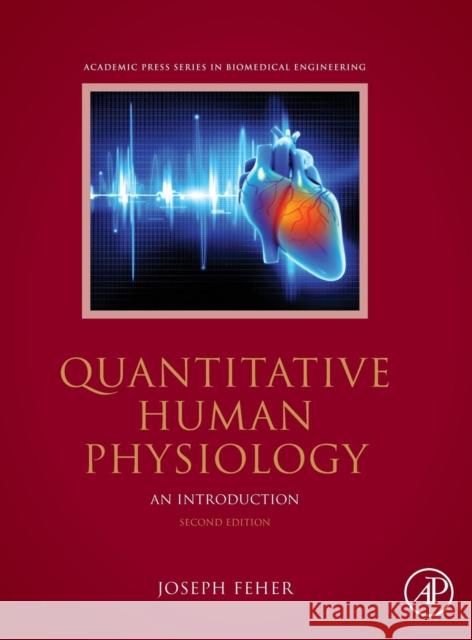
Joseph J. Feher
Quantitative Human Physiology: An Introduction Feher, Joseph J. 9780128008836 Academic Press - książkaWidoczna okładka, to zdjęcie poglądowe, a rzeczywista szata graficzna może różnić się od prezentowanej.

Quantitative Human Physiology: An Introduction

ISBN-13: 9780128008836 / Angielski / Twarda / 2016 / 1008 str.

Joseph J. Feher
cena 538,76
(netto: 513,10 VAT:  5%)

Najniższa cena z 30 dni: 532,17
Termin realizacji zamówienia:
ok. 30 dni roboczych.

Darmowa dostawa!

Quantitative Human Physiology: An Introduction is the first text to meet the needs of the undergraduate bioengineering student who is being exposed to physiology for the first time, but requires a more analytical/quantitative approach. This book explores how component behavior produces system behavior in physiological systems. Through text explanation, figures, and equations, it provides the engineering student with a basic understanding of physiological principles with an emphasis on quantitative aspects.

  • Features a quantitative approach that includes physical and chemical principles
  • Provides a more integrated approach from first principles, integrating anatomy, molecular biology, biochemistry and physiology
  • Includes clinical applications relevant to the biomedical engineering student (TENS, cochlear implants, blood substitutes, etc.)
  • Integrates labs and problem sets to provide opportunities for practice and assessment throughout the course
NEW FOR THE SECOND EDITION
  • Expansion of many sections to include relevant information
  • Addition of many new figures and re-drawing of other figures to update our understanding and clarify difficult areas
  • Substantial updating of the text to reflect newer research results Addition of several new appendices including statistics, nomenclature of transport carriers, and structural biology of important items such as the neuromuscular junction and calcium release unit
  • Addition of new problems within the problem sets
  • Addition of commentary to power point presentations

Kategorie:
Nauka, Medycyna
Kategorie BISAC:
Medical > Fizjologia
Science > Biotechnology
Technology & Engineering > Engineering (General)
Wydawca:
Academic Press
Język:
Angielski
ISBN-13:
9780128008836
Rok wydania:
2016
Ilość stron:
1008
Waga:
3.02 kg
Wymiary:
27.69 x 21.84 x 4.83
Oprawa:
Twarda
Wolumenów:
01

Unit 1: Physical and Chemical Foundations of Physiology1.1. The Core Principles of Physiology1.2. Physical Foundations of Physiology I: Pressure-Driven Flow1.3. Physical Foundations of Physiology II: Electrical Force, Potential, Capacitance, and CurrentProblem Set 1.1. Physical Foundations: Pressure and Electrical Forces and Flows1.4. Chemical Foundations of Physiology I: Chemical Energy and Intermolecular Forces1.5. Chemical Foundations of Physiology II: Concentration and Kinetics1.6. Diffusion1.7. Electrochemical Potential and Free EnergyProblem Set 1.2. Kinetics and DiffusionUnit 2: Membranes, Transport, and Metabolism2.1. Cell Structure2.2. DNA and Protein Synthesis2.3. Protein Structure2.4. Biological MembranesProblem Set 2.1. Surface Tension, Membrane Surface Tension, Membrane Structure, Microscopic Resolution, and Cell Fractionation2.5. Passive Transport and Facilitated Diffusion2.6. Active Transport: Pumps and Exchangers2.7. Osmosis and Osmotic PressureProblem Set 2.2. Membrane Transport2.8. Cell Signaling2.9. ATP Production I: Glycolysis2.10. ATP Production II: The TCA Cycle and Oxidative Phosphorylation2.11. ATP Production III: Fatty Acid Oxidation and Amino Acid OxidationUnit 3: Physiology of Excitable Cells3.1. The Origin of the Resting Membrane Potential3.2. The Action Potential3.3. Propagation of the Action PotentialProblem Set 3.1. Membrane Potential, Action Potential, and Nerve Conduction3.4. Skeletal Muscle Mechanics3.5. Contractile Mechanisms in Skeletal Muscle3.6. The Neuromuscular Junction and Excitation-Contraction Coupling3.7. Muscle Energetics, Fatigue, and TrainingProblem Set 3.2. Neuromuscular Transmission, Muscle Force, and Energetics3.8. Smooth MuscleUnit 4: The Nervous System4.1. Organization of the Nervous System4.2. Cells, Synapses, and Neurotransmitters4.3. Cutaneous Sensory Systems4.4. Spinal Reflexes4.5. Balance and Control of MovementProblem Set 4.1. Nerve Conduction4.6. The Chemical Senses4.7. Hearing4.8. Vision4.2 Problem Set. Sensory Transduction4.9. Autonomic Nervous SystemUnit 5: The Cardiovascular System5.1. Overview of the Cardiovascular System and the Blood5.2. Plasma and Red Blood Cells5.3. White Blood Cells and Inflammation5.4. The Heart as a PumpProblem Set 5.1. Blood5.5. The Cardiac Action Potential5.6. The Electrocardiogram5.7. The Cellular Basis of Cardiac Contractility5.8. The Cardiac Function CurveProblem Set 5.2. Cardiac Work5.9. Vascular Function: Hemodynamics5.10. The Microcirculation and Solute Exchange5.11. Regulation of Perfusion5.12. Integration of Cardiac Output and Venous Return5.13. Regulation of Arterial PressureProblem Set 5.3. Hemodynamics and MicrocirculationUnit 6: Respiratory Physiology6.1. The Mechanics of Breathing6.2. Lung Volumes and Airway Resistance6.3. Gas Exchange in the LungsProblem Set 6.1. Airway Resistance and Alveolar Gas Exchange6.4. Oxygen and Carbon Dioxide Transport6.5. Acid-Base Physiology I: The Bicarbonate Buffer System and Respiratory Compensation6.6. Control of VentilationProblem Set 6.2. Gas Transport and pH DisturbancesUnit 7: Renal Physiology7.1. Body Fluid Compartments7.2. Functional Anatomy of the Kidneys and Overview of Kidney Function7.3. Glomerular FiltrationProblem Set 7.1. Fluid Volumes, Glomerular Filtration, and Clearance7.4. Tubular Reabsorption and Secretion7.5. Mechanism of Concentration and Dilution of Urine7.6. Regulation of Fluid and Electrolyte Balance7.7. Renal Component of Acid-Base BalanceProblem Set 7.2. Fluid and Electrolyte Balance and Acid-Base BalanceUnit 8: Gastrointestinal Physiology8.1. Mouth and Esophagus8.2. The Stomach8.3. Intestinal and Colonic Chemoreception and Motility8.4. Pancreatic and Biliary Secretion8.5. Digestion and Absorption of the Macronutrients8.6. Energy Balance and Regulation of Food IntakeProblem Set 8.1. Energy BalanceUnit 9: Endocrine Physiology9.1. General Principles of Endocrinology9.2. Hypothalamus and Pituitary Gland9.3. The Thyroid Gland9.4. The Endocrine Pancreas and Control of Blood Glucose9.5. The Adrenal Cortex9.6. The Adrenal Medulla and Integration of Metabolic Control9.7. Calcium and Phosphorus Homeostasis I: The Calcitropic Hormones9.8. Calcium and Phosphorus Homeostasis II: Target Tissues and Integrated Control9.9. Female Reproductive Physiology9.10. Male Reproductive PhysiologyProblem Set 9.1. Ligand Binding

Dr. Feher is Professor Emeritus of Physiology and Biophysics at Virginia Commonwealth University. He received his Ph.D. from Cornell University, and has research interests in the quantitative understanding of the mechanisms of calcium uptake and release by the cardiac sarcoplasmic reticulum, in the mechanisms of calcium transport across the intestine, and in muscle contraction and relaxation. Dr. Feher developed a course in Introductory Quantitative Physiology at VCU and has been course coordinator for more than a decade. He also teaches muscle and cell physiology to medical and graduate students and is course coordinator for the Graduate Physiology survey course in physiology given at VCU's School of Medicine.


Udostępnij

Facebook - konto krainaksiazek.pl


Opinie o Krainaksiazek.pl na Opineo.pl

Partner Mybenefit

Krainaksiazek.pl w programie rzetelna firma Krainaksiaze.pl - płatności przez paypal

Czytaj nas na:

Facebook - krainaksiazek.pl
  • książki na zamówienie
  • granty
  • książka na prezent
  • kontakt
  • pomoc
  • opinie
  • regulamin
  • polityka prywatności

Zobacz:

  • Księgarnia czeska

  • Wydawnictwo Książkowe Klimaty

1997-2026 DolnySlask.com Agencja Internetowa

© 1997-2022 krainaksiazek.pl
     
KONTAKT | REGULAMIN | POLITYKA PRYWATNOŚCI | USTAWIENIA PRYWATNOŚCI
Zobacz: Księgarnia Czeska | Wydawnictwo Książkowe Klimaty | Mapa strony | Lista autorów
KrainaKsiazek.PL - Księgarnia Internetowa

Polityka prywatnosci - link
Krainaksiazek.pl - płatnośc Przelewy24
Przechowalnia Przechowalnia








