Promoting the Health and Well-Being of People with Learning Disabilities » książka

topmenu




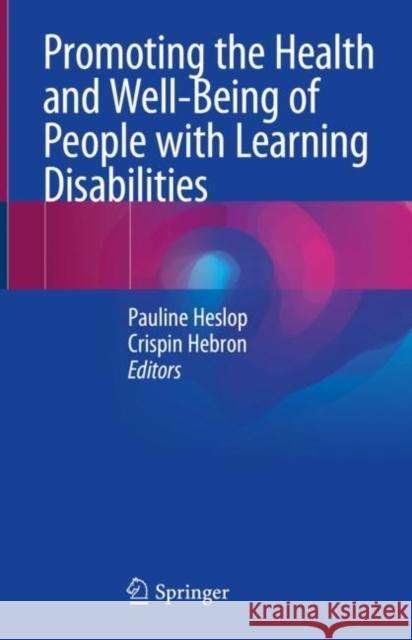
Promoting the Health and Well-Being of People with Learning Disabilities
ISBN-13: 9783030434878 / Angielski / Twarda / 2020 / 149 str.
Promoting the Health and Well-Being of People with Learning Disabilities
ISBN-13: 9783030434878 / Angielski / Twarda / 2020 / 149 str.
cena 241,50
(netto: 230,00 VAT: 5%)
Najniższa cena z 30 dni: 231,29
(netto: 230,00 VAT: 5%)
Najniższa cena z 30 dni: 231,29
Termin realizacji zamówienia:
ok. 22 dni roboczych.
ok. 22 dni roboczych.
Darmowa dostawa!
Kategorie BISAC:
Wydawca:
Springer
Język:
Angielski
ISBN-13:
9783030434878
Rok wydania:
2020
Wydanie:
2020
Ilość stron:
149
Waga:
0.36 kg
Wymiary:
23.88 x 19.56 x 1.02
Oprawa:
Twarda
Wolumenów:
01
Chapter 1. Being happy and healthy.
Pauline Heslop, Crispin Hebron, Robina Mallett, Sally-Anne Hillman
Content:
a) Guided reflection: What makes us happy and healthy? What is a ‘good life?’ How having learning disabilities might affect a person’s happiness and how healthy they are.
b) Key concepts: Inequalities experienced by people with learning disabilities.
c) Strategies to overcome potential difficulties for people with learning disabilities and how to implement themd) Narrative examples of ‘real life’ stories that illustrate positive practice.
e) Reflective questions.
Chapter 2. Communication
Hannah Crawford, Sam Bradley, Hilary Nozedar
Content:
a) Guided reflection: What helps us to communicate well with others? How having learning disabilities might affect a person’s communication. b) Key concepts: Core elements of good communication
c) Strategies to support good communication with people with learning disabilities e.g. Accessible Information Standard; Makaton; principles of good communication, so they receive the same standard of care as other people.
d) Narrative examples of how additional support with communication has helped a person with learning disabilities to access or receive good health care in relation to managing a long-term health condition such as dysphagia, diabetes, epilepsy
e) Reflective questions.
Chapter 3. Behaviour
Dave Williams, Michael Mulhall
Content:
a) Guided reflection: How do we behave when we are unwell, in pain, stressed or frightened? How having learning disabilities might affect a person’s behaviour. The response one would expect for people who do not have additional needs associated with learning disabilities.
b) Key concepts: behavioural changes in response to illness fear or stress
c) Strategies to support a person’s behaviour when they are unwell, in pain, stressed or frightened e.g. desensitisation; familiarisation; identifying diagnostic overshadowing, so they receive the same standard of care as other patients.
c) Narrative examples of how understanding and responding to a person’s behaviour has helped them to have an illness diagnosed early and to access or receive good health care e.g. in recognising constipation; aspiration pneumonia; early signs of sepsis
e) Reflective questions.
Chapter 4. Decision-making
Sally Wilson and Liam Abraham
Content:
a) Guided reflection: What helps us to make good decisions? How having learning disabilities might affect how a person makes decisions. The response one would expect for people who do not have additional needs associated with learning disabilities.
b) Key concepts: What we mean by ‘Capacity’ and ‘consent’; the requirements of the Mental Capacity Act. c) Strategies to support a person to contribute to decision-making
d) Narrative examples of where the Mental Capacity Act has been used effectively to support a person without capacity to access or receive good health care e.g. to have a blood test, undergo surgery
e) Reflective questions.
Gwen Moulster, Darren Davis, Jonathon Lenaerts, Mo Gouda
Content:
a) Guided reflection: How do we access health services? How having learning disabilities might affect how a person accesses healthcare. The response one would expect for people who do not have additional needs associated with learning disabilities.
b) Key concepts: The provision of Reasonable Adjustments under the Equality Act 2010
c) Strategies to support a person with learning disabilities to have their care reasonably adjusted so they receive the same standard of care as other patients. d) Narrative examples of where Reasonable Adjustments have been used effectively to support a person with learning disabilities to access or receive good health care e.g. hospital passports, communication books, pain recognition tools, preadmission visits to hospital, multiple procedures under one anaesthetic.e) Reflective questions.
Daniel Marsden, Susan Cooper
Content:
a) Guided reflection: How would we want to be treated when we have one or more long term health conditions? How having learning disabilities might affect how a person is treated. The response one would expect for patients who do not have additional needs associated with learning disabilities. b) Key concepts: The importance of holistic care and effective care coordination.
c) Strategies to support people with learning disabilities when they are unwell e.g. seeing the person as a whole; working with families; engaging with specialist learning disability staff; importance of advocacy; health navigators / coordinators; transition between services, summary care records/sharing information appropriately.
d) Narrative examples of coordinated care for people with learning disabilities (e.g. someone with complex needs – ventilator dependent or using oxygen; someone newly diagnosed with cancer; someone at transition between children’s and adult services)
e) Reflective questions.
Chapter 7. Psychotropic medication
Danielle Adams, Barry Jubraj
Content:
a) Guided reflection: What questions do we ask when we are prescribed a new medication? How having learning disabilities might affect how a person understands their medication and its effects. The service response one would expect for people who do not have additional needs associated with learning disabilities. b) Key concepts: Psychotropic medication use for people with learning disabilities. c) Strategies to help people to understand their medications and to minimise medication over use e.g. the STOMP programme.
d) Narrative examples of where a review of psychotropic medication has helped to improve the health of a person with learning disabilities (e.g. mental well-being; general physical health).
e) Reflective questions.
Irene Tuffrey Wijne, Jean Wilson
Content:
a) Guided reflection: What would a ‘good death’ be? How having learning disabilities might affect whether a person has a ‘good death’. The service response one would expect for patients who do not have additional needs associated with learning disabilities.
b) Key concepts: Components of good end of life care
c) Strategies to support people with learning disabilities at the end of their life e.g. explanations, advance care planning, pain relief, hospice involvement, so they receive the same standard of care as other people.
d) Narrative examples of where good end of life care has been provided to a person with learning disabilities (person with dementia; person with end-stage cancer).
e) Reflective questions.
Chapter 9. Staying healthy
Jackie Fletcher, Jill Parker, Jordan Smith
Content
a) Guided reflection: What do we do to keep ourselves healthy? How having learning disabilities might affect how a person looks after themselves and stays healthy.
b) Core concepts: Key components of a healthy lifestyle
c) Strategies to support people with learning disabilities to have a healthy lifestyle e.g. weight management, exercise, sleep, dental care, postural management, immunisations, cancer screening, annual health checks, sight/hearing checks, good mental health. d) Narrative examples of how people with learning disabilities have been supported to look after their health (weight management; use of health action plan; attending cancer screening).
e) Reflective questions.
Chapter 10. Sources of advice about our health or that of others.
Anna Marriott, Sue Turner and Beth Richards
Overall, the narrative examples will include
• Children and adults• The needs of people from different ethnic groups
• Illustration of partnerships between learning disability and mainstream services and families in providing support to people with learning disabilities
Authors have agreed to contribute to the textbook.
Professor Pauline Heslop (RGN, RSCN, PhD) is a nurse by background and is currently based at the University of Bristol’s Norah Fry Centre for Disability Studies. She is recognised nationally and internationally for her expertise in understanding mortality and causes of early death of people with intellectual (learning) disabilities, and publication of her work has led to her being awarded the International Association for the Scientific Study of Intellectual and Developmental Disabilities (IASSIDD) Distinguished Achievement Award in 2016. Pauline has been the University of Bristol Programme Lead for the national Learning Disabilities Mortality Review (LeDeR) Programme in England since 2015.
Crispin Hebron (RNMH. Dip.SW. BSc (Hons). MSc.) works as an Independent Consultant Learning Disability Nurse. He has held a range of roles across the public, private and voluntary sector including work with NHS England as a Clinical Lead to reduce health inequalities for people with learning disabilities and NHS Digital to create a Reasonable Adjustment Flag on patients’ electronic records. Crispin has contributed as an investigator to the Confidential Inquiry into premature deaths in people with learning disability published in 2013, run by the Norah Fry Centre for Disability Studies University of Bristol and the 2016 review into using information technology to improve the NHS. Crispin has published various articles and book chapters focusing on equality, health issues and the delivery of effective services for people with learning disabilities.
This textbook presents a practical guide for new and experienced health or social care staff, helping them promote the health and well-being of people with learning disabilities. Given the considerable demand for mandatory training on supporting people with learning disabilities, especially in England, the book provides a valuable resource for all training courses on working with people with learning disabilities.
The chapters are co-written by practitioners and people with learning disabilities and their families, rooting the book in the lived experiences of those concerned. Topics covered include core elements of being happy and healthy, communication, changes in our behaviour when we are unwell, making decisions about our health, accessing health services, how we would want to be treated if we were unwell, the use of psychotropic medication, what a ‘good death’ would be, and how to keep ourselves healthy. In addition, the chapters include narrative examples concerning people with learning disabilities and their families, so as to highlight key points and share best-practice examples. The use of personal reflection is used to consider how we can ensure that people with learning disabilities receive care and support that matches what we would expect for ourselves. Core questions at the end of each chapter ask the reader to reflect on how the chapter content relates to their own work and how they will apply what they have learned.




Czytaj nas na:
1997-2026 DolnySlask.com Agencja Internetowa
Zobacz: Księgarnia Czeska | Wydawnictwo Książkowe Klimaty | Mapa strony | Lista autorów
KrainaKsiazek.PL - Księgarnia Internetowa

KrainaKsiazek.PL - Księgarnia Internetowa

