• Wyszukiwanie zaawansowane
  • Kategorie
  • Kategorie BISAC
  • Książki na zamówienie
  • Promocje
  • Granty
  • Książka na prezent
  • Opinie
  • Pomoc
  • Załóż konto
  • Zaloguj się

Principles of Human Resource M » książka


zaloguj się | załóż konto
Logo Krainaksiazek.pl

koszyk

konto

szukaj
topmenu
Księgarnia internetowa
Szukaj
Książki na zamówienie
Promocje
Granty
Książka na prezent
Moje konto
Pomoc
 
 
Wyszukiwanie zaawansowane
Pusty koszyk
Bezpłatna dostawa dla zamówień powyżej 20 złBezpłatna dostawa dla zamówień powyżej 20 zł

Kategorie główne

• Nauka
 [2946912]
• Literatura piękna
 [1852311]

  więcej...
• Turystyka
 [71421]
• Informatyka
 [150889]
• Komiksy
 [35717]
• Encyklopedie
 [23177]
• Dziecięca
 [617324]
• Hobby
 [138808]
• AudioBooki
 [1671]
• Literatura faktu
 [228371]
• Muzyka CD
 [400]
• Słowniki
 [2841]
• Inne
 [445428]
• Kalendarze
 [1545]
• Podręczniki
 [166819]
• Poradniki
 [480180]
• Religia
 [510412]
• Czasopisma
 [525]
• Sport
 [61271]
• Sztuka
 [242929]
• CD, DVD, Video
 [3371]
• Technologie
 [219258]
• Zdrowie
 [100961]
• Książkowe Klimaty
 [124]
• Zabawki
 [2341]
• Puzzle, gry
 [3766]
• Literatura w języku ukraińskim
 [255]
• Art. papiernicze i szkolne
 [7810]
Kategorie szczegółowe BISAC

Principles of Human Resource M

ISBN-13: 9780631201786 / Angielski / Miękka / 2000 / 466 str.
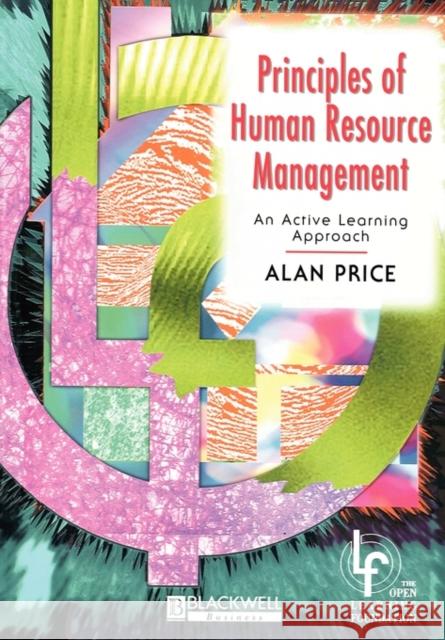
Alan Price
Principles of Human Resource M Price, Alan 9780631201786 Blackwell Publishers - książkaWidoczna okładka, to zdjęcie poglądowe, a rzeczywista szata graficzna może różnić się od prezentowanej.

Principles of Human Resource M

ISBN-13: 9780631201786 / Angielski / Miękka / 2000 / 466 str.

Alan Price
cena 277,46
(netto: 264,25 VAT:  5%)

Najniższa cena z 30 dni: 275,19
Termin realizacji zamówienia:
ok. 30 dni roboczych
Bez gwarancji dostawy przed świętami

Darmowa dostawa!

Principles of Human Resource Management is part of a major new national programme of texts and modules designed for undergraduate students following business studies degree courses. It provides 150 hours of high quality study designed to be used by students in a supported learning environment. The module provides a comprehensive introduction to the development of human resource management and the changing nature of work. It also covers some of the key topics in the field, including equal opportunities, employee resourcing, employee relations, reward management and employee development. Principles of Human Resource Management contains numerous activities, exercises and examples to develop an in-depth understanding of the subject. It is the most effective teaching and learning resource available at this level.


Kategorie:
Nauka, Ekonomia i biznes
Kategorie BISAC:
Business & Economics > Zarządzenie zasobami ludzkimi
Wydawca:
Blackwell Publishers
Seria wydawnicza:
In Charge
Język:
Angielski
ISBN-13:
9780631201786
Rok wydania:
2000
Numer serii:
000011431
Ilość stron:
466
Waga:
0.74 kg
Wymiary:
24.3 x 17.8 x 2.5
Oprawa:
Miękka
Wolumenów:
01

Guide for Students XV.

Unit 1: Introduction to Human Resource:.

Management.

Introduction.

Objectives.

Part I: The Theoretical Basis of Human Resource: .

Management.

Introduction.

1.1 Defining HRM.

1.2 Origins.

1.3 The Driving Forces of Human Resource Management.

Summary.

Part II: HRM and Personnel Management:.

Introduction.

2.1 The Personnel Management Tradition.

2.2 Personnel Management and HRM.

2.3 Generalists and Specialists.

Summary.

Part III: Models and Theories of Human Resource Management:.

Introduction.

3.1 The Harvard Model.

3.2 The Michigan Model.

3.3 The Purpose of HRM.

3.4 Common Features of Human Resource Models.

Summary.

Unit Review Activity.

Unit Summary.

References.

Recommended Reading.

Answers to Unit Review Activity.

Unit 2: The Changing Nature of Work:.

Introduction.

Objectives.


Part I: Changing Types and Patterns of Work:.

Introduction.

1.1 Knowledge, Skills and The Job Market.

1.2 Flexibility.

1.3 The Flexible Firm.

Summary.

Part II: Alternative Staffing:.

Introduction.

2.1 Part–time Working.

2.2 Job Sharing.

2.3 Temporary and Contingent Employees.

Summary.

Part III: Trends in Work Organisation:.

Introduction.

3.1 Managing People in Flat and Distributed Organisations.

3.2 Management Through Networks.

3.3 Teleworking.

Summary.

Unit Review Activity.

Unit Summary.

References.

Recommended Reading.

Answers to Unit Review Activity.

Unit 3: Employment Resourcing: Planning and Recruitment:.

Introduction.

Objectives.

Part I: Planning and Forecasting:.

Introduction.

1.1 Human Resource Planning.

1.2 Turnover and Wastage.

1.3 Integrated Planning.

Summary.

Part II: Job Analysis:.

Introduction.

2.1 Collecting Job Information.

2.2 Analysing Job Information.

2.3 Job Descriptions and Personnel Specifications.

Summary.

Part III: Recruitment:.

Introduction.

3.1 Applicant Targeting.

3.2 Informal Versus Formal Recruiting.

Summary.

Unit Review Activity.

Unit Summary.

References.

Recommended Reading.

Answers to Unit Review Activity.

Unit 4: Employee Resourcing: Selection:.

Introduction.

Objectives.

Part I: Candidate Data and Screening:.

Introduction.

1.1 Aims of The Selection Process.

1.2 Job Applications.

1.3 Using Candidate Data.

1.4 Validity and Reliability of Selection Methods.

Summary.

Part II: Selection Interviews:.

Introduction.

2.1 Interviewing as a Selection Method.

2.2 Criticisms of Interviewing as a Method of Selection.

2.3 Structured Interviewing.

Summary.

Part III: Advanced Selection Methods:.

Introduction.

3.1 Psychometric Tests.

3.2 Work Samples and Assessment Centres.

3.3 Use of Different Selection Methods.

Summary.

Unit Summary.

References.

Recommended Reading.

Unit 5: Performance Management:.

Introduction.

Objectives.

Part I: Managing Performance:.

Introduction.

1.1 Performance Management Systems.

1.2 Foundations of Performance Assessment.

1.3 Performance Objectives.

Summary.

Part II: Measuring Performance:.

Introduction.

2.1 Traditional Appraisals.

2.2 Competence Approaches.

2.3 Assessing Organisations and Teams.

Summary.

Part III: The Consequences of Performance Management:.

Introduction.

3.1 Performance Feedback.

3.2 Performance Management and Pay.

3.3 Feedback and Human Resource Development.

Summary.

Unit Review Activity.

Unit Summary.

References.

Recommended Reading.

Answers to Unit Review Activity.

Unit 6: Equality of Opportunity:.

Introduction.

Objectives.

Part I: Equal Opportunities in Context:.

Introduction.

1.1 Discrimination and Inequality.

1.2 Ethical and Social Dimensions.

1.3 Management of Diversity.

Summary.

Part II: Race, Ethnicity and Gender:.

Introduction.

2.1 Race and Ethnicity.

2.2 Gender.

2.3 Gender Roles and Responsibilities.

Summary.

Part III: Other Forms of Discrimination:.

Introduction.

3.1 Disability.

3.2 Age Discrimination.

3.3 Ex–offenders.

Summary.

Unit Review Activities.

Unit Summary.

References.

Recommended Reading.

Answers to Unit Review Activities.

Unit 7: Employee Relations:.

Introduction.

Objectives.

Part I: The Industrial Relations Tradition:.

Introduction.

1.1 Industrial Relations and Collectivism.

1.2 The Evolution of Industrial Relations.

1.3 Individualism and Thatcherism.

Summary.

Part II: Human Resource Management and Employee
Relations:
.

Introduction.

2.1 Strategies for Employee Relations.

2.2 Impact of The European Union: Social Partnership and Employee Involvement.

2.3 Types of Employee Involvement.

Summary.

Part III: Conflict, Bargaining and Discipline:.

Introduction.

3.1 Conflict.

3.2 Discipline.

3.3 Arbitration Mechanisms.

Summary.

Unit Review Activity.

Unit Summary.

References.

Recommended Reading.

Answers to Unit Review Activity.

Unit 8: Human Resource Development:.

Introduction.

Objectives.

Part I: Human Resource Development at National Level:.

Introduction.

1.1 Human Capital.

1.2 National Initiatives.

1.3 Investing in People.

Summary.

Part II: Human Resource Development at the Organisational Level:.

Introduction.

2.1 Strategic HRD.

2.2 HRD and Knowledge Management.

2.3 Training and Learning.

Summary.

Part III: Human Resource Development and the Individual: .

Introduction.

3.1 Identifying Development Needs.

3.2 Development Methods.

3.3 Management Development.

Summary.

Unit Review Activity.

Unit Summary.

References.

Recommended Reading.

Answers to Review Activity.

Resources.

Resource 1: The Credible Journey.

Resource 2: Rewarding a Model Merger.

Resource 3: How to Determine Future Work–force Needs.

Resource 4: Bonnypark District Council – Job Application Form.

Resource 5: Fair Chance of a Job in IT.

Resource 6: Out of the Tick Box.

Resource 7: Companies Evaluate Employees From
all Perspectives.

Resource 8: In the Classroom, Pride and Passion Mean More Than Performance Pay.

Resource 9: Missed a Motivator.

Resource 10: The Low Down: Work and Family.

Resource 11: Flexibility Scheduling Comes Out of Flux.

Resource 12: Looking For a Colour Blind Employer.

Resource 13: Phone Workers′ Brain Strain.

Resource 14: Unattractive Contracts.

Resource 15: Share Strength.

Resource 16: Core Values Shape W. L. Gore′s Innovative Culture.

Formerly Principal Lecturer in Human Resource Management at Thames Valley University School of Business, Alan Price is the author of several books and editor of The Internet Guide to Human Resource Management.

Principles of Human Resource Management is part of a major new national programme of texts and modules designed for undergraduate students following business studies degree courses. It provides 150 hours of high quality study designed to be used by students in a supported learning environment.

The module provides a comprehensive introduction to the development of human resource management and the changing nature of work. It also covers some of the key topics in the field, including equal opportunities, employee resourcing, employee relations, reward management and employee development.

Principles of Human Resource Management contains numerous activities, exercises and examples to develop an in–depth understanding of the subject. It is the most effective teaching and learning resource available at this level.

Price, Alan Alan Price is associate professor of English and A... więcej >


Udostępnij

Facebook - konto krainaksiazek.pl


Opinie o Krainaksiazek.pl na Opineo.pl

Partner Mybenefit

Krainaksiazek.pl w programie rzetelna firma Krainaksiaze.pl - płatności przez paypal

Czytaj nas na:

Facebook - krainaksiazek.pl
  • książki na zamówienie
  • granty
  • książka na prezent
  • kontakt
  • pomoc
  • opinie
  • regulamin
  • polityka prywatności

Zobacz:

  • Księgarnia czeska

  • Wydawnictwo Książkowe Klimaty

1997-2025 DolnySlask.com Agencja Internetowa

© 1997-2022 krainaksiazek.pl
     
KONTAKT | REGULAMIN | POLITYKA PRYWATNOŚCI | USTAWIENIA PRYWATNOŚCI
Zobacz: Księgarnia Czeska | Wydawnictwo Książkowe Klimaty | Mapa strony | Lista autorów
KrainaKsiazek.PL - Księgarnia Internetowa

Polityka prywatnosci - link
Krainaksiazek.pl - płatnośc Przelewy24
Przechowalnia Przechowalnia




