• Wyszukiwanie zaawansowane
  • Kategorie
  • Kategorie BISAC
  • Książki na zamówienie
  • Promocje
  • Granty
  • Książka na prezent
  • Opinie
  • Pomoc
  • Załóż konto
  • Zaloguj się

Populist Foreign Policy: Regional Perspectives of Populism in the International Scene » książka


zaloguj się | załóż konto
Logo Krainaksiazek.pl

koszyk

konto

szukaj
topmenu
Księgarnia internetowa
Szukaj
Książki na zamówienie
Promocje
Granty
Książka na prezent
Moje konto
Pomoc
 
 
Wyszukiwanie zaawansowane
Pusty koszyk
Bezpłatna dostawa dla zamówień powyżej 20 złBezpłatna dostawa dla zamówień powyżej 20 zł

Kategorie główne

• Nauka
 [2952079]
• Literatura piękna
 [1850969]

  więcej...
• Turystyka
 [71058]
• Informatyka
 [151066]
• Komiksy
 [35579]
• Encyklopedie
 [23181]
• Dziecięca
 [620496]
• Hobby
 [139036]
• AudioBooki
 [1646]
• Literatura faktu
 [228729]
• Muzyka CD
 [379]
• Słowniki
 [2932]
• Inne
 [445708]
• Kalendarze
 [1409]
• Podręczniki
 [164793]
• Poradniki
 [480107]
• Religia
 [510956]
• Czasopisma
 [511]
• Sport
 [61267]
• Sztuka
 [243299]
• CD, DVD, Video
 [3411]
• Technologie
 [219640]
• Zdrowie
 [100984]
• Książkowe Klimaty
 [124]
• Zabawki
 [2281]
• Puzzle, gry
 [3363]
• Literatura w języku ukraińskim
 [258]
• Art. papiernicze i szkolne
 [8020]
Kategorie szczegółowe BISAC

Populist Foreign Policy: Regional Perspectives of Populism in the International Scene

ISBN-13: 9783031227721 / Angielski / Twarda / 2023
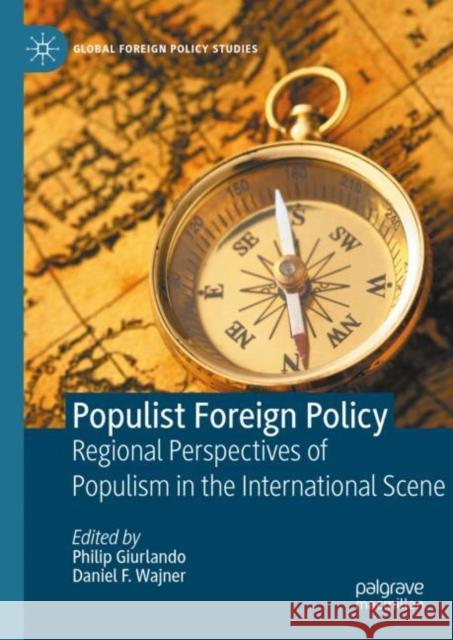
Philip Giurlando; Daniel Wajner
Populist Foreign Policy: Regional Perspectives of Populism in the International Scene Philip Giurlando Daniel Wajner 9783031227721 Palgrave MacMillan - książkaWidoczna okładka, to zdjęcie poglądowe, a rzeczywista szata graficzna może różnić się od prezentowanej.

Populist Foreign Policy: Regional Perspectives of Populism in the International Scene

ISBN-13: 9783031227721 / Angielski / Twarda / 2023

Philip Giurlando; Daniel Wajner
cena 564,88
(netto: 537,98 VAT:  5%)

Najniższa cena z 30 dni: 501,19
Termin realizacji zamówienia:
ok. 22 dni roboczych.

Darmowa dostawa!
inne wydania

This book explores the global phenomenon of populism in relation to states' foreign policy, addressing two key questions:How do populists mold their foreign policies? What are the domestic and external factors that enable and constrain it?To this end, the book brings together a diverse group of scholars who have already researched on populist foreign policies (PFP) in specific countries to contribute shared chapters that examine their drivers, patterns, and effects according to distinctive regions: North America, Western Europe, Southern Europe, Central-Eastern Europe, Latin America, South-East Asia, the Middle East, Oceania, and Africa.The empirical analysis sheds new light on how populists’ distinctive conception of a world divided antagonistically between “the people” and “the elites” influences behaviour towards multilateral organizations such as the United Nations and the European Union, and regional or global hegemonic powers like the United States, Germany, Russia, and China. The book also shows how ideas related to identity, ideology, status and emotions, impinge on populists’ conduct vis-à-vis other international actors, and how national and international structures affect the implementation of populist foreign policies in the regional, interregional, and global arenas. The wide geographical diversity and regional representation are also valuable in identifying cultural similarities and differences. Hence, the findings contribute to lively debates on whetherthere is a unified and coherent foreign policy among populist leaderships, and whetherpopulism leads to a gradual “corrective” of transnational trends in contemporary politics or, conversely, to a more radical, structural shift in the liberal international order.


This book explores the global phenomenon of populism in relation to states' foreign policy, addressing two key questions: How do populists mold their foreign policies? What are the domestic and external factors that enable and constrain it? To this end, the book brings together a diverse group of scholars who have already researched on populist foreign policies (PFP) in specific countries to contribute shared chapters that examine their drivers, patterns, and effects according to distinctive regions: North America, Western Europe, Southern Europe, Central-Eastern Europe, Latin America, South-East Asia, the Middle East, Oceania, and Africa.  
 The empirical analysis sheds new light on how populists’ distinctive conception of a world divided antagonistically between “the people” and “the elites” influences behaviour towards multilateral organizations such as the United Nations and the European Union, and regional or global hegemonic powers like the United States, Germany, Russia, and China. The book also shows how ideas related to identity, ideology, status and emotions, impinge on populists’ conduct vis-à-vis other international actors, and how national and international structures affect the implementation of populist foreign policies in the regional, interregional, and global arenas. The wide geographical diversity and regional representation are also valuable in identifying cultural similarities and differences. Hence, the findings contribute to lively debates on whether there is a unified and coherent foreign policy among populist leaderships, and whether populism leads to a gradual “corrective” of transnational trends in contemporary politics or, conversely, to a more radical, structural shift in the liberal international order.

Kategorie:
Nauka, Polityka
Kategorie BISAC:
Political Science > International Relations - General
Political Science > Public Policy - General
Wydawca:
Palgrave MacMillan
Seria wydawnicza:
Global Foreign Policy Studies
Język:
Angielski
ISBN-13:
9783031227721
Rok wydania:
2023
Dostępne języki:
Numer serii:
001264204
Oprawa:
Twarda
Dodatkowe informacje:
Wydanie ilustrowane

1. Introduction to Populist Foreign Policy (PFP).

2. Digging New Western European Trenches: Populism and the Foreign Policies of Germany and the Netherlands.- 3. Populist Foreign Policy in Southern Europe.
4. Populist Foreign Policy in Central and Eastern Europe: Poland, Hungary and the Shock of the Ukraine Crisis.- 5. The Trump Shock: Populism and Changing Narratives of US Foreign Policy.
6. Tradition, Geopolitical Constraints, and Leadership Styles in Latin American Populist Foreign Policy.
7. Populist Foreign Policy in the Middle East and North Africa.
8. Leadership, Context, and Populist Foreign Policy in East Africa: An Analysis of Uganda and Rwanda.
9. Populist Foreign Policy in Asia.
10. Aotearoa New Zealand and the Quasi-Populist Foreign Policy of New Zealand First.
11. Conclusions: Populist Foreign Policy in a Comparative Perspective.

Philip Giurlando is Assistant Professor of International politics at Xi'an Jiaotong-Liverpool University. Populist foreign policies are one of his core areas of research, and his most recent publication on the subject is “Populist Foreign Policy: The Case of Italy” in the Canadian Journal of Foreign Policy.  


Daniel F. Wajner is Lecturer (Assistant Professor) in the Department of International Relations and the European Forum at the Hebrew University of Jerusalem. He has published academic articles on populist foreign policies, with a particular focus on Latin America, Europe and the Middle East, in British Journal of Politics and International Relations, Comparative Political Theory, Journal of International Relations and Development, and Latin American Research Review.

This book explores the global phenomenon of populism in relation to states' foreign policy, addressing two key questions: How do populists mold their foreign policies? What are the domestic and external factors that enable and constrain it? To this end, the book brings together a diverse group of scholars who have already researched on populist foreign policies (PFP) in specific countries to contribute shared chapters that examine their drivers, patterns, and effects according to distinctive regions: North America, Western Europe, Southern Europe, Central-Eastern Europe, Latin America, South-East Asia, the Middle East, Oceania, and Africa.  


The empirical analysis sheds new light on how populists’ distinctive conception of a world divided antagonistically between “the people” and “the elites” influences behaviour towards multilateral organizations such as the United Nations and the European Union, and regional or global hegemonic powers like the United States, Germany, Russia, and China. The book also shows how ideas related to identity, ideology, status and emotions, impinge on populists’ conduct vis-à-vis other international actors, and how national and international structures affect the implementation of populist foreign policies in the regional, interregional, and global arenas. The wide geographical diversity and regional representation are also valuable in identifying cultural similarities and differences. Hence, the findings contribute to lively debates on whether there is a unified and coherent foreign policy among populist leaderships, and whether populism leads to a gradual “corrective” of transnational trends in contemporary politics or, conversely, to a more radical, structural shift in the liberal international order.



Philip Giurlando is Assistant Professor of International politics at Xi'an Jiaotong-Liverpool University. Populist foreign policies are one of his core areas of research, and his most recent publication on the subject is “Populist Foreign Policy: The Case of Italy” in the Canadian Journal of Foreign Policy.  


Daniel F. Wajner is Lecturer (Assistant Professor) in the Department of International Relations and the European Forum at the Hebrew University of Jerusalem. He has published academic articles on populist foreign policies, with a particular focus on Latin America, Europe and the Middle East, in British Journal of Politics and International Relations, Comparative Political Theory, Journal of International Relations and Development, and Latin American Research Review. 


Udostępnij

Facebook - konto krainaksiazek.pl


Opinie o Krainaksiazek.pl na Opineo.pl

Partner Mybenefit

Krainaksiazek.pl w programie rzetelna firma Krainaksiaze.pl - płatności przez paypal

Czytaj nas na:

Facebook - krainaksiazek.pl
  • książki na zamówienie
  • granty
  • książka na prezent
  • kontakt
  • pomoc
  • opinie
  • regulamin
  • polityka prywatności

Zobacz:

  • Księgarnia czeska

  • Wydawnictwo Książkowe Klimaty

1997-2026 DolnySlask.com Agencja Internetowa

© 1997-2022 krainaksiazek.pl
     
KONTAKT | REGULAMIN | POLITYKA PRYWATNOŚCI | USTAWIENIA PRYWATNOŚCI
Zobacz: Księgarnia Czeska | Wydawnictwo Książkowe Klimaty | Mapa strony | Lista autorów
KrainaKsiazek.PL - Księgarnia Internetowa

Polityka prywatnosci - link
Krainaksiazek.pl - płatnośc Przelewy24
Przechowalnia Przechowalnia





