Plants in Alpine Regions: Cell Physiology of Adaption and Survival Strategies » książka





Plants in Alpine Regions: Cell Physiology of Adaption and Survival Strategies
ISBN-13: 9783709101353 / Angielski / Twarda / 2011 / 202 str.
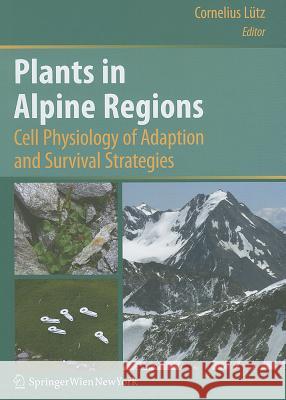
High alpine plants have attracted public interest since centuries because of their often beautiful appearance, their role in traditional medicine and their obvious fitness in a harsh environment. While ecophysiology could already explain a number of survival processes in mountain plants, a survey of current research on cell physiology and ultrastructure was missing. This book brings together experts from different fields, who use a broad spectrum of methods to investigate the physiological and cellular adaptation of alpine plants from tree line to the upper limits. The combination of often high light intensities (including UV) with cold or freezing temperatures, overlaid by the demand for fast tissue development, flowering, propagation, has been managed by alpine plants, but not presented in a context of most recent research. Therefore the book considers ice formation and winter conditions in alpine plants; the fate of cryophilic algae and microorganisms; cell structural adaptations; sexual reproduction in high altitudes; physiology of photosynthesis, antioxidants, metabolites, carbon and nitrogen; influences of microclimate (temperatures at the plant level, heat tolerance), UV-light, weather and ozone.
Studying life processes in alpine extreme environments may also bring new ideas to understand the range of adaptation processes in lowland plants.
This book brings together experts from different fields, who used a broad spectrum of methods to investigate the physiological and cellular adaptation of alpine plants from the tree line to the upper limits. Some articles link alpine plant physiology with physiological adaptations observed in polar plants.§Tolerance against often high light intensities (including UV), cold or freezing temperatures, in addition to the need for fast tissue development, flowering, and propagation that is managed by alpine plants are to some extent underrepresented in recent research. This volume considers ice formation and winter conditions in alpine plants; the fate of cryophilic algae and microorganisms; cell structural adaptations; sexual reproduction in high altitudes; the physiology of photosynthesis, antioxidants, metabolites, carbon and nitrogen; and the influences of microclimate (temperatures at the plant level, heat tolerance), UV light, weather and ozone. Further information on life processes in alpine extreme environments may additionally yield new insights into the range of adaptation processes in lowland plants.§




Czytaj nas na:
KrainaKsiazek.PL - Księgarnia Internetowa


