• Wyszukiwanie zaawansowane
  • Kategorie
  • Kategorie BISAC
  • Książki na zamówienie
  • Promocje
  • Granty
  • Książka na prezent
  • Opinie
  • Pomoc
  • Załóż konto
  • Zaloguj się

Plant Protoplasts and Genetic Engineering III » książka


zaloguj się | załóż konto
Logo Krainaksiazek.pl

koszyk

konto

szukaj
topmenu
Księgarnia internetowa
Szukaj
Książki na zamówienie
Promocje
Granty
Książka na prezent
Moje konto
Pomoc
 
 
Wyszukiwanie zaawansowane
Pusty koszyk
Bezpłatna dostawa dla zamówień powyżej 20 złBezpłatna dostawa dla zamówień powyżej 20 zł

Kategorie główne

• Nauka
 [2949965]
• Literatura piękna
 [1857847]

  więcej...
• Turystyka
 [70818]
• Informatyka
 [151303]
• Komiksy
 [35733]
• Encyklopedie
 [23180]
• Dziecięca
 [617748]
• Hobby
 [139972]
• AudioBooki
 [1650]
• Literatura faktu
 [228361]
• Muzyka CD
 [398]
• Słowniki
 [2862]
• Inne
 [444732]
• Kalendarze
 [1620]
• Podręczniki
 [167233]
• Poradniki
 [482388]
• Religia
 [509867]
• Czasopisma
 [533]
• Sport
 [61361]
• Sztuka
 [243125]
• CD, DVD, Video
 [3451]
• Technologie
 [219309]
• Zdrowie
 [101347]
• Książkowe Klimaty
 [123]
• Zabawki
 [2362]
• Puzzle, gry
 [3791]
• Literatura w języku ukraińskim
 [253]
• Art. papiernicze i szkolne
 [7933]
Kategorie szczegółowe BISAC

Plant Protoplasts and Genetic Engineering III

ISBN-13: 9783642780080 / Angielski / Miękka / 2011 / 332 str.
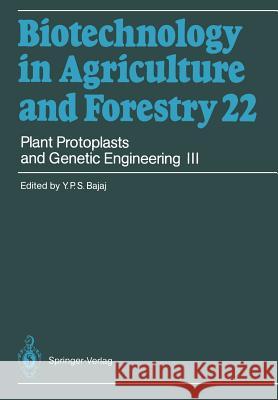
Plant Protoplasts and Genetic Engineering III  9783642780080 Springer - książkaWidoczna okładka, to zdjęcie poglądowe, a rzeczywista szata graficzna może różnić się od prezentowanej.

Plant Protoplasts and Genetic Engineering III

ISBN-13: 9783642780080 / Angielski / Miękka / 2011 / 332 str.

cena 403,47 zł
(netto: 384,26 VAT:  5%)

Najniższa cena z 30 dni: 385,52 zł
Termin realizacji zamówienia:
ok. 22 dni roboczych
Bez gwarancji dostawy przed świętami

Darmowa dostawa!

In continuation of Volumes 8 and 9 (1989) on in vitro manipulation of plant protoplasts, this new volume deals with the regeneration of plants from protoplasts and genetic transformation in various species of Agrostis, Arabidopsis, Atropa, Brassica, Catharanthus, Datura, Cucumis, Daucus, Digitalis, Duboisia, Eustoma, Festuca, Helianthus, Hordeum, Kalanchoe, Linum, Lobelia, Lolium, Lotus, Lycium, Lycopersicum, Mentha, Nicotiana, Pelargonium, Pisum, Pyrus, Salvia, Scopolia, and Solanum.These studies reflect the far reaching implications of protoplast technologyin genetic engineering of plants. They are of special interest to researchers in the field of plant tissue culture, molecular biology, genetic engineering, and plant breeding.


Kategorie:
Nauka, Biologia i przyroda
Kategorie BISAC:
Nature > Plants - Flowers
Technology & Engineering > Agriculture - Forestry
Science > Botanika
Wydawca:
Springer
Seria wydawnicza:
Biotechnology in Agriculture and Forestry
Język:
Angielski
ISBN-13:
9783642780080
Rok wydania:
2011
Wydanie:
Softcover Repri
Numer serii:
000053271
Ilość stron:
332
Waga:
0.61 kg
Wymiary:
24.2 x 17.0
Oprawa:
Miękka
Wolumenów:
01

Section I Regeneration of Plants from Protoplasts.- I.1 Regeneration of Plants from Protoplasts of Agrostis alba (Redtop).- 1 Introduction.- 2 Induction of Embryogenic Callus and Establishment of Embryogenic Suspension Culture.- 3 Isolation of Protoplasts.- 4 Culture of Protoplasts.- 5 Regeneration of Plants.- 6 Conclusions.- 7 Protocol.- References.- I.2 Regeneration of Plants from Protoplasts of Atropa belladonna L. (Deadly Nightshade).- 1 Introduction.- 2 Isolation and Culture of Protoplasts.- 3 Protoplast Fusion and Somatic Hybridization.- 4 Cryopreservation of Protoplasts.- 5 Summary.- 6 Protocol.- References.- I.3 Regeneration of Plants from Protoplasts of Brassica alboglabra Bailey (Chinese Kale).- 1 Introduction.- 2 Isolation of Protoplasts.- 3 Culture of Protoplasts.- 4 Regeneration and Acclimatization of Plants.- 5 Characterization of Protoplast-Derived Plants.- 6 Gene Transfer into Protoplasts Using Electroporation.- 7 Conclusions and Prospects.- 8 Protocol.- References.- I.4 Regeneration of Plants from Protoplasts of Cucumis sativus L. (Cucumber).- 1 Introduction.- 2 Isolation of Protoplasts.- 3 Culture of Protoplasts.- 4 Regeneration of Plants.- 5 Fusion of Protoplasts.- 6 Conclusions and Prospects.- 7 Protocol for Isolation, Culture, and Regeneration of Cucumber Protoplasts.- References.- I.5 Regeneration of Plants from Protoplasts of Lolium (Ryegrasses) and Festuca (Fescues).- 1 Introduction.- 2 Isolation of Protoplasts.- 3 Culture of Protoplasts.- 4 Culture Media and Conditions.- 5 Regeneration from Protoplast Colonies.- 6 Somaclonal Variation in Regenerated Plants.- 7 Summary and Conclusions.- 8 Protocol.- References.- I.6 Regeneration of Plants from Protoplasts of Lotus spp. (Birdsfoot trefoil).- 1 Introduction.- 2 Protoplast Isolation.- 3 Protoplast Culture and Plant Regeneration.- 4 Conclusion and Prospects.- 5 Protocol.- References.- I.7 Regeneration of Plants from Protoplasts of Lycium barbarum L. (Wolfberry).- 1 Introduction.- 2 Plant Material and Callus Culture.- 3 Mesophyll and Callus Protoplast Isolation.- 4 Mesophyll Protoplast Culture and Plant Regeneration.- 5 Culture of Callus-Derived Protoplasts.- 6 Summary and Conclusions.- References.- I.8 Regeneration of Plants from Protoplasts of Pelargonium spp. (Geranium).- 1 Introduction.- 2 Isolation of Protoplasts.- 3 Culture of Protoplasts.- 4 Regeneration of Plants.- 5 Plastid Inheritance.- 6 Conclusion.- 7 Protocols.- References.- I.9 Regeneration of Plants from Protoplasts of Pea (Pisum sativum L.).- 1 Introduction.- 2 Isolation of Protoplasts.- 3 Protoplast Culture.- 4 Regeneration of Plants.- 5 Protocol.- References.- I.10 Regeneration of Plants from Protoplasts of Pyrus spp. (Pear).- 1 Introduction.- 2 Isolation of Protoplasts.- 3 Culture of Protoplasts.- 4 Plant Regeneration from Protoplast-Derived Callus.- 5 Protoplast Fusion and Somatic Hybridization Studies with Pyrus Protoplasts.- 6 Miscellaneous Studies with Pyrus Protoplasts.- 7 Summary and Conclusion.- 8 General Protocols.- References.- Section II Genetic Transformation.- II.1 Transformation in Arabidopsis thaliana.- 1 Introduction.- 2 Plant Culture and Protoplast Isolation.- 3 Direct Gene Transfer to Protoplasts.- 4 Selection of Transformed Colonies.- 5 Plant Regeneration.- 6 Concluding Remarks.- References.- II.2 Transformation in Atropa belladonna.- 1 Introduction.- 2 Preparation of Agrobacterium.- 3 Transformation.- 4 Elimination of Bacteria and Selection of Transformed Cells.- 5 Regeneration of Plants.- 6 Transgenic A. belladonna.- 7 Conclusion.- 8 Protocols for Transformation.- References.- II.3 Transformation in Catharanthus Species (Madagascar Periwinkle).- 1 Introduction.- 2 Importance of Catharanthus.- 3 Genetic Transformation of Catharanthus Species.- 4 Potential of Hairy Root Cultures.- 5 Transformation of C. roseus and Plant Pathology.- 6 Genetic Engineering with Genes Involved in Tropane Alkaloids Synthesis.- 7 Conclusion.- References.- II.4 Transformation in Datura Species.- 1 Introduction.- 2 Tropane Alkaloid Production.- 3 Transformation.- 4 Summary and Conclusion.- References.- II.5 Transformation in Daucus carota L. (Carrot).- 1 Introduction.- 2 Stable Genetic Transformation of Carrot.- 3 Applications of Electroporation of Carrot Protoplasts.- 4 Isolation and Culture of Carrot Protoplasts.- 5 Electroporation Parameters.- 6 Protocol for the Establishment of an Electroporation System.- 7 Conclusion.- References.- II.6 Transformation in Digitalis purpurea L. (Foxglove).- 1 Introduction.- 2 Transformation.- 3 Expression of Chimeric Genes in Transgenic Digitalis Roots.- 4 Production of Cardioactive Glycosides.- 5 Summary and Conclusions.- 6 Protocols.- References.- II.7 Transformation in Duboisia spp..- 1 Introduction.- 2 Genetic Transformation in Duboisia by the Ri T-DNA of Agrobacterium rhizogenes.- 3 Somatic Hybrids Between Duboisia and Nicotiana by Protoplast Fusion.- 4 Summary and Conclusions.- References.- II.8 Transformation in Eustoma grandiflorum (Lisianthus).- 1 Introduction.- 2 Breeding and In Vitro Propagation.- 3 Agrobacterium-Mediated Transformation.- 4 Analysis of Early Transformation Events.- 5 Production of Kanamycin-Resistant Shoots.- 6 Southern Hybridization Analysis.- 7 Future Directions: Manipulation of Color in Lisianthus.- References.- II.9 Transformation in Helianthus annuus L. (Sunflower).- 1 Introduction.- 2 Methodology and Experimental Results.- 3 Summary and Conclusions.- References.- II.10 Transformation in Hordeum vulgare (Barley).- 1 Introduction.- 2 Culture of Barley Coleoptile Tissues.- 3 Transient Expression of Foreign Genes Introduced into Barley Coleoptile Cells by Microinjection.- 4 Assessment of Transformation Strategy with Respect to Disease Resistance.- 5 Promoter Sequences of Barley Responsible for Infection with Powdery Mildew Pathogen.- 6 Conclusion and Prospects.- References.- II.11 Transformation in Kalanchoe.- 1 Introduction.- 2 Transient Gene Expression.- 3 Stable Transformation.- 4 Transformation Protocol.- 5 Perspectives.- References.- II.12 Transformation in Linum usitatissimum L. (Flax).- 1 Introduction.- 2 Agrobacterium-Mediated Flax Transformation.- 3 Genetic Engineering for Flax Crop Improvement.- 4 Summary and Conclusions.- References.- II.13 Transformation in Lobelia inflata.- 1 Introduction.- 2 Establishment of Hairy Root Culture and Production of Secondary Metabolites.- 3 Results and Discussion.- 4 Summary and Conclusions.- References.- II.14 Transformation in Lycopersicon esculentum L. (Tomato).- 1 Introduction.- 2 Parameters Important for the Preparation and Culture of Tomato Protoplasts.- 3 Direct Gene Transfer into Mesophyll Protoplasts of L. esculentum and L. peruvianum by Electroporation.- 4 Conclusion.- References.- II.15 Transformation in Mentha Species (Mint).- 1 Introduction.- 2 Procedures for the Genetic Manipulation of Mentha.- 3 Phenotypes of Mentha Galls Transformed by Different Strains of A. tumefaciens.- 4 Analysis of Transformed Shoot Cultures.- 5 Summary and Conclusions.- References.- II.16 Transformation in Nicotiana edwardsonii.- 1 Introduction.- 2 Leaf Disc Transformation and Regeneration.- 3 Transient Expression of Introduced Genes in Nicotiana edwardsonii.- 4 Conclusion.- References.- II.17 Transformation in Salvia chinensis.- 1 Introduction.- 2 Plant Regeneration System.- 3 Transgenic Plants and Shoots Produced by Agrobacterium-Mediated Transformation.- 4 Protocol.- 5 Conclusions.- References.- II.18 Transformation in Scopolia.- 1 Introduction.- 2 Cell Culture of Scopolia.- 3 Ri Plasmid Transformation and Hairy Root Culture.- 4 Summary and Conclusions.- References.- II.19 Transformation in Solanum melongena L. (Eggplant).- 1 Introduction.- 2 General Transformation Strategies.- 3 Eggplant Transformation by Cocultivation.- 4 Transgenic Somatic Embryos.- 5 Conclusions.- References.


Udostępnij

Facebook - konto krainaksiazek.pl


Opinie o Krainaksiazek.pl na Opineo.pl

Partner Mybenefit

Krainaksiazek.pl w programie rzetelna firma Krainaksiaze.pl - płatności przez paypal

Czytaj nas na:

Facebook - krainaksiazek.pl
  • książki na zamówienie
  • granty
  • książka na prezent
  • kontakt
  • pomoc
  • opinie
  • regulamin
  • polityka prywatności

Zobacz:

  • Księgarnia czeska

  • Wydawnictwo Książkowe Klimaty

1997-2025 DolnySlask.com Agencja Internetowa

© 1997-2022 krainaksiazek.pl
     
KONTAKT | REGULAMIN | POLITYKA PRYWATNOŚCI | USTAWIENIA PRYWATNOŚCI
Zobacz: Księgarnia Czeska | Wydawnictwo Książkowe Klimaty | Mapa strony | Lista autorów
KrainaKsiazek.PL - Księgarnia Internetowa

Polityka prywatnosci - link
Krainaksiazek.pl - płatnośc Przelewy24
Przechowalnia Przechowalnia






