• Wyszukiwanie zaawansowane
  • Kategorie
  • Kategorie BISAC
  • Książki na zamówienie
  • Promocje
  • Granty
  • Książka na prezent
  • Opinie
  • Pomoc
  • Załóż konto
  • Zaloguj się

Physiology and Behaviour of Plants » książka


zaloguj się | załóż konto
Logo Krainaksiazek.pl

koszyk

konto

szukaj
topmenu
Księgarnia internetowa
Szukaj
Książki na zamówienie
Promocje
Granty
Książka na prezent
Moje konto
Pomoc
 
 
Wyszukiwanie zaawansowane
Pusty koszyk
Bezpłatna dostawa dla zamówień powyżej 20 złBezpłatna dostawa dla zamówień powyżej 20 zł

Kategorie główne

• Nauka
 [2949965]
• Literatura piękna
 [1857847]

  więcej...
• Turystyka
 [70818]
• Informatyka
 [151303]
• Komiksy
 [35733]
• Encyklopedie
 [23180]
• Dziecięca
 [617748]
• Hobby
 [139972]
• AudioBooki
 [1650]
• Literatura faktu
 [228361]
• Muzyka CD
 [398]
• Słowniki
 [2862]
• Inne
 [444732]
• Kalendarze
 [1620]
• Podręczniki
 [167233]
• Poradniki
 [482388]
• Religia
 [509867]
• Czasopisma
 [533]
• Sport
 [61361]
• Sztuka
 [243125]
• CD, DVD, Video
 [3451]
• Technologie
 [219309]
• Zdrowie
 [101347]
• Książkowe Klimaty
 [123]
• Zabawki
 [2362]
• Puzzle, gry
 [3791]
• Literatura w języku ukraińskim
 [253]
• Art. papiernicze i szkolne
 [7933]
Kategorie szczegółowe BISAC

Physiology and Behaviour of Plants

ISBN-13: 9780470850251 / Angielski / Miękka / 2008 / 320 str.
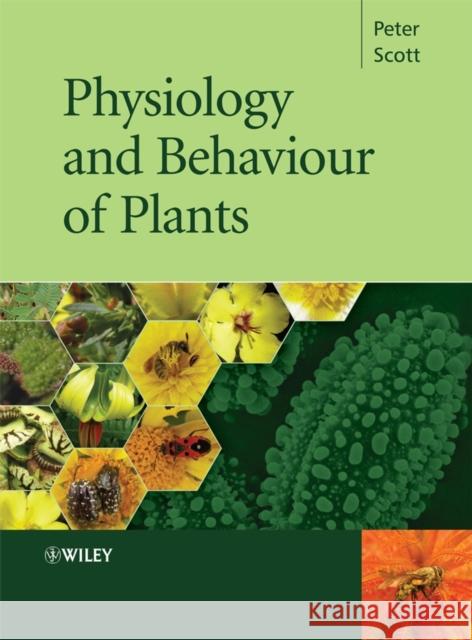
Peter Scott
Physiology and Behaviour of Plants Peter Scott 9780470850251 Wiley-Interscience - książkaWidoczna okładka, to zdjęcie poglądowe, a rzeczywista szata graficzna może różnić się od prezentowanej.

Physiology and Behaviour of Plants

ISBN-13: 9780470850251 / Angielski / Miękka / 2008 / 320 str.

Peter Scott
cena 297,55 zł
(netto: 283,38 VAT:  5%)

Najniższa cena z 30 dni: 294,50 zł
Termin realizacji zamówienia:
ok. 30 dni roboczych
Bez gwarancji dostawy przed świętami

Darmowa dostawa!
inne wydania

Physiology and Behaviour of Plants looks at plants and how they sense and respond to their environment. It takes the traditional plant physiology book into a new dimension by demonstrating how the biochemical observations underlie the behaviour of the plant. In many ways the book parallels courses studied at university on animal physiology and behaviour. The plant has to meet the same challenges as an animal to survive, but overcomes these challenges in very different ways. Students learn to think of plants not only as dynamic organisms, but aggressive, territorial organisms capable of long-range communication. Hallmark features include:

  • Based on a successful course that the author has run for several years at Sussex University, UK
  • Relates plant biochemistry to plant function
  • Printed in four colour throughout
  • Includes a wealth of illustrations and photographs that engages the reader's attention and reinforce key concepts explored within the text
  • Presents material in a modern 'topic' based approach, with many relevant and exciting examples to inspire the student
  • An accompanying web site will include teaching supplements
This innovative textbook is the ultimate resource for all students in biology, horticulture, forestry and agriculture. Companion website for this title is available at www.wiley.com/go/scott/plants

Kategorie:
Nauka, Biologia i przyroda
Kategorie BISAC:
Science > Botanika
Science > Life Sciences - Anatomy & Physiology
Wydawca:
Wiley-Interscience
Język:
Angielski
ISBN-13:
9780470850251
Rok wydania:
2008
Ilość stron:
320
Waga:
0.95 kg
Wymiary:
25.76 x 19.74 x 1.88
Oprawa:
Miękka
Wolumenów:
01
Dodatkowe informacje:
Bibliografia
Wydanie ilustrowane

"This book, with Scott′s enthusiasm and clear writing style, offers a refreshing approach to introductory plant biology. Recommended." ( CHOICE, March 2009)

Author Peter Scott′s approach is to present basic concepts of plant physiology and development in an enthusiastic and engaging manner. Hence, he tries to use his passion for his subject to be an effective teacher, and his enthusiasm is evident throughout the book. One of the clear strengths of this book are the high quality color diagrams. I enjoyed reading and came away with good ideas for new approaches to teaching topics in plant biology. The book could be useful in a number of courses in botany and plant biology at the freshman and sophomore level. (Plant Science Bulletin, Winter 2008)

Chapter 1 Introducing Plants

Introduction

The beginning: the evolution of plants and the major divisions

Conquering the land

The evolution of lignin

Plants and mass extinction

Floristic kingdoms, Biogeography and Biomes

What makes a plant?

Structure of the whole plant

Structure of the plant cell

The chloroplast

The vacuole

Microbodies

The cell wall

Plasmodesmata

References

Figure Legends

Chapter 2 Photosynthesis the ultimate in autotrophy

Introduction

Light harvesting

Leaf form

Chlorophyll and the chloroplast

Converting light energy into chemical energy

The Calvin cycle

Photorespiration

Carbohydrate synthesis and storage

The fate of carbon fixed during photosynthesis

The efficiency of photosynthesis

References

Figure Legends

Chapter 3 Nonphotosynthetic metabolism

Introduction

Phloem transport

Structure of the phloem

Coping with damage to the phloem

The sink tissues

Sink regulation of photosynthesis

References

Figure Legends

Chapter 4 Roots and the uptake of water

Introduction

Types of root

Functions of roots

Structure of roots

Osmosis

Loading and movement in the xylem

Stomata

References

Figure legends

Chapter 5 Mineral nutrition of plants

Introduction

Soil structure and mineral ions

General ion uptake

Phosphorus uptake and assimilation

Nitrogen uptake and assimilation

Iron uptake and assimilation

Sulphur uptake and assimilation

Function and effects of deficiencies of mineral ions on plants

Major elements

Minor elements

References

Figure legends

Chapter 6 Mycorrhizal Associations and Saprophytic Nutrition

Introduction

Mycorrhizal associations

Vesicular arbuscular mycorrhizal associations

Orchidaceous mycorrhizal associations

Ectomycorrhiza

Ericaceous mycorrhiza

Ectendomycorrhiza

Development of the mycorrhizal association

The role of the mycorrhizal association

Saprophytic nutrition

References

Figure Legends

Chapter 7 Parasitic plants

Introduction

Establishing a parasitic relationship

Facultative parasitic plants

Obligate parasitic plants, hemi–parasites

Obligate parasitic plants, holo–parasites

Parasitic species other than the dicotyledons

References

Tables

Figure Legends

Chapter 8 Carnivorous Plants

Introduction

Carnivory: the search for a definition

Why have some plants turned to carnivory?

Bladderworts (genus Utricularia)

Sundews (genus Drosera)

References

Background general reading

Figure Legends

Chapter 9 Asexual and Sexual Reproduction

Introduction

Asexual Reproduction

Roots

Stems

Leaves

Apomixis

Sexual Reproduction

Wind based pollination

Insect based pollination

Pollination

Mechanisms for improving cross fertilisation

Self incompatibility mechanisms

Trifolium repens

Apple (Malus)

Papaver rhoeas

Petunia hybrida

Petunia inflata

Seed development

References

Figure Legends

Chapter 10 Plant growth

Introduction

Types of growth

Cell division and the cell cycle

Polyploidy in plants

Seed formation and germination

The dividing meristem

Flower development

Vascular cambium and secondary growth

Intercalary meristem

Cell death

Plant growth regulators and cell growth

References

Figure Legends

Chapter 11 Plant Movement

Introduction

Tropism and nastic movements

Tropic movements

Nastic movements

Circumnutation

References

Figure Legends

Chapter 12 Plants and stress

Introduction

Adaptations to drought stress

Crassulacean acid metabolism

C4 photosynthesis

Resurrection plants

Salt stress

Flooding stress and anoxia

Cold stress

Adaptations to heat stress

References

Chapter 13 Plant senses and perceiving the world

Introduction

Sensing light (sight)

Protochlorophyllide

Phytochromes

Cryptochrome

Sensing time

Circadian clock

Photoperiodism

Sensing touch (feeling)

Sensing chemicals (taste)

Communicating (smell)

Sensing sounds (hearing)

References

Table 1. Ratios of red to far–red light in different environments. The data is based on that reported by Hopkins (1999)

Figure Legends.

Chapter 14 Seed dispersal, dormancy and germination

Introduction

Seed dispersal

Gravity–mediated dispersal

Wind–mediated dispersal

Water–mediated dispersal

Animal–mediated dispersal

Importance of post–dispersal mechanisms

Dormancy and germination

Recalcitrant seeds

Dormant seeds

Factors governing dormancy and germination

Presence of germination inhibitors

Presence of inhibitory tissues

Presence of germination promoters

References

Figure Legends

Chapter 15 Interactions with the Animal Kingdom

Introduction

Animal mediated pollination

Mimicry in plants

Batesian mimicry

Müllerian mimicry

Aggressive mimicry

Seed dispersal and food reserves: the role of humans

References

Figure Legends

Chapter 16 Plant defences

Introduction

Physical defence structures

The cuticle

The cell wall

The cell wall as a passive barrier

The cell wall as an active barrier

Poisons by injection or touch

Chemical defences

Terpenes

Nitrogen–containing organic compounds

Cyanogenic glycosides

Glycosinolates

Lectins

Alkaloids

Defence reactions and signal pathways

Jasmonic acid

Salicylic acid

Systemin.

Phytoalexins

Allelopathy

Recognising self

Mimicry and the enrolment of other organisms for protection

References

Figure Legends

Chapter 17 Plants and Medicines

Introduction

Doctrine of signatures

Viper s bugloss (Echium vulgare)

Ethnobotany

The origins of aspirin

The origins of antimalarial drugs

St John s Wort (Hypericum spp.)

Natural alternatives to Viagra

Natural treatments for AIDS

A cure for certain cancers

Sustainable development of medicines from plants

References

Figure legends

Chapter 18 Plant Tissue Culture and the Rise of Plant Biotechnology

Introduction

The development of plant tissue culture media

Components of the medium

Major elements

Minor elements

Carbohydrates

Vitamins

Plant growth regulators

Tissue culture sterility

Types of plant tissue culture

Applications of plant tissue culture

References

Figure legends.

Chapter 19 Remarkable Plants

Introduction

Insect mimicry in the Orchidaceae

The Venus Flytrap

The oldest and biggest plants in the world

Tallest plants

Cycads

Welwitschia mirabilis and Ephedra viridis

The Castor bean plant

Garlic

Theobroma cacao

Wheat and agriculture

References

Figure legends.

Indexp

Having first been excited by the complexity and beauty of the plant kingdom as a student in Cambridge, Peter Scott is now Senior Lecturer in Plant Biology at the University of Sussex, where his research interests include orchids, resurrection plants and helping students to understand the wonder of the natural world around them.

From the bizarre, sticky fly paper tactics of carnivorous plants, to the amazing capabilities of resurrection plants and the beautiful bee orchid that uses mimicry to attract pollinators, Peer Scot′s engaging textbook celebrates plants in all their glory and provides a thought–provoking introduction to how they sense and respond to their environment.

Plants have to meet the same challenges as animals in order to survive, but have evolved to overcome these challenges in very different ways. this exciting new textbook will help firs and second year biological science students get to grips with the biochemistry that underlies the behaviour of plants and appreciate them as dynamic, territorial and sometime aggressive organisms, capable of long–range communication.

Features:

  • a fresh, innovative introduction to plant biology
  • a wealth of examples, specifically chosen to capture and engage the reader′s interest, including topics such as plant defences, interactions with the animal kingdom, plants and medicines and carnivorous plants
  • stunning colour illustrations and photographs designed to captivate the reader and reinforce key concepts explored within the text
  • an exploration of molecular mechanisms underlying plant physiology and behaviour from a whole plant perspective

Scott, Peter Peter Scott taught cognitive psychology at the Uni... więcej >


Udostępnij

Facebook - konto krainaksiazek.pl


Opinie o Krainaksiazek.pl na Opineo.pl

Partner Mybenefit

Krainaksiazek.pl w programie rzetelna firma Krainaksiaze.pl - płatności przez paypal

Czytaj nas na:

Facebook - krainaksiazek.pl
  • książki na zamówienie
  • granty
  • książka na prezent
  • kontakt
  • pomoc
  • opinie
  • regulamin
  • polityka prywatności

Zobacz:

  • Księgarnia czeska

  • Wydawnictwo Książkowe Klimaty

1997-2025 DolnySlask.com Agencja Internetowa

© 1997-2022 krainaksiazek.pl
     
KONTAKT | REGULAMIN | POLITYKA PRYWATNOŚCI | USTAWIENIA PRYWATNOŚCI
Zobacz: Księgarnia Czeska | Wydawnictwo Książkowe Klimaty | Mapa strony | Lista autorów
KrainaKsiazek.PL - Księgarnia Internetowa

Polityka prywatnosci - link
Krainaksiazek.pl - płatnośc Przelewy24
Przechowalnia Przechowalnia






