• Wyszukiwanie zaawansowane
  • Kategorie
  • Kategorie BISAC
  • Książki na zamówienie
  • Promocje
  • Granty
  • Książka na prezent
  • Opinie
  • Pomoc
  • Załóż konto
  • Zaloguj się

Philosophy of the Performing Arts » książka


zaloguj się | załóż konto
Logo Krainaksiazek.pl

koszyk

konto

szukaj
topmenu
Księgarnia internetowa
Szukaj
Książki na zamówienie
Promocje
Granty
Książka na prezent
Moje konto
Pomoc
 
 
Wyszukiwanie zaawansowane
Pusty koszyk
Bezpłatna dostawa dla zamówień powyżej 20 złBezpłatna dostawa dla zamówień powyżej 20 zł

Kategorie główne

• Nauka
 [2949965]
• Literatura piękna
 [1857847]

  więcej...
• Turystyka
 [70818]
• Informatyka
 [151303]
• Komiksy
 [35733]
• Encyklopedie
 [23180]
• Dziecięca
 [617748]
• Hobby
 [139972]
• AudioBooki
 [1650]
• Literatura faktu
 [228361]
• Muzyka CD
 [398]
• Słowniki
 [2862]
• Inne
 [444732]
• Kalendarze
 [1620]
• Podręczniki
 [167233]
• Poradniki
 [482388]
• Religia
 [509867]
• Czasopisma
 [533]
• Sport
 [61361]
• Sztuka
 [243125]
• CD, DVD, Video
 [3451]
• Technologie
 [219309]
• Zdrowie
 [101347]
• Książkowe Klimaty
 [123]
• Zabawki
 [2362]
• Puzzle, gry
 [3791]
• Literatura w języku ukraińskim
 [253]
• Art. papiernicze i szkolne
 [7933]
Kategorie szczegółowe BISAC

Philosophy of the Performing Arts

ISBN-13: 9781405188036 / Angielski / Miękka / 2011 / 248 str.
David Davies;¬Abar;¬Abar
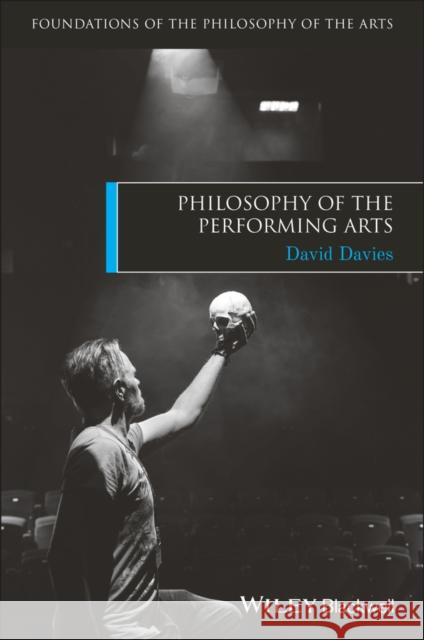
Philosophy of the Performing Arts David Davies   9781405188036  - książkaWidoczna okładka, to zdjęcie poglądowe, a rzeczywista szata graficzna może różnić się od prezentowanej.

Philosophy of the Performing Arts

ISBN-13: 9781405188036 / Angielski / Miękka / 2011 / 248 str.

David Davies;¬Abar;¬Abar
cena 153,47
(netto: 146,16 VAT:  5%)

Najniższa cena z 30 dni: 152,21
Termin realizacji zamówienia:
ok. 30 dni roboczych
Bez gwarancji dostawy przed świętami

Darmowa dostawa!
inne wydania

This book provides an accessible yet sophisticated introduction to the significant philosophical issues concerning the performing arts.

  • Presents the significant philosophical issues concerning the performing arts in an accessible style, assuming no prior knowledge
  • Provides a critical overview and a comprehensive framework for thinking about the performing arts
  • Examines the assumption that classical music provides the best model for thinking about artistic performance across the performing arts
  • Explores ways in which the 'classical paradigm' might be extended to other musical genres, to theatre, and to dance
  • Applies the thinking on performing arts to the issue of 'performance art'

Philosophical inquiry on the performing arts has tended to focus on music; specifically classical music, which is assumed to provide a model for approaching the performing arts as a whole. This book engages with this belief and explores the ways in which the ‘classical paradigm’ might be extended to other musical genres, to theatre, and to dance.Taking in the key components of artistic performance – improvisation, rehearsal, the role of the audience, the embodied nature of the artistic performer – the book examines the similarities and differences between the performing art forms and presents the key philosophical issues that they bring into play. These reflections are then applied to the traditionally difficult issue of contemporary artworks usually classified as ‘performance art’.Assuming no prior knowledge of the subject matter, this book provides an accessible, yet sophisticated, introduction to the field and a comprehensive framework for thinking about the performing arts.


Kategorie:
Sztuka
Kategorie BISAC:
Sports & Recreation > General
Performing Arts > General
Seria wydawnicza:
Foundations of the Philosophy of the Arts
Język:
Angielski
ISBN-13:
9781405188036
Rok wydania:
2011
Numer serii:
000417710
Ilość stron:
248
Waga:
0.36 kg
Wymiary:
22.61 x 15.24 x 1.52
Oprawa:
Miękka
Wolumenów:
01
Dodatkowe informacje:
Bibliografia

This is a remarkable and remarkably useful book, and for much the same reason The other result is that professionals in the philosophy of art will have to rise to the challenge. Davies has set the bar very high.   (Oxford Journals Clippings, 4 May 2012)

"Philosophy of the Performing Arts is a careful and detailed study in analytic philosophical aesthetics ... Summing Up: Highly recommended. Graduate students through professional/practitioners." (Choice, 1 January 2012)

Part I: Performance and the Classical Paradigm.

Chapter 1 The Nature of Artistic Performance.

I Introduction.

II What is a performance?

III Institutional theories of artistic performance.

IV Aesthetic theories of artistic performance.

V Artistic performance and artistic regard .

VI Overview.

Chapter 2 The Classical Paradigm I: The Nature of the Performable Work.

I Introduction: Berthold and Magda go to the symphony.

II The multiple nature of performable works.

III Performable works as types .

IV Varieties of type theories: sonicism, instrumentalism, and contextualism.

V Other theories of the performable work.

a/ Performable works as indicated types.

b/ Performable works as continuants .

c/ Performable works as indicatings of types.

d/ Fictionalism about performable works.

Chapter 3 The Classical Paradigm II: Appreciating Performable Works in Performance.

I Introduction: talking appreciatively about performable works.

II Can performable works share artistic properties with their performances?

III The Goodman argument .

IV Answering the Goodman argument .

Chapter 4 Authenticity in Musical Performance.

I Introduction.

II Authenticity in the arts.

III Three notions of historically authentic performance.

a/ Authenticity defined in terms of composer s intentions.

b/ Authenticity defined in terms of the sound of the work.

c/ Authenticity defined in terms of performance practice.

Chapter 5 Challenges to the Classical Paradigm in Music.

I Introduction: The classical paradigm in the performing arts.

II The scope of the paradigm in classical music.

III Jazz, rock, and the classical paradigm.

a/ Jazz.

b/ Rock.

IV Non–Western music and the classical paradigm.

Chapter 6 The Scope of the Classical Paradigm: Theatre, Dance, and Literature.

I Introduction: Berthold and Magda go to the theatre.

II Theatrical performances and performable works.

III Challenges to the classical paradigm in theatre.

IV Dance and the classical paradigm.

V The novel as performable work?

Part II: Performance as Art .

Chapter 7 Performances as Artworks.

I Introduction: spontaneous performance in the arts.

II The artistic status of performances outside the classical paradigm.

III The artistic status of performances within the classical paradigm.

Chapter 8 Elements of Performance I: Improvisation and Rehearsal.

I Introduction.

II The nature of improvisation.

III Improvisation and performable works: three models.

a/ Improvisation on a theme.

b/ Improvisational composition.

c/ Pure improvisation.

IV Improvisation and recording.

V The place of rehearsal in the performing arts.

Chapter 9 Elements of Performance II: Audience and Embodiment.

I Can there be artistic performance without an audience?

II Audience response.

III The embodied performer and the mirroring receiver.

Chapter 10 Performance Art and the Performing Arts.

I Introduction.

II Some puzzling cases.

III What is performance art ?

IV When do works of performance art involve artistic performances?

V Performance as art: a final case.

Bibliography.

Index .

David Davies is Associate Professor of Philosophy at McGill University. He is the author of Art as Performance (Blackwell, 2004), Aesthetics and Literature (2007), and the editor of The Thin Red Line (2008). He has published widely in the philosophy of art on topics relating to the nature of art, artistic value, literature, film, music, theatre, and the visual arts.

Philosophical inquiry on the performing arts has tended to focus on music; specifically classical music, which is assumed to provide a model for approaching the performing arts as a whole. This book engages with this belief and explores the ways in which the classical paradigm might be extended to other musical genres, to theatre, and to dance.

Taking in the key components of artistic performance – improvisation, rehearsal, the role of the audience, the embodied nature of the artistic performer the book examines the similarities and differences between the performing art forms and presents the key philosophical issues that they bring into play. These reflections are then applied to the traditionally difficult issue of contemporary artworks usually classified as performance art .

Assuming no prior knowledge of the subject matter, this book provides an accessible, yet sophisticated, introduction to the field and a comprehensive framework for thinking about the performing arts.




Udostępnij

Facebook - konto krainaksiazek.pl


Opinie o Krainaksiazek.pl na Opineo.pl

Partner Mybenefit

Krainaksiazek.pl w programie rzetelna firma Krainaksiaze.pl - płatności przez paypal

Czytaj nas na:

Facebook - krainaksiazek.pl
  • książki na zamówienie
  • granty
  • książka na prezent
  • kontakt
  • pomoc
  • opinie
  • regulamin
  • polityka prywatności

Zobacz:

  • Księgarnia czeska

  • Wydawnictwo Książkowe Klimaty

1997-2025 DolnySlask.com Agencja Internetowa

© 1997-2022 krainaksiazek.pl
     
KONTAKT | REGULAMIN | POLITYKA PRYWATNOŚCI | USTAWIENIA PRYWATNOŚCI
Zobacz: Księgarnia Czeska | Wydawnictwo Książkowe Klimaty | Mapa strony | Lista autorów
KrainaKsiazek.PL - Księgarnia Internetowa

Polityka prywatnosci - link
Krainaksiazek.pl - płatnośc Przelewy24
Przechowalnia Przechowalnia



