• Wyszukiwanie zaawansowane
  • Kategorie
  • Kategorie BISAC
  • Książki na zamówienie
  • Promocje
  • Granty
  • Książka na prezent
  • Opinie
  • Pomoc
  • Załóż konto
  • Zaloguj się

Philology and the Appropriation of the World: Champollion’s Hieroglyphs » książka


zaloguj się | załóż konto
Logo Krainaksiazek.pl

koszyk

konto

szukaj
topmenu
Księgarnia internetowa
Szukaj
Książki na zamówienie
Promocje
Granty
Książka na prezent
Moje konto
Pomoc
 
 
Wyszukiwanie zaawansowane
Pusty koszyk
Bezpłatna dostawa dla zamówień powyżej 20 złBezpłatna dostawa dla zamówień powyżej 20 zł

Kategorie główne

• Nauka
 [2946912]
• Literatura piękna
 [1852311]

  więcej...
• Turystyka
 [71421]
• Informatyka
 [150889]
• Komiksy
 [35717]
• Encyklopedie
 [23177]
• Dziecięca
 [617324]
• Hobby
 [138808]
• AudioBooki
 [1671]
• Literatura faktu
 [228371]
• Muzyka CD
 [400]
• Słowniki
 [2841]
• Inne
 [445428]
• Kalendarze
 [1545]
• Podręczniki
 [166819]
• Poradniki
 [480180]
• Religia
 [510412]
• Czasopisma
 [525]
• Sport
 [61271]
• Sztuka
 [242929]
• CD, DVD, Video
 [3371]
• Technologie
 [219258]
• Zdrowie
 [100961]
• Książkowe Klimaty
 [124]
• Zabawki
 [2341]
• Puzzle, gry
 [3766]
• Literatura w języku ukraińskim
 [255]
• Art. papiernicze i szkolne
 [7810]
Kategorie szczegółowe BISAC

Philology and the Appropriation of the World: Champollion’s Hieroglyphs

ISBN-13: 9783031128936 / Angielski / Twarda / 2023 / 189 str.
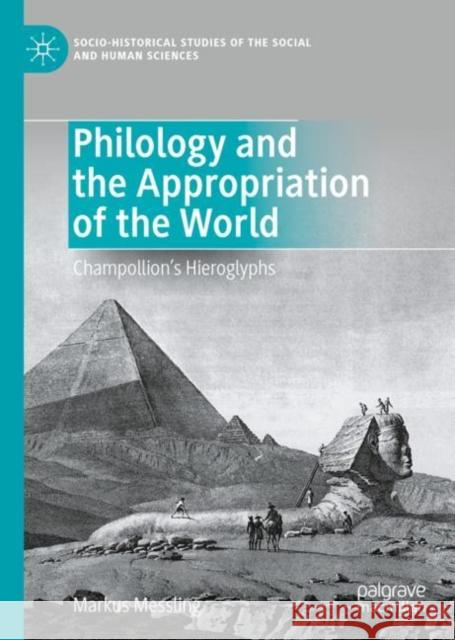
Markus Messling
Philology and the Appropriation of the World: Champollion’s Hieroglyphs Markus Messling 9783031128936 Palgrave MacMillan - książkaWidoczna okładka, to zdjęcie poglądowe, a rzeczywista szata graficzna może różnić się od prezentowanej.

Philology and the Appropriation of the World: Champollion’s Hieroglyphs

ISBN-13: 9783031128936 / Angielski / Twarda / 2023 / 189 str.

Markus Messling
cena 484,18
(netto: 461,12 VAT:  5%)

Najniższa cena z 30 dni: 462,63
Termin realizacji zamówienia:
ok. 22 dni roboczych
Bez gwarancji dostawy przed świętami

Darmowa dostawa!
inne wydania

This book sheds new light on the work of Jean-François Champollion by uncovering a constellation of epistemological, political, and material conditions that made his decipherment of Egyptian hieroglyphs possible. Champollion’s success in understanding hieroglyphs, first published in his Lettre à M. Dacier in 1822, is emblematic for the triumphant achievements of comparative philology during the 19th Century. In its attempt to understand humanity as part of a grand history of progress, Champollion’s conception of ancient Egypt belongs to the universalistic aspirations of European modernity. Yet precisely because of its success, his project also reveals the costs it entailed: after examining and welcoming acquisitions for the emerging Egyptian collections in Europe, Champollion travelled to the Nile Valley in 1828/29, where he was shocked by the damage that had been done to its ancient cultural sites. The letter he wrote to the Egyptian viceroy Mehmet Ali Pasha in 1829 demands that excavations in Egypt be regulated, denounces European looting, and represents perhaps the first document to make a case for the international protection of cultural goods in the name of humanity.


This book sheds new light on the work of Jean-François Champollion by uncovering a constellation of epistemological, political, and material conditions that made his decipherment of Egyptian hieroglyphs possible. Champollion’s success in understanding hieroglyphs, first published in his Lettre à M. Dacier in 1822, is emblematic for the triumphant achievements of comparative philology during the 19th Century. In its attempt to understand humanity as part of a grand history of progress, Champollion’s conception of ancient Egypt belongs to the universalistic aspirations of European modernity. Yet precisely because of its success, his project also reveals the costs it entailed: after examining and welcoming acquisitions for the emerging Egyptian collections in Europe, Champollion travelled to the Nile Valley in 1828/29, where he was shocked by the damage that had been done to its ancient cultural sites. The letter he wrote to the Egyptian viceroy Mehmet Ali Pasha in 1829 demands that excavations in Egypt be regulated, denounces European looting, and represents perhaps the first document to make a case for the international protection of cultural goods in the name of humanity.

Kategorie:
Podręczniki
Kategorie BISAC:
Education > Philosophy, Theory & Social Aspects
Literary Criticism > Middle Eastern
History > General
Wydawca:
Palgrave MacMillan
Seria wydawnicza:
Socio-Historical Studies of the Social and Human Sciences
Język:
Angielski
ISBN-13:
9783031128936
Rok wydania:
2023
Dostępne języki:
Numer serii:
000826977
Ilość stron:
189
Oprawa:
Twarda
Dodatkowe informacje:
Wydanie ilustrowane

1. Other Narratives of a Grand History.- 2. Philology and Nationalism.- 3. Knowledge and Method: The Parisian Legacy.- 4. Civilisational Genealogies: Where Does Europe Come from?.- 5. Scientific Recognition: Showdown in Rome.- 6. History of Materials: Predatory Exploitation on the Nile and the Idea of Protecting Cultural Goods.- 7. Note to the Attention of the Viceroy for the Conservation of the Monuments of Egypt.

Markus Messling is full professor of Romance Literature and Comparative Literary and Cultural Studies at Saarland University, Germany. He has published on French and Francophone literature and cultural philosophy (18th–21st century), the epistemology and history of philology, historical anthropology and the problem of universalism.    


This book sheds new light on the work of Jean-François Champollion by uncovering a constellation of epistemological, political, and material conditions that made his decipherment of Egyptian hieroglyphs possible. Champollion’s success in understanding hieroglyphs, first published in his Lettre à M. Dacier in 1822, is emblematic of the triumphant achievements of comparative philology during the 19th Century. Yet, precisely because of its success, his project also reveals the costs it entailed: after examining and welcoming acquisitions for the emerging Egyptian collections in Europe, Champollion travelled to the Nile Valley in 1828/29, where he was shocked by the damage that had been done to its ancient cultural sites. The letter he wrote to the Egyptian viceroy Mehmet Ali Pasha in 1829 demands that excavations in Egypt be regulated, denounces European looting, and represents perhaps the first document to make a case for the international protection of cultural goods in the name of humanity.




Udostępnij

Facebook - konto krainaksiazek.pl


Opinie o Krainaksiazek.pl na Opineo.pl

Partner Mybenefit

Krainaksiazek.pl w programie rzetelna firma Krainaksiaze.pl - płatności przez paypal

Czytaj nas na:

Facebook - krainaksiazek.pl
  • książki na zamówienie
  • granty
  • książka na prezent
  • kontakt
  • pomoc
  • opinie
  • regulamin
  • polityka prywatności

Zobacz:

  • Księgarnia czeska

  • Wydawnictwo Książkowe Klimaty

1997-2025 DolnySlask.com Agencja Internetowa

© 1997-2022 krainaksiazek.pl
     
KONTAKT | REGULAMIN | POLITYKA PRYWATNOŚCI | USTAWIENIA PRYWATNOŚCI
Zobacz: Księgarnia Czeska | Wydawnictwo Książkowe Klimaty | Mapa strony | Lista autorów
KrainaKsiazek.PL - Księgarnia Internetowa

Polityka prywatnosci - link
Krainaksiazek.pl - płatnośc Przelewy24
Przechowalnia Przechowalnia




