• Wyszukiwanie zaawansowane
  • Kategorie
  • Kategorie BISAC
  • Książki na zamówienie
  • Promocje
  • Granty
  • Książka na prezent
  • Opinie
  • Pomoc
  • Załóż konto
  • Zaloguj się

Pathogenesis of Functional Bowel Disease » książka


zaloguj się | załóż konto
Logo Krainaksiazek.pl

koszyk

konto

szukaj
topmenu
Księgarnia internetowa
Szukaj
Książki na zamówienie
Promocje
Granty
Książka na prezent
Moje konto
Pomoc
 
 
Wyszukiwanie zaawansowane
Pusty koszyk
Bezpłatna dostawa dla zamówień powyżej 20 złBezpłatna dostawa dla zamówień powyżej 20 zł

Kategorie główne

• Nauka
 [2946912]
• Literatura piękna
 [1852311]

  więcej...
• Turystyka
 [71421]
• Informatyka
 [150889]
• Komiksy
 [35717]
• Encyklopedie
 [23177]
• Dziecięca
 [617324]
• Hobby
 [138808]
• AudioBooki
 [1671]
• Literatura faktu
 [228371]
• Muzyka CD
 [400]
• Słowniki
 [2841]
• Inne
 [445428]
• Kalendarze
 [1545]
• Podręczniki
 [166819]
• Poradniki
 [480180]
• Religia
 [510412]
• Czasopisma
 [525]
• Sport
 [61271]
• Sztuka
 [242929]
• CD, DVD, Video
 [3371]
• Technologie
 [219258]
• Zdrowie
 [100961]
• Książkowe Klimaty
 [124]
• Zabawki
 [2341]
• Puzzle, gry
 [3766]
• Literatura w języku ukraińskim
 [255]
• Art. papiernicze i szkolne
 [7810]
Kategorie szczegółowe BISAC

Pathogenesis of Functional Bowel Disease

ISBN-13: 9781468456967 / Angielski / Miękka / 2012 / 388 str.
William J. Snape Jr
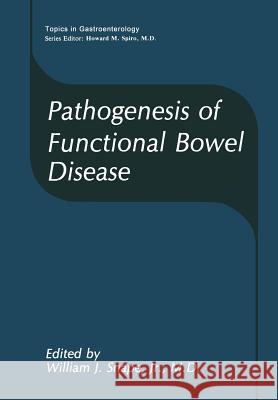
Pathogenesis of Functional Bowel Disease William J. Snap 9781468456967 Springer - książkaWidoczna okładka, to zdjęcie poglądowe, a rzeczywista szata graficzna może różnić się od prezentowanej.

Pathogenesis of Functional Bowel Disease

ISBN-13: 9781468456967 / Angielski / Miękka / 2012 / 388 str.

William J. Snape Jr
cena 201,24
(netto: 191,66 VAT:  5%)

Najniższa cena z 30 dni: 192,74
Termin realizacji zamówienia:
ok. 22 dni roboczych
Bez gwarancji dostawy przed świętami

Darmowa dostawa!

In their second year in medical school, students begin to learn about the differences between disease and illness. In their studies of pathology they learn to understand disease as pertubations of molecular biological events. And we clinicians can show disease to them by our scans, lay it out even on our genetic scrolls, and sometimes even point out the errant nucleotide. Disease satisfies them and us; at Yale, lectures on the gastrointestinal tract run from achalasia to proctitis. There is, alas, little mention of functional bowel disease or of the irritable or spastic colon, for that is not easy to show on hard copy. Functional bowel disease represents illness, the response of the person to distress, to food, to the environment, and to the existential problems of living. In real life such matters are most important. Richard Cabot first found out at the Massachusetts General Hospital almost a century ago that 50% of the patients attending the outpatient clinic had functional complaints. The figure had grown to over 80% when the very same question was reexamined 60 years later.


Kategorie:
Nauka, Medycyna
Kategorie BISAC:
Medical > Gastroenterologia
Medical > Internal Medicine
Medical > Family & General Practice
Wydawca:
Springer
Seria wydawnicza:
Topics in Gastroenterology
Język:
Angielski
ISBN-13:
9781468456967
Rok wydania:
2012
Wydanie:
Softcover Repri
Numer serii:
000103476
Ilość stron:
388
Waga:
0.68 kg
Wymiary:
24.4 x 17.0
Oprawa:
Miękka
Wolumenów:
01
Dodatkowe informacje:
Wydanie ilustrowane

1. Historical Perspectives of Functional Bowel Disease.- 1. Evolution of Clinical Concepts.- 2. Life Events, Emotions, and Functional Disorders.- 2.1. Critique.- 2.2. Alternative Models of a Mind—Body Interaction.- 2.3. Widening Concepts of Mind—Body Interaction.- 3. Conclusion.- References.- 2. Role of Neural Control in Gastrointestinal Motility and Visceral Pain..- 1. Introduction.- 2. Role of the Autonomic Nervous System in GI Motility and Visceral Sensation.- 2.1. Enteric Nervous System.- 2.2. Visceral Afferent Mechanisms.- 2.3. Autonomic Efferent Innervation.- 2.4. Pain-Modulating Mechanisms.- 3. Evidence for Alteration in Pain Perception (Visceral and Somatic) and Colonic Motility in IBS.- 3.1. Colonic Motility.- 3.2. Visceral Sensation.- 3.3. General Pain Perception.- 4. Proposed Model for Alterations in Visceral Sensation and GI Motility in IBS.- References.- 3. Effects of Psychological Factors on Gastrointestinal Function.- 1. Introduction.- 1.1. Psychiatric Diagnoses.- 1.2. Psychometric Testing.- 1.3. Self-Selection Hypothesis.- 2. Direct Effects of Psychological Stress on Gastrointestinal Physiology.- 2.1. Esophageal Motility.- 2.2. Gastric Motility.- 2.3. Small Intestine.- 2.4. Colon.- 3. Indirect Effects of Psychological Stress on Gastrointestinal Physiology.- 4. Effects of Psychological Traits on the Perception and Reporting of Bowel Symptoms.- 5. Social Learning Influences on Gastrointestinal Symptoms and Physiology.- 6. Conclusions and Implications for Treatment.- 6.1. Stress.- 6.2. Effects of Psychological Traits on Perception and Reporting of Gastrointestinal Symptoms.- 6.3. Learned Illness Behavior.- References.- 4. Central Control of Gastrointestinal Transit and Motility by Brain—Gut Peptides.- 1. Introduction.- 2. Central Nervous Structures Influencing Gastrointestinal Motility.- 2.1. Hypothalamus.- 2.2. Medulla Oblongata.- 3. CNS Action of Peptides to Influence Gastrointestinal Motility and Transit.- 3.1. CNS Action of TRH to Stimulate Gastrointestinal Motor Function.- 3.2. CNS Action of Corticotropin-Releasing Factor (CRF) to Alter Gastrointestinal Motor Function.- 3.3. CNS Action of Opioid Peptides to Inhibit Gastrointestinal Motor Function.- 3.4. CNS Action of Bombesin to Inhibit Gastrointestinal Motor Function.- 3.5. CNS Action of Calcitonin to Inhibit Gastrointestinal Motor Function.- 3.6. CNS Action of Calcitonin Gene-Related Peptide (CGRP) on Gastrointestinal Motor Function.- 3.7. CNS Action of Neurotensin to Influence Gastrointestinal Motor Function.- 3.8. CNS Action of Other Peptides to Influence Gastrointestinal Motility.- 4. Summary and Conclusions.- 4.1. Brain Peptides and CNS Modulation of Gastrointestinal Transit.- 4.2. Brain Peptides and Modulation of Gastrointestinal Motility.- 4.3. Conclusions.- References.- 5. Effect of Diet on Intestinal Function and Dysfunction.- 1. Introduction.- 2. Effects of Eating on the Colon.- 3. Carbohydrate.- 3.1. Simple Sugars.- 3.2. Starch.- 4. Dietary Fiber.- 4.1. Definition and Classification.- 4.2. Actions of Wheat Bran and Ispaghula on the Colon.- 4.3. Effects of Bran and Ispaghula on Symptoms of Irritable Bowel.- 5. Other Dietary Factors.- 5.1. Food Allergy and Intolerance.- 5.2. Protein and Fat.- 6. Conclusions.- References.- 6. Disorders of Intestinal Motility Resulting from Drug Therapy.- 1. Introduction.- 2. Cholinergic Agents.- 3. Adrenergic Agents.- 4. Dopaminergic Agents.- 5. Opiates.- 6. Calcium Channel Blockers.- 7. Prostaglandins.- 8. Antibiotics.- 9. Miscellaneous.- 10. Summary.- References.- 7. Functional Diseases of the Esophagus.- 1. Introduction.- 2. Clinical Presentation.- 3. Classification of EMDs.- 3.1. Disorders of the UES.- 3.2. Primary EMDs.- 3.3. Secondary EMDs.- 4. Diagnostic Studies.- 4.1. Radiology.- 4.2. Fiberoptic Endoscopy.- 4.3. Radionuclide Transit Studies.- 4.4. Esophageal Manometry.- 4.5. Provocative Tests.- 4.6. 24-hr Motility Testing.- 5. Approach to the Diagnosis of EMDs.- 6. Psychologic Abnormalities in EMDs.- 7. Medical and Surgical Therapies.- 7.1. Disorders of the UES.- 7.2. Achalasia.- 7.3. Painful EMDs.- 7.4. Secondary EMDs.- 8. Future Perspectives.- References.- 8. Functional Causes of Disturbed Gastric Function.- 1. Normal Physiology.- 1.1. Functional Anatomy.- 1.2. Gastric Electrical and Motor Activity.- 1.3. Gastric Emptying in Relation to Gastric Motility.- 1.4. Regulation of Gastric Motility.- 2. Functional Disorders of Gastric Motility and Emptying.- 2.1. Diabetic Gastroparesis.- 2.2. Collagen Diseases.- 2.3. Primary Anorexia Nervosa.- 2.4. Dyspepsia.- 2.5. Gastric Dysrhythmia.- 3. General Conclusions.- References.- 9. Functional Disorders of the Small Intestine.- 1. Introduction.- 2. Motor Activity of the Small Intestine in Health.- 2.1. Interdigestive Motility.- 2.2. Postprandial Motility.- 2.3. Control Mechanisms.- 3. Absorption and Secretion in the Small Intestine.- 3.1. Water and Electrolyte Transport and Nutrient Absorption.- 3.2. Control Mechanisms.- 4. Function of the Small Intestine in IBS.- 4.1. Definition and Clinical Picture.- 4.2. Motility of the Small Bowel.- 4.3. Altered Absorption and Secretion.- 5. Summary and Interim Speculations.- References.- 10. Mechanisms and Management of Chronic Constipation.- 1. Introduction.- 2. The Diagnosis of Colonic Motor Dysfunction.- 2.1. The Initial Approach to the Patient.- 2.2. The Need for an Objective Definition of Constipation.- 2.3. Subjective Definitions of Constipation.- 2.4. Objective Variables of Colonic Function.- 2.5. A Working Definition of Slowed Transit Constipation.- 3. Mechanisms of Chronic Constipation.- 3.1. Normal Colonic Function.- 3.2. Mechanisms of Defecation.- 3.3. Secondary Causes of Constipation.- 3.4. Patterns of Chronic Constipation.- 3.5. Colonic Outlet Obstruction.- 3.6. Impaired Colonic Transit.- 3.7. Other Factors Contributing to Delayed Colonic Transit.- 4. Complications of Chronic Constipation.- 5. Treatment.- 5.1. Therapeutic Agents and Their Mechanisms of Action.- 5.2. Dietary Fiber.- 5.3. Laxatives and Cathartics.- 5.4. Agents That Promote Neurally Mediated Propulsive Colonic Contractions.- 5.5. The Use of Enemas.- 5.6. Surgery in the Treatment of Chronic Constipation.- References.- 11. Irritable Colon Syndrome.- 1. Epidemiology.- 2. Clinical Symptoms.- 3. Diagnosis.- 3.1. Differential Diagnosis.- 3.2. Diagnostic Studies.- 4. General Pathophysiology.- 4.1. Myogenic.- 4.2. Neural.- 4.3. Humoral.- 4.4. Gastrocolonic Response.- 5. Pathophysiology of Specific Condition.- 5.1. Constipation.- 5.2. Spastic Irritable Colon Syndrome.- 5.3. Painless Diarrhea.- 6. Treatment.- 6.1. Constipation Associated with Increased Motility.- 6.2. Constipation Associated with Decreased Motility.- 6.3. Diarrhea.- 7. Conclusion.- References.- 12. Association between Disturbances in Gastrointestinal Transit and Functional Bowel Disease.- 1. Esophageal Transit.- 2. Gastroduodenal Transit.- 3. Small Bowel Transit.- 4. Colonic Transit.- 5. Stress- and Meal-Related Alterations in GI Transit.- 6. Effects of Treatment on Altered GI Transit.- 7. Summary.- References.- 13. Abdominal Pain and Biliary Tract Dysmotility.- 1. Introduction.- 2. Bile Flow within the Biliary Tract.- 3. Biliary-Type Pain—Referred versus Real.- 4. Biliary Tract Disorders of Functional Nature.- 4.1. Gallbladder.- 4.2. Sphincter of Oddi.- 5. Sphincter of Oddi Manometry.- 6. Clinical Classification of Patients with Suspected Sphincter of Oddi Dysfunction.- 6.1. Biliary Type I.- 6.2. Biliary Type II.- 6.3. Biliary Type III.- 7. Primary Sphincter of Oddi Motor Dysfunction.- References.- 14. Disorders of the Anal Sphincters.- 1. Anatomy.- 2. The Incompetent Sphincter.- 2.1. Maintenance of Continence.- 2.2. Investigation of Patients with Fecal Incontinence.- 2.3. Normal Records.- 2.4. Disturbances in Sphincter Function in Patients with Fecal Incontinence.- 3. The Obstructed Sphincter.- 3.1. Normal Defecation.- 3.2. Causes of Impaired Defecation.- 4. The Irritable Anorectum.- References.- 15. Functional Bowel Disturbances in Childhood.- 1. Infantile Colic.- 1.1. Pathophysiology.- 1.2. Treatment.- 2. Gastroesophageal Reflux.- 2.1. Pathophysiology.- 2.2. Diagnosis.- 2.3. Treatment.- 3. Chronic Nonspecific Diarrhea (Toddler’s Diarrhea).- 3.1. Pathophysiology.- 3.2. Diagnosis.- 3.3. Treatment.- 4. Constipation and Functional Fecal Retention.- 4.1. Physiology of Childhood Constipation and Functional Fecal Retention.- 4.2. Diagnosis.- 4.3. Treatment.- 5. Functional Recurrent Abdominal Pain.- 5.1. Pathophysiology.- 5.2. Diagnosis.- 5.3. Treatment.- 6. Chronic Intestinal Pseudoobstruction.- 6.1. Clinical Disease in Childhood.- 6.2. Pathophysiology.- 6.3. Treatment.- References.- 16. Surgical Approach to Functional Bowel Disease.- 1. Introduction.- 2. Motility Disorders of the Esophagus.- 2.1. Diffuse Esophageal Spasm.- 2.2. Achalasia.- 2.3. Zenker’s Diverticulum.- 2.4. Lower Esophageal (Epiphrenic) Diverticulum.- 3. Motility Disorders of the Stomach.- 3.1. Gastric Dysrhythmias.- 3.2. Postgastrectomy Syndromes.- 4. Biliary Dyskinesia.- 4.1. Pathophysiology and Clinical Presentation.- 4.2. Surgical Management.- 5. Intestinal Pseudoobstruction.- 5.1. Chronic Idiopathic Intestinal Pseudoobstruction.- 5.2. Acute Colonic Pseudoobstruction.- 6. Colonic Dysmotility Syndromes.- 6.1. Colonic Diverticular Disease.- 6.2. Chronic Constipation.- 6.3. Hirschsprung’s Disease.- 7. Summary.- References.


Udostępnij

Facebook - konto krainaksiazek.pl


Opinie o Krainaksiazek.pl na Opineo.pl

Partner Mybenefit

Krainaksiazek.pl w programie rzetelna firma Krainaksiaze.pl - płatności przez paypal

Czytaj nas na:

Facebook - krainaksiazek.pl
  • książki na zamówienie
  • granty
  • książka na prezent
  • kontakt
  • pomoc
  • opinie
  • regulamin
  • polityka prywatności

Zobacz:

  • Księgarnia czeska

  • Wydawnictwo Książkowe Klimaty

1997-2025 DolnySlask.com Agencja Internetowa

© 1997-2022 krainaksiazek.pl
     
KONTAKT | REGULAMIN | POLITYKA PRYWATNOŚCI | USTAWIENIA PRYWATNOŚCI
Zobacz: Księgarnia Czeska | Wydawnictwo Książkowe Klimaty | Mapa strony | Lista autorów
KrainaKsiazek.PL - Księgarnia Internetowa

Polityka prywatnosci - link
Krainaksiazek.pl - płatnośc Przelewy24
Przechowalnia Przechowalnia





